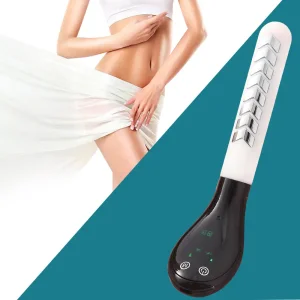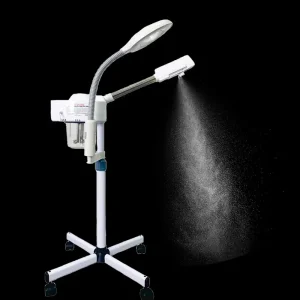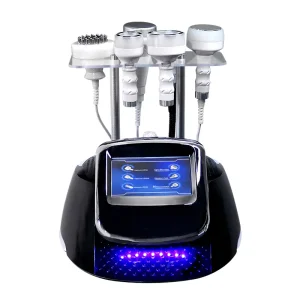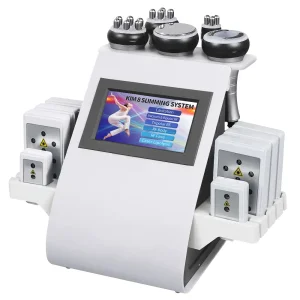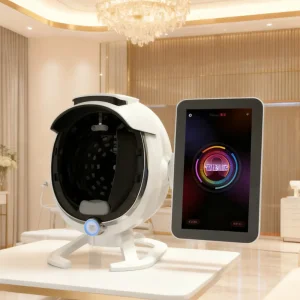
Featured Aesthetic & Wellness Hardware
Direct Factory Innovations Designed for Global Wholesale, Private Label, and Commercial Deployment
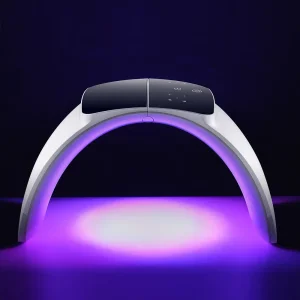
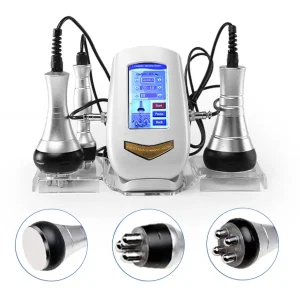
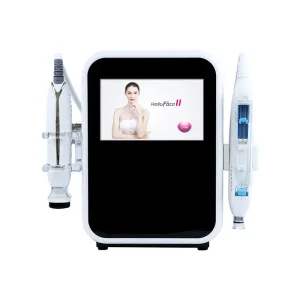
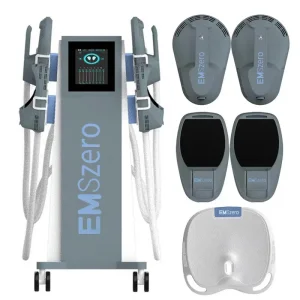
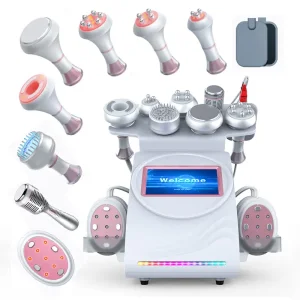
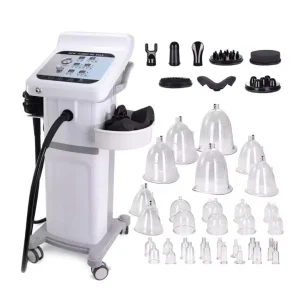
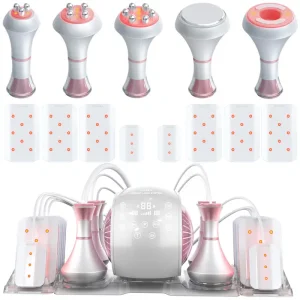
Executive Whitepaper: The Strategic Evolution of Red Light Therapy & OEM Manufacturing Ecosystems
Photobiomodulation (PBM), historically referenced as Low-Level Light Therapy (LLLT), has shifted from a niche clinical therapeutic intervention to an imperative pillar in global wellness, aesthetic medicine, sports rehabilitation, and home-based preventative health. At the forefront of this industrial transformation is the demand for heavy-duty, high-irradiance, biologically calibrated light panels. Global distributors, medical equipment vendors, spa franchises, and digital direct-to-consumer (DTC) brands face a market where consumer literacy around spectral precision, irradiance levels (measured in mW/cm²), and zero-EMF engineering is at an all-time high.
To capture market share in this expanding landscape, sourcing leaders cannot rely on uncalibrated consumer hardware. Navigating the modern phototherapy ecosystem requires partnership with a specialized OEM Red Light Panel Exporter & Factory capable of delivering rigorous engineering standards, custom optical beam angles, dynamic multi-wavelength microcontrollers, and scalable high-yield production capabilities. This report analyzes the technical benchmarks, global regulatory demands, localized application vectors, and industrial supply chain advantages that define state-of-the-art red light therapy panel manufacturing.
1. Optical Physics & Photobiomodulation Science: The Engineering Foundation
Photobiomodulation operates via non-thermal light interaction with cellular chromophores, primarily Cytochrome c Oxidase (CCO) located within the mitochondrial respiratory chain. When tissue absorbs target photon energy in the visible red (620nm–670nm) and near-infrared (810nm–880nm) optical spectrums, nitric oxide (NO) is photodissociated from CCO. This dissociation restores cellular oxygen consumption, accelerates Adenosine Triphosphate (ATP) synthesis, modulates reactive oxygen species (ROS), and triggers downstream signaling cascades responsible for tissue repair, collagen synthesis, and systemic inflammation reduction.
Red Wavelengths (630nm / 660nm)
Optimal absorption for superficial biological structures. Drives fibroblast proliferation, dermal collagen matrix synthesis, superficial acne treatment, and cutaneous vascular remodeling.
Near-Infrared (810nm / 830nm / 850nm)
Deep optical penetration targeting subcutaneous adipose tissues, skeletal muscle groups, joint capsules, periosteum, and neural tissue pathways for structural repair and deep analgesic recovery.
Deep NIR Expansion (940nm / 1064nm)
Next-generation optical engineering focused on deep cerebral and visceral tissue absorption, targeting cellular water dynamics and specialized mitochondrial thermal-gated ion channels.
From an enterprise manufacturing standpoint, ensuring photon delivery efficiency requires optimizing three interconnected electrical and optical parameters: LED Chip Optical Output Power Density, Lens Refractive Physics (Beam Angle Control), and Power Supply Thermal Stability. Cheap consumer panels frequently suffer from thermal decay—where heat buildup reduces LED radiant flux by 30% to 50% within 10 minutes of operation. Professional OEM manufacturing addresses this via custom aluminium heat sinks, dual-ball-bearing whisper quiet fans, and constant-current drivers.
China Industrial Manufacturing & Factory Advantages
How Modern Infrastructure in Shenzhen & Guangdong Drives Unmatched Quality, Technical Innovation, and Cost-to-Performance Margins
Integrated Optoelectronic Ecosystem
Located in the heart of global electronics manufacturing, our facilities tap into immediate component sourcing: high-bin LED chips (Epistar, Bridgelux, Cree), high-transmittance optical lenses, solid-state relays, and aviation-grade aluminum housings within an ultra-short supply radius.
Rigorous Compliance & Testing Protocol
Every batch undergoes automated 100% spectral array testing via integrating spheres, optical power density mapping, high-voltage insulation tests, zero-EMF radiation shielding validation, and 48-hour continuous burn-in environmental stress testing.
Flexible OEM/ODM Customization Matrix
We empower private-label clients to configure specific wavelength ratios, custom dual-chip/triple-chip configurations, modular linkable chassis, smart touchscreen LCD interfaces, wireless app/Bluetooth integrations, and bespoke external branding.
Global Phototherapy Industry Development Trends (2025–2030)
The global phototherapy and light therapy market is experiencing an unprecedented surge, driven by expanding clinical research, non-invasive aesthetic demand, and consumer interest in longevity hardware. To maintain a competitive edge, procurement teams must align product roadmaps with macro technological transitions currently reshaping the market:
1. Multi-Frequency Pulsing & Brain-Body Entrainment
Static continuous wave (CW) phototherapy is increasingly supplemented by pulsed electromagnetic light delivery. Scientific literature confirms that specific pulse frequencies enhance cellular responsiveness while mitigating biological adaptation. Advanced OEM red light panels now integrate customizable microprocessors capable of delivering targeted pulse modes:
- 10 Hz Pulsing: Synchronizes with Alpha brainwaves; optimized for pain relief, deep tissue inflammation reduction, and systemic cellular calm.
- 40 Hz Pulsing: Gamma wave entrainment; specifically targeted at neuro-rehabilitation, cognitive focus, mitochondrial stimulation in neural tissue, and microglial activation.
- 100 Hz–1000 Hz High-Frequency Pulsing: Utilized in athletic performance facilities to accelerate acute soft-tissue recovery and minimize delayed onset muscle soreness (DOMS).
2. Multi-Chip Concentrated Optical Lens Arrays
Legacy panels relied on single-wavelength LEDs dispersed across a flat board, resulting in non-uniform energy distribution and patchy treatment zones. Modern OEM production utilizes custom multi-chip LED architectures (e.g., housing 660nm and 850nm diodes within a single optical cup) coupled with precision 30-degree or 60-degree secondary convex lenses. This ensures that every square centimeter of target tissue receives a perfectly blended spectrum at uniform irradiance.
3. Smart Ecosystem Integration & IoT Touch Panels
Commercial operators and premium D2C brands require intelligent usage tracking, preset clinical protocols, and remote management. Modern red light panel platforms integrate high-definition color touchscreens, remote controls, smart device app pairing, and client tracking databases. This allows wellness centers to track equipment operational hours while offering customized sessions for anti-aging, recovery, or sleep optimization.
Technical Specification & Engineering Benchmark Matrix
Comparative OEM Engineering Standards Across Red Light Panel Classifications
| Performance Parameter | Target / Home Grade | Professional Spa / Salon | Clinical / Enterprise Grade |
|---|---|---|---|
| Target Irradiance (@ 6 in) | 50 - 80 mW/cm² | 100 - 140 mW/cm² | > 180 - 220 mW/cm² |
| Wavelength Channels | 2 (660nm / 850nm) | 4 (630/660/810/850nm) | 5+ (Custom multi-spectrum + 940nm) |
| Beam Lens Optics | 60° Standard Cone | 30° Precision Convex | 30° Dual-Focus Optical Array |
| EMF Shielding | Basic (< 0.1 uT) | Zero EMF (0.00 uT @ 4 in) | Medical-Grade Zero EMF & ELF Shield |
| Pulsing Capabilities | Continuous Wave (CW) | Pre-set 10Hz / 40Hz | 0 - 9999 Hz Fully Programmable PWM |
| Control Systems | Physical Switches | Touchscreen / Wireless Remote | IoT App / Smart Commercial Portal |
| Chassis & Cooling | Standard Aluminum | Aviation Grade + Low-dB Fans | Modular Linkable Modular Alloy Matrix |
Macro Industry Solutions & B2B Deployment Scenarios
Turnkey Photobiomodulation Solutions Engineered for Diverse Commercial Ecosystems
Medical Clinics & Physical Therapy Centers
For orthopedic clinics, chiropractic offices, and sports rehabilitation centers, high-output red light therapy panels serve as non-invasive adjunct solutions for chronic back pain, osteoarthritis, tendinopathy, and post-surgical wound healing. Our OEM clinical panels integrate heavy-duty mobile floor stands with motorized height adjustment, allowing therapists to position high-irradiance light arrays directly over supine or seated patients safely.
Commercial Spas, Salons & MedSpas
Aesthetic clinics leverage full-body red light panels to boost treatment ROI. Positioned alongside microdermabrasion, microneedling, or body contouring procedures, pre- and post-treatment red light sessions soothe skin redness, accelerate epidermal recovery, and stimulate collagen synthesis. Our customizable housing designs and quiet operation elevate client comfort while reinforcing premium brand aesthetics.
Athletic Training Facilities & High-Performance Gyms
Professional athletic organizations and fitness centers install multi-panel full-body arrays to accelerate ATP replenishment, clear lactic acid, and reduce recovery downtime between intense training sessions. Wall-mounted, interlocking modular panels allow gym facilities to create full recovery rooms capable of treating multiple athletes simultaneously.
Enterprise E-Commerce & Direct-to-Consumer Brands
For global hardware brands expanding their home wellness catalog, we offer comprehensive turnkey manufacturing. From customized branded packaging, user manuals, and customized chassis tooling to international safety compliance documentation (FDA, CE, ETL, RoHS), we deliver market-ready inventory directly to global distribution hubs.
Global Enterprise Procurement: Navigating Specifications & Customization
Sourcing photobiomodulation equipment requires a comprehensive understanding of component quality, optical design, and factory quality control. To ensure your brand delivers exceptional product longevity and safety, review our step-by-step procurement matrix:
1. LED Chip Sourcing & Thermal Management Engineering
The heart of any red light panel lies in its light-emitting diodes. Cheap consumer panels often rely on low-grade chips that degrade rapidly under continuous operational heat. Our factory utilizes high-efficiency LED chips rated for 50,000+ hours of continuous operation. We pair these diodes with thick copper PCB substrates and custom-extruded aluminum heat sinks. By maintaining internal junction temperatures below 60°C, we prevent spectral drift and ensure constant radiant power over time.
2. Optical Beam Angle Precision: 30° vs 60° Dynamics
The secondary optical lens determines how light photons disperse upon exiting the diode array:
- 30-Degree Convex Lenses: Focus photon energy into a tight beam, maximizing power density and penetration depth. Recommended for deep tissue targeting, joint therapy, and high-performance recovery panels.
- 60-Degree Standard Lenses: Offer wider, more diffused coverage over larger body surface areas at close proximity. Ideal for superficial skin rejuvenation, facial care, and targeted cosmetic treatments.
3. Zero Electromagnetic Field (EMF) & Low ELF Architecture
Health-conscious consumers and medical practitioners prioritize zero-EMF devices. Standard AC-to-DC internal power converters can project high electromagnetic field interference if unshielded. Our engineering team incorporates grounded aluminum inner shielding, isolated power modules, and twisted-pair wiring harnesses, reducing EMF output to 0.00 uT measured at standard 4-to-6-inch treatment distances.
Frequently Asked Questions (B2B Sourcing Guide)
Expert Clarifications on Manufacturing Protocols, OEM Workflow, and Technical Testing
What specific manufacturing capabilities set your factory apart as an OEM Red Light Panel Exporter?
How do you measure and verify target optical irradiance (mW/cm²)?
Can we customize specific wavelength combinations for custom clinical protocols?
What international certifications do your red light therapy panels hold for export?
What is the Minimum Order Quantity (MOQ) for custom private-label branding?
How do your panels achieve zero-EMF emissions during operation?
What after-sales support, warranty terms, and spare parts policies do you offer?
Complete Aesthetic & Body Contouring Portfolio
Explore More Medical-Grade Equipment Manufactured in Our Facility