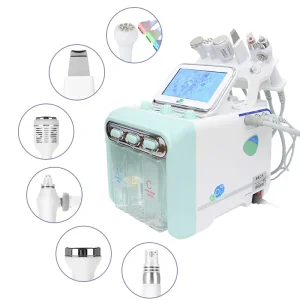
Clinical Diagnostic & Therapeutic Systems
Explore our top-tier CE-certified aesthetic, diagnostic, and phototherapy equipment manufactured for hospital clinics, medical spas, and global brand distributors.
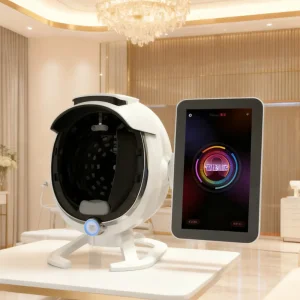
Buy AI Skin Quality and Moisture Analysis Machine with Scalp Analyzer - China Suppliers and Factory Solutions Service, Factories
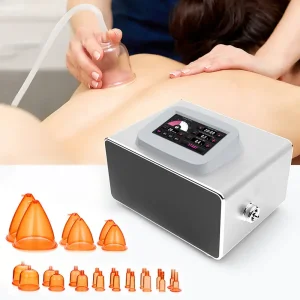
Custom Breast vacuum suction butt enhancer treatment cupping machine Suppliers, Supplier
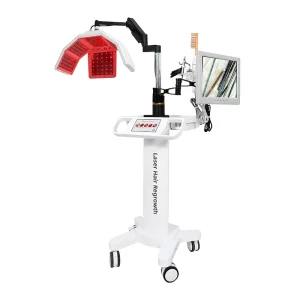
CE Certification China 650nm Laser Hair Regrowth Machine - Anti Hair Loss Device from Leading Suppliers & Factory Service, Exporters
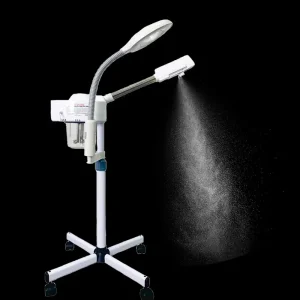
CE Certification China Suppliers Factory Nano Spray Face Moisturizing Steamer with Magnifying Light for Spa and Home Use Suppliers, Manufacturers
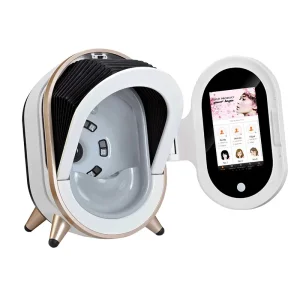
OEM 3D AI Face Skin Diagnostics Analyzer Machine - China Suppliers & Factory for Personalized Skincare Solutions Suppliers, Supplier
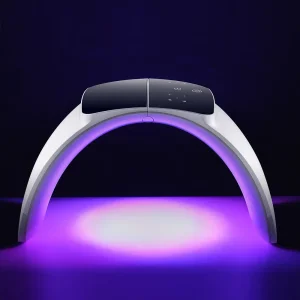
Buy China LED Facial Light Therapy Machine - 7 Color Spa Lamp from Reliable Suppliers & Factory for Skin Care Manufacturers, Manufacturer
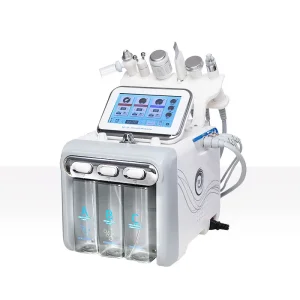
CE Certification H2O2 Skin Care Microdermabrasion Machine – Youthful Skin from Leading China Suppliers and Factory Supplier, Manufacturer
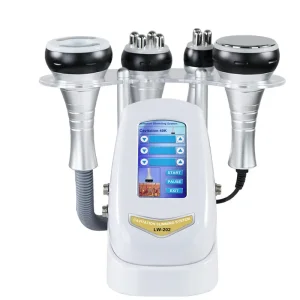
CE Certification 40kHz Ultrasonic Cavitation Slimming Machine from China Suppliers & Factory for Weight Loss and Skin Tightening Service, Manufacturers
The Evolution of CE-Certified LED Light Therapy Equipment
A comprehensive analysis of photobiomodulation mechanisms, regulatory compliance benchmarks, and supply chain strategies for institutional medical device buyers.
Core Manufacturing Insight
Modern clinical-grade Photobiomodulation (PBM) devices require precise spectral emission tolerances (±3nm to ±5nm), calibrated irradiance metrics ($mW/cm^2$), and rigorous photobiological safety standards under IEC/EN 62471. Simply placing commercial LEDs in a plastic shell does not constitute a therapeutic machine; medical efficacy is strictly governed by optical physics, thermal management, and regulatory compliance under CE directives (MDR 2017/745 and LVD/EMC directives).
1. Scientific Fundamentals of Photobiomodulation (PBM) & Low-Level Light Therapy (LLLT)
Light Emitting Diode (LED) therapy has transitioned from non-invasive aesthetic enhancement to a rigorously validated medical modality known as Photobiomodulation (PBM). Unlike ablative laser therapies that rely on thermal tissue injury to trigger wound-healing cascades, PBM delivers monochromatic or narrow-band non-thermal light energy into cellular mitochondria.
The primary chromophore targeted by therapeutic red and near-infrared (NIR) light wavelengths is Cytochrome c Oxidase (CCO), the terminal enzyme complex (Complex IV) in the mitochondrial electron transport chain. When tissue cells suffer from oxidative stress, hypoxia, or chronological aging, Nitric Oxide (NO) binds to CCO, displacing oxygen and inhibiting Adenosine Triphosphate (ATP) synthesis.
Absorption of specific photon energy (predominantly in the optical window of 630nm to 850nm) breaks the non-covalent bond between CCO and Nitric Oxide. This photo-dissociation triggers three immediate biochemical reactions:
- Up-regulation of Cellular ATP: Re-binding of oxygen to CCO restores cellular respiration, accelerating ATP generation up to 150-200% in compromised tissue.
- Transient Reactive Oxygen Species (ROS) Signaling: Controlled, micro-doses of ROS stimulate endogenous antioxidant defense mechanisms, promoting tissue regeneration and intracellular repair.
- Vasodilation & Microcirculation: Released free Nitric Oxide diffuses into local vascular endothelial beds, causing micro-vascular dilation and enhanced tissue oxygenation.
| Target Wavelength | Penetration Depth | Primary Chromophore | Clinical & Aesthetic Indications |
|---|---|---|---|
| 415nm ± 5nm (Blue Light) | 0.3mm – 0.5mm (Epidermis) | Porphyrins (Coproporphyrin III) in P. acnes | Inflammatory Acne Vulgaris, Sebaceous Gland Regulation, Anti-bacterial Decontamination |
| 590nm ± 5nm (Amber / Yellow) | 1.0mm – 2.0mm (Papillary Dermis) | Hemoglobin & Superficial Vascular Network | Erythema Reduction, Rosacea Therapy, Lymphatic Drainage Activation |
| 630nm / 660nm (Deep Red) | 2.5mm – 3.0mm (Reticular Dermis) | Cytochrome c Oxidase (Mitochondrial Complex IV) | Collagen Neosynthesis (Fibroblast Activation), Wrinkle Attenuation, Post-Procedure Wound Healing |
| 830nm / 850nm (Near-Infrared) | 5.0mm – 10.0mm (Subcutaneous & Muscle) | Mitochondrial CCO & Cell Membrane Ion Channels | Deep Tissue Inflammation, Hair Follicle Matrix Stimulation (Alopecia), Musculoskeletal Recovery |
2. Deciphering CE Certification: MDR, LVD, EMC & Photobiological Standards
For international buyers, distributors, and clinic owners, navigating European regulatory compliance is vital to avoiding customs seizure, legal liability, and clinical inefficacy. The label "CE Certified" must be scrutinized based on specific directives applicable to light therapy machines.
A. Medical Device Regulation (EU MDR 2017/745) vs. General Product Safety
In the European Union, phototherapy systems intended for medical diagnoses, wound healing, hair growth, or severe dermatological conditions (e.g., severe acne vulgaris, psoriasis) fall under the strict scope of the Medical Device Regulation (EU MDR 2017/745), classified as Class IIa or Class IIb devices. Equipment sold purely for superficial aesthetic conditioning may fall under general electronic safety standards, but must still comply with key directives:
- Low Voltage Directive (LVD 2014/35/EU): Ensures electrical safety, insulation integrity, leak current thresholds, and structural chassis protection across 50-1000V AC or 75-1500V DC operating ranges.
- Electromagnetic Compatibility (EMC 2014/30/EU): Guarantees that the device does not emit electromagnetic interference (EMI) that disrupts surrounding clinical hardware, and remains immune to incoming radiofrequency spikes.
- EN 62471 Photobiological Safety of Lamps and Lamp Systems: Evaluates optical hazards including actinic UV hazards, retinal blue light hazard, thermal retinal hazard, and infrared eye radiation. Professional devices must pass Risk Group 1 (Low Risk) or Risk Group 0 (Exempt) testing under maximum operating output.
B. ISO 13485:2016 Certification for Export Manufacturers
A legitimate CE Certification light therapy exporter operates under an audited ISO 13485:2016 Quality Management System for medical devices. This certification validates total traceability across component procurement (Epistar/Cree LED chips), optical power meter calibration, wave-soldering assembly, burn-in stress testing, and final output power verification.
Global Manufacturing & Quality Metrics
Benchmarking operational output, quality assurance protocols, and global distributor satisfaction across 50+ countries.
Medical-Grade Optical Array Design
Engineered with narrow-spectrum SMD LEDs featuring high radiant flux efficiency and zero UV stray emission. Micro-lens collimation focuses light directly into targeted dermal layers without lateral energy dispersion.
Advanced Active Thermal Management
Overheating accelerates LED optical power decay. Our units feature heavy-duty aluminum PCB substrates, heat-sink dissipation fins, and silent fluid-bearing cooling fans to preserve 99% radiant stability during back-to-back clinical treatments.
Turnkey OEM/ODM Customization
Complete structural and electronic white-label customization. From custom wavelength combinations (e.g., 415nm + 630nm + 830nm) to GUI touchscreen branding, housing mold manufacturing, and multi-language firmware loading.
Global B2B Buyer's Technical Evaluation Framework
How clinical purchasers and B2B equipment importers evaluate optical efficiency, power metrics, and supplier reliability.
3. Key Technical Metrics for Evaluating LED Light Therapy Suppliers
When sourcing LED therapy devices from China or global exporters, marketing parameters can often be misleading. B2B buyers must insist on bench-test verification of four primary physical optical parameters:
1. Radiant Irradiance ($mW/cm^2$) vs. Electrical Wattage
Electrical power consumption (e.g., "300 Watt Device") indicates grid power draw, not biological light energy delivered to the patient's skin. The decisive metric is Irradiance, measured in milliwatts per square centimeter ($mW/cm^2$) at a standardized treatment distance (e.g., 10cm or 20cm). A high-efficiency 60W optical array can deliver higher irradiance than a poorly designed 300W array with low radiant efficiency.
2. Energy Fluence / Dose ($J/cm^2$) Calculation
Therapeutic outcomes depend on energy dosage (Joules per square centimeter). The biological dose equation is defined as:
Energy Dose ($J/cm^2$) = Irradiance ($W/cm^2$) × Exposure Time (Seconds)
Example: An irradiance of 50 $mW/cm^2$ ($0.050 W/cm^2$) applied for 20 minutes (1200 seconds) delivers a therapeutic fluence of 60 $J/cm^2$.
3. Spectral Bandwidth & Full Width at Half Maximum (FWHM)
Low-cost consumer LEDs exhibit broad spectral variance (±20nm to ±30nm), spilling energy outside the biological absorption window. Medical-grade LED arrays engineered by premier manufacturers maintain an narrow FWHM of ±3nm to ±5nm, ensuring 100% of emitted photons fall precisely on the absorption peak of target cellular chromophores.
4. Multi-Wavelength Pulse Modulation Dynamics
Modern clinical protocols utilize pulsed wave (PW) light modes alongside continuous wave (CW). Pulse modulation frequencies (ranging from 1Hz to 20,000Hz) prevent biological accommodation (where target tissues become desensitized to constant light exposure) and enhance cell membrane hyper-polarization.
Our 5-Stage OEM Export Production Process
Optical Spec Brief
Wavelength configuration, required target irradiance ($mW/cm^2$), and regulatory target determination.
Structural & PCB R&D
CAD chassis design, aluminum PCB layout design, and active cooling airflow simulation.
CE & Safety Testing
Spectroradiometer wave audit, LVD electrical leakage check, and EMC surge immunity verification.
Burn-in Mass Assembly
72-hour continuous thermal aging and optical power output decay logging under full load.
Global Logistics & DOC
CE Declaration of Conformity issuance, drop-tested export packaging, and customs clearance support.
Technological Roadmap of Next-Gen Phototherapy Systems
Key trends shaping the future of aesthetic medicine, automated diagnostics, and smart connected LED devices.
AI Skin Diagnostic Integration
Integration of real-time computer vision skin analysis. Diagnostics cameras measure wrinkle depth, sebum levels, and erythema density, automatically compiling personalized LED wavelength, pulse frequency, and exposure duration protocols.
Hybrid Multi-Modality Platforms
Seamless synergy combining Photobiomodulation with hydrodermabrasion, micro-current (EMS), targeted ultrasound (Cavitation), and radiofrequency (RF) within unified clinical treatment stations to maximize salon ROI per square foot.
IoT Tele-Dermatology Telemetry
Cloud-connected clinical management systems allowing franchise operators to track device usage, log treatment parameters, monitor LED diode hour degradation, and push over-the-air (OTA) firmware updates worldwide.
Frequently Asked Questions by Global Importers
Detailed technical answers to common queries regarding CE compliance, OEM minimum orders, maintenance, and clinical safety.
What documentation accompanies your CE Certified LED machines?
Every commercial order includes a complete technical dossier containing the official CE Declaration of Conformity (DoC), LVD electrical safety test report (EN 60601-1 / EN 62368-1), EMC electromagnetic compatibility report (EN 60601-1-2), and EN 62471 Photobiological Eye & Skin Safety report.
How do you prevent optical power output decay over extended clinic use?
We utilize industrial-grade ceramic encapsulation SMD LEDs coupled directly to 2.0mm aluminum core PCBs and active thermistor-controlled heat sinking. This maintains junction temperatures below 65°C, limiting optical degradation to less than 3% over 50,000 operational hours.
What are the minimum order quantities (MOQ) for custom OEM branding?
Standard white-label requests (custom silk-screened logo and software boot screen UI) start at an MOQ of 5-10 units depending on the machine model. Complete custom housing molding and unique casing colorways generally require an MOQ of 50 units.
Can the LED array combine multiple wavelengths simultaneously?
Yes. Our multi-channel microprocessors allow operators to select isolated single wavelengths (e.g., 415nm for active acne) or simultaneous multi-wavelength combinations (e.g., 630nm + 830nm for deep skin rejuvenation and inflammatory repair).
What electrical voltage standards are supported for global export?
All power supply units (PSU) are engineered with universal wide-voltage switch-mode power circuitry supporting 100V – 240V AC at 50/60Hz, compliant with North American, European, Australian, and Asian grid configurations.
What post-warranty support and spare parts inventory do you guarantee?
We provide a standard 2-year factory warranty on main board electronics and optical panels. Spare modules, power supplies, and plug-and-play LED replacement cards are maintained in stock for immediate air-express dispatch globally.
Complete Aesthetic & Phototherapy Catalog
Discover our comprehensive collection of multi-technology skin care, laser, cavitation, and personal therapy hardware.
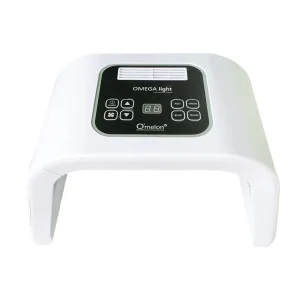
Buy 7 Colors LED Face Treatment Machine - China Suppliers & Factory for Acne, Wrinkles, and Skin Rejuvenation Exporter, Factory
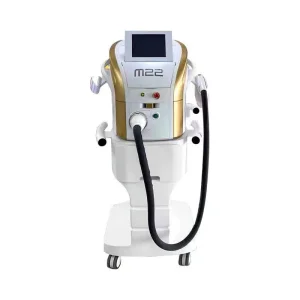
OEM China Suppliers Factory IPL Laser Diode Hair Removal & Skin Rejuvenation Machine for Effective Treatment Exporter, Manufacturer
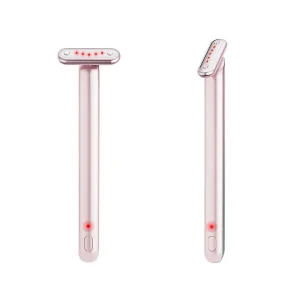
Buy face neck lighten lift led light facial wand with ems Service, Manufacturers
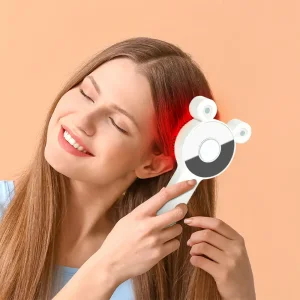
ODM Oil Scalp Massage Comb With Sprayer for Hair Growth Supplier, Manufacturers
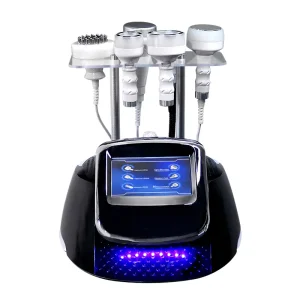
Buy 80k 5D Cavitation Slimming Machine - China Suppliers and Factory for Non-invasive Body Contouring and Skin Tightening Service, Supplier
ODM China Suppliers Factory Oil Scalp Massage Comb with Sprayer for Enhanced Hair Growth and Scalp Care Exporters, Manufacturer
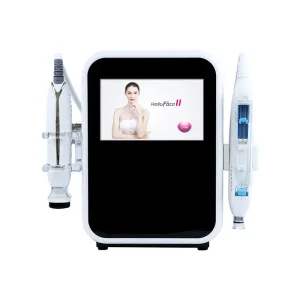
Buy China Nano RF Meso Gun Needle Mesotherapy Machine - Top Quality Suppliers & Factory for Skin Rejuvenation Exporter, Factory