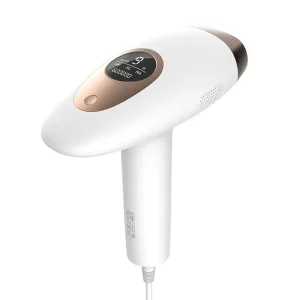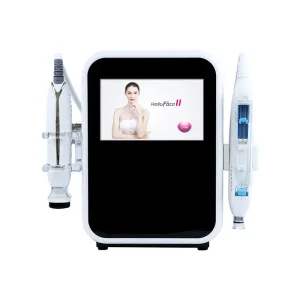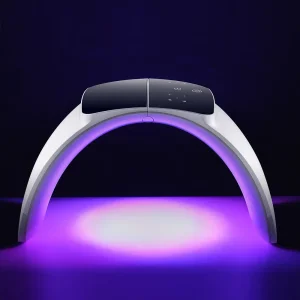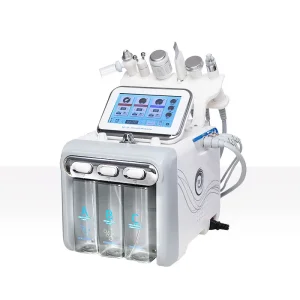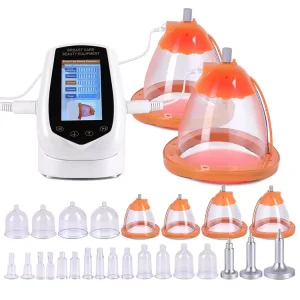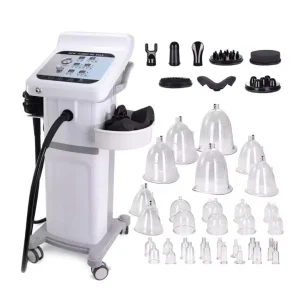
Featured Aesthetic & Medical Beauty Platforms
Factory-Direct Export Portfolio for Clinics, Spas, and Medical Device Importers
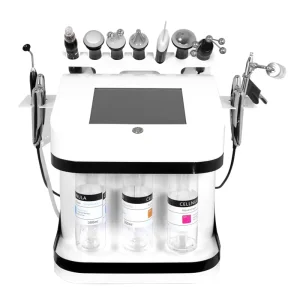
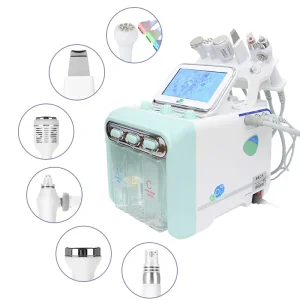
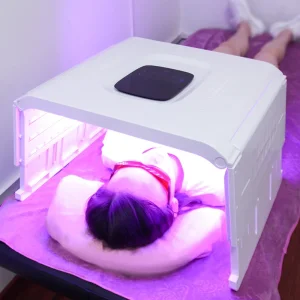
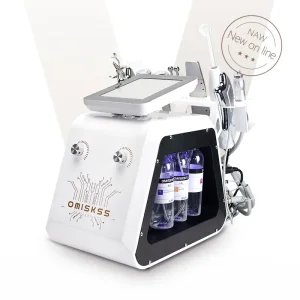
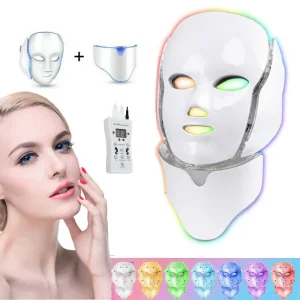
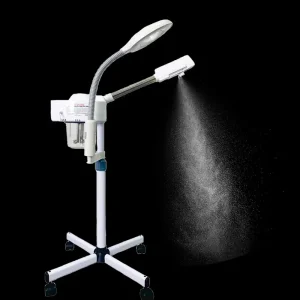
Macro Industry Landscape: Non-Invasive Body Contouring Evolution
Global Market Trajectory, Biomechanical Mechanisms, and B2B Strategic Growth
The global medical aesthetics and professional wellness market is undergoing a structural shift toward non-invasive, high-efficacy body sculpting modalities. Among the vast array of technological solutions available to dermatologists, cosmetic clinics, and medspa franchisees, Vacuum Cavitation Machines represent the cornerstone of non-surgical lipolysis and dermal remodeling systems.
Acoustic cavitation technology operates on the physical principle of low-frequency ultrasound waves (typically ranging between 35 kHz and 80 kHz) generating micro-bubbles within interstitial adipose tissue. As these micro-bubbles undergo rapid expansion and violent implode under peak sonic compression—a process termed transient acoustic cavitation—they create localized micro-jets and high shear forces that selectively disrupt the delicate membranes of subcutaneous adipocytes (fat cells). When integrated with negative-pressure vacuum drainage and multipolar radiofrequency (RF) thermal energy, the system delivers a triple-action synergy: immediate fat cell lysis, accelerated lymphatic evacuation, and neocollagenesis within the overlying dermal architecture.
1. Shift Toward Synergy Platforms
Standalone cavitation or standalone RF units are rapidly being phased out. Enterprise procurement contracts overwhelmingly demand multi-modal platforms combining 40K/80K Cavitation, Vacuum Negative Pressure, Multipolar RF, EMS (Electrical Muscle Stimulation), and InfraRed (IR) LED bio-stimulation within a single ergonomic console.
2. Precision Calibration & Safety
Modern regulatory environments (such as the EU Medical Device Regulation MDR 2017/745 and US FDA Class II guidelines) mandate strict acoustic power density monitoring. Advanced manufacturers now integrate real-time skin temperature feedback sensors and auto-frequency tuning transducers to prevent thermal burn injuries or tissue damage.
3. High-Throughput Clinic Operations
Commercial spa owners prioritize minimal operator fatigue and rapid patient turnover. Ergonomic handpiece engineering, integrated touch-screen displays on treatment wands, and self-cleaning vacuum fluid traps have evolved into critical buyer evaluation metrics.
Engineering & Technical Benchmark Blueprint
Key Components for Enterprise B2B Buyers & Technical Procurement Officers
When sourcing vacuum cavitation platforms from OEM/ODM factories in China or global suppliers, evaluating price points without scrutinizing internal hardware architecture is a catastrophic error for medical device importers. The operational longevity, therapeutic efficacy, and safety profile of a cavitation unit depend directly on four architectural pillars:
01. Ultrasonic Transducer Quality
Low-grade machinery utilizes cheap ceramic discs that overheat within 15 minutes of continuous operation, drifting off-frequency (e.g., slipping from 40kHz to 52kHz where cavitation physics fails). Premium B2B suppliers utilize imported piezoelectric ceramic transducers featuring titanium alloy casing. This ensures stable acoustic resonance at 40,000 Hz (+/- 0.5 kHz) with continuous continuous duty cycles.
- Titanium-aluminum acoustic head alloy for high acoustic transmission
- Constant-frequency digital sweep generator circuits
- Heat-sink liquid cooling chambers within the handpiece body
02. Vacuum Suction Pump Hydraulics
The vacuum component must maintain constant, pulse-adjustable negative pressure (0 to -100 kPa). Inferior membrane pumps suffer from pressure drops when fluid or massage oil vapor enters the system. Medical-grade units feature dual-stage oil-less diaphragm pumps backed by double electromagnetic air valves and external fluid separation filtration traps.
- Dual-pump continuous negative pressure system up to 100 kPa
- Programmable peristaltic vacuum pulse modes (Continuous, 1:1, 2:1, 3:1)
- Quick-release inline oil/water filter assembly
03. Multipolar RF Generator Fidelity
Radiofrequency modules must deliver clean high-frequency energy (typically 1 MHz to 5 MHz) into the subcutaneous dermal junction. Premium platforms deploy capacitive/conductive switching matrices with active real-time skin impedance matching. If the client's skin dry-resistance spikes, the generator automatically adjusts voltage output to eliminate painful arc sparkings.
- 1MHz - 5MHz variable frequency bipolar & multipolar RF emitters
- Integrated 635nm red laser diodes for photothermal lipolysis enhancement
- Isolated medical-grade power supply units (IEC 60601-1 compliant)
04. Chassis Ergonomics & GUI Software
Modern clinics require intuitive Linux or Android-based capacitive touchscreen interfaces with pre-programmed treatment protocols based on client Fitzpatrick skin types, body mass indexes (BMI), and localized treatment zones (abdomen, flanks, thighs, arms, submental fat).
- 10.4-inch to 15.6-inch high-definition color touchscreens
- Multi-language UI support (English, Spanish, German, French, Russian, Arabic)
- OEM branding capability: custom splash screens and logo housing prints
Turnkey OEM/ODM Solutions for Global Enterprise Partners
Streamlined Manufacturing, Private Label Customization, and Supply Chain Scale
As a leading Shenzhen-based manufacturer with over a decade of dedicated research and development in smart aesthetic hardware, we provide comprehensive industrial solutions tailored for brand owners, regional distributors, medical equipment importers, and chain clinic consortiums.
Industrial & Structural Design
Our in-house industrial design team turns conceptual sketches into 3D CAD models, rapid SLA prototypes, and custom injection tooling. Whether you require compact desktop consoles for mobile estheticians or high-end vertical stand-alone clinic towers, we engineer bespoke housing aesthetics utilizing durable ABS, aluminum alloys, and medical-grade acrylics.
Firmware & Software Integration
Stand out from regional competitors with custom UI skinning, proprietary treatment algorithm programming, operator card access systems, and IoT connectivity for remote diagnostic tracking, usage monitoring, and firmware over-the-air (OTA) updates.
Quality Control & Testing
Every manufactured unit undergoes a rigorous 72-hour continuous burn-in burn-out test regimen. Acoustic pressure outputs are verified via hydrophone analyzers, vacuum levels are stress-tested against pressure drop decay benchmarks, and high-voltage insulation tests guarantee 100% compliance with international safety protocols.
The B2B OEM/ODM Procurement Roadmap
Requirement Brief
Define specs, target market certifications, aesthetic styling, and order volume targets.
Engineering & Sample
3D modeling, PCB layout design, prototype build, and client verification testing.
Mass Production
Cleanroom assembly, SMT circuit fabrication, strict inline QC and aging tests.
Logistics & Support
Customs documentation, drop-shipping or freight forwarding, and technical training.
Global Compliance, Regulatory Assurance & Localized Support
Navigating International Medical Standards & Ensuring Seamless Supply Chain Security
Importing electro-mechanical beauty devices requires rigorous adherence to regional safety legislation and electromagnetic compatibility directives. Uncertified equipment risks customs seizure, massive regulatory fines, and legal liability in the event of client injury.
International Regulatory Portfolio
Our full lineup of vacuum cavitation platforms, hydra facial machines, and body sculpting platforms are backed by thorough technical documentation packages:
- CE Directive Compliance: Low Voltage Directive (LVD 2014/35/EU) and Electromagnetic Compatibility Directive (EMC 2014/30/EU).
- Medical CE & ISO 13485: Manufactured under certified Quality Management Systems for medical devices.
- RoHS & REACH: Environmentally safe raw materials free from restricted heavy metals and hazardous phthalates.
- FDA Clearance Pathway Support: Providing 510(k) technical master files, bio-compatibility test reports (ISO 10993), and electrical safety reports (IEC 60601-1).
Post-Purchase Protection & Warranty Architecture
We mitigate risk for international buyers by offering structured long-term support guarantees:
- 1-Year to 3-Year Comprehensive Warranty: Coverage includes motherboard electronics, RF power supplies, and internal pump assemblies.
- Modular Spare Parts Warehousing: Core components (transducers, pumps, power modules) are designed for plug-and-play field replacement.
- Dedicated Engineering Support: Direct access to bilingual technical support engineers via video conference, instant messaging, and email for rapid troubleshooting within 24 hours.
- Clinical Training Collateral: Operational manuals, video tutorials, recommended clinical protocol settings, and consent form templates supplied with every shipment.
Technology Roadmap: The Future of Cavitation & Body Sculpting
Innovations Shaping the Next Generation of Non-Invasive Aesthetics
1. AI Skin & Fat Layer Diagnostics
Future iterations will integrate real-time acoustic impedance scanning directly into the cavitation wand. The system dynamically reads local tissue density and subcutaneous fat thickness, automatically tuning the ultrasonic output power and frequency sweep in real-time to maximize lipolysis while avoiding muscle layer fatigue.
2. Ultra-Silent Hydro-Vacuum Technology
Traditional high-power vacuum pumps generate operational noise up to 68-72 dB. Next-gen R&D focuses on magnetic-levitation silent vacuum pumps and acoustic dampening enclosures, dropping treatment room noise below 48 dB for a tranquil, high-end luxury client experience.
3. Triple-Frequency Focused Cavitation
Transitioning from static single-frequency 40kHz heads to dynamic triple-frequency transducers (28kHz for deep stubborn abdominal fat, 40kHz for standard subcutaneous layer contouring, and 80kHz for delicate facial and neck tightening), all managed through automated software sequencing.
Frequently Asked Questions | B2B Procurement & Technical Guide
In-Depth Answers for Commercial Buyers, Clinic Directors, and Equipment Distributors
The primary difference lies in depth of penetration and acoustic energy density. A 40KHz wave has a longer wavelength, allowing it to penetrate deeper into thick subcutaneous adipose tissue layers (e.g., abdomen, buttocks, and flanks), making it optimal for heavy body contouring. Conversely, an 80KHz wave has a shorter wavelength with higher surface energy absorption, making it suitable for superficial fat layers, smaller body zones (arms, calves), and skin tightening applications where deep tissue impact must be minimized.
Vacuum negative pressure serves three clinical functions: First, it folds and lifts the skin fold directly into the focus zone of the ultrasound transducer, ensuring maximum energy delivery into adipose tissue while protecting underlying muscle and bone structures. Second, it stimulates localized blood circulation and opens lymphatic pathways. Third, following adipocyte lysis, the mechanical vacuum suction provides manual lymphatic drainage (MLD), accelerating the transport of released triglycerides and fatty acids through the lymphatic system to the liver for metabolic excretion.
Our OEM services include hardware logo application (via laser engraving, screen printing, or custom acrylic badge integration) and software customization. During the sample phase, our software engineers build a customized firmware flash image incorporating your brand's splash screen logo, color scheme, and multi-language translation strings. Language localization is delivered with zero licensing surcharge for batch orders.
To ensure maximum operational lifespan, technicians should execute three routines: 1) Daily emptying and cleaning of the external vacuum oil-trap filter to prevent massage oils from drawing into the internal vacuum pump diaphragm. 2) Cleaning the cavitation transducer face with non-corrosive disinfectant after every session (avoiding alcohol-based solvents on gel seals). 3) Monthly inspection of vacuum hose O-rings and quick-connect seals to ensure optimal negative pressure suction integrity.
Standard off-the-shelf models have a minimum order quantity (MOQ) of just 1 unit for sample evaluation. For custom OEM branding (logo printed on machine chassis and software startup screen), MOQ typically starts at 5 to 10 units depending on the console housing complexity. Standard production lead times are 7 to 10 business days for sample units and 15 to 25 business days for container-level batch shipments.
Our high-power consoles integrate smart thermal management systems: internal temperature monitoring sensors on both the main PCB power supply and inside the handpiece shell. If handpiece temperature exceeds 45°C during high-intensity sessions, the system triggers active cooling fans or temporarily reduces ultrasonic duty cycles to prevent transducer thermal degradation and operator discomfort.
Yes. Combining non-invasive technologies yields superior clinical outcomes. Using 40K Cavitation & Vacuum RF prior to EMS (Electrical Muscle Stimulation) pre-heats and softens localized fat deposits, allowing EMS electrical pulses to achieve deeper motor-neuron muscle contractions. When combined with Cryolipolysis (fat freezing), post-cavitation vacuum treatment accelerates the breakdown and clearance of crystallized lipid cells.
Complete Commercial Aesthetic Equipment Lineup
Direct Sourcing Catalog for Professional Beauty Salons, Spas, and OEM Distributorships