
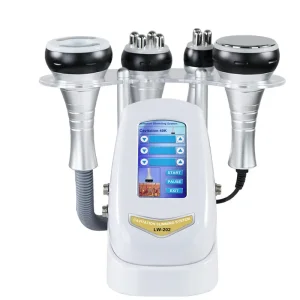
Featured Aesthetic Equipment Portfolio (Catalog Direct Sourcing)
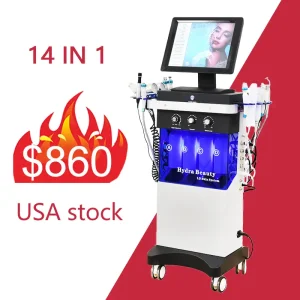
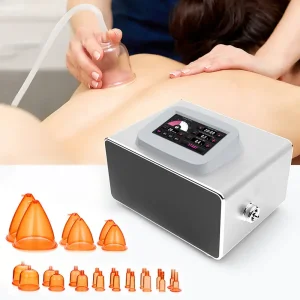
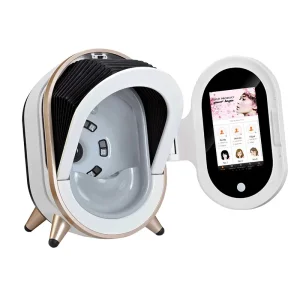
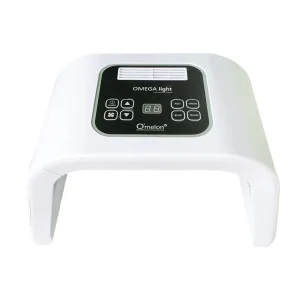
Explore our primary ISO 13485 certified medical aesthetic systems engineered for international clinics, commercial beauty spas, and regional distributors.
1. Biophysical Operating Principles & Macro Industry Solutions
Ultrasonic cavitation has transformed the global medical aesthetics landscape, offering a non-invasive, surgical-free alternative to traditional suction lipoplasty. When sourcing from premium equipment manufacturers, understanding the micro-physics of high-frequency acoustic waves is essential for clinical efficacy, device safety, and long-term business ROI.
Acoustic Cavitation & Micro-Bubble Physics
Ultrasonic cavitation devices emit focused low-frequency sound waves (predominantly 40 kHz to 80 kHz) targeting subcutaneous adipose tissue. The rapid compression and expansion cycles create microscopic vacuum micro-bubbles within intercellular interstitial fluids.
As these micro-bubbles reach critical resonance mass, they undergo violent implosion (transient cavitation). The resulting localized shockwaves disrupt fat cell membranes (adipocytes) without causing thermal trauma to adjacent capillaries, peripheral nerves, or epidermal layers.
Adipose Cell Emulsification & Metabolic Elimination
Upon membrane rupture, stored intracellular triglycerides are hydrolyzed into free fatty acids and glycerol. Glycerol dissolves into the vascular system for energy conversion, while insoluble free fatty acids bind to serum albumin and transport to the liver.
The hepatic system metabolizes these lipids via natural physiological pathways, assisted by lymphatic clearance. Modern B2B protocols mandate pairing cavitation with Vacuum Lymphatic Drainage or Multi-Polar Radio Frequency (RF) to accelerate clearance rates by up to 35%.
Synergistic Multipolar RF & Vacuum Integration
Standalone cavitation can leave cutaneous tissue prone to laxity. Next-generation aesthetic devices integrate 1–5 MHz Radio Frequency thermal energy. RF heating induces immediate collagen triple-helix contraction while stimulating long-term fibroblast neocollagenesis.
Simultaneously, pulsed negative-pressure vacuum suction manipulates skin folds, optimizing transducer contact and lowering skin impedance for uniform energy distribution deep into fat layers.
Engineering Benchmark: 40 kHz vs. 80 kHz Cavitation Systems
| Technical Feature / Parameter | 40 kHz Deep-Tissue System | 80 kHz Subdermal Precision System | Synergistic Multi-Frequency Platform |
|---|---|---|---|
| Penetration Depth | 1.5 cm – 2.5 cm (Deep visceral & abdominal fat) | 0.5 cm – 1.0 cm (Subdermal fat & sensitive zones) | Dynamic Auto-Tuning (0.5 cm – 3.0 cm) |
| Cavitation Intensity & Bubble Size | Larger micro-bubbles, violent implosion force | Smaller, dense bubble formation, gentler energy | Variable modulated pressure wave pulses |
| Primary Treatment Indications | Abdomen, flanks, thighs, dense lipodystrophy | Arms, neck, submental fat, post-lipo smoothing | Full-body sculpting, facial contouring & tightening |
| Audible Noise Level (Patient Experience) | Noticeable bone-conducted resonance sound | Ultra-quiet acoustic frequency pattern | Active acoustic dampening integrated handpiece |
| Recommended Clinical Pairing | Vacuum drainage + 1MHz Multipolar RF | Bi-polar RF + 635nm Lipo Laser pads | Integrated EMS + Thermal RF + Vacuum Hydro-pump |
2. Global Commercial Landscape & MedSpa Sourcing Dynamics
The global market for non-invasive body shaping devices is projected to surpass $3.8 Billion USD by 2030, registering an annual compound growth rate (CAGR) of over 14.2%. Understanding supply chain economics empowers clinic networks and equipment distributors to make informed procurement decisions.
Shenzhen Manufacturing Innovation Hub
As the world’s premier electronic and medical device manufacturing center, Shenzhen offers an integrated ecosystem. Top suppliers leverage local supply chains for high-purity piezoelectric ceramics, medical-grade stainless steel transducers, and advanced microchip control boards.
Working directly with factory suppliers eliminates middleman markups, reducing acquisition costs by 40% to 65% while maintaining stringent manufacturing precision.
Unit ROI Analysis for Aesthetic Clinics
For a commercial MedSpa, investing in a multi-functional 80K Cavitation + RF platform requires low capital expenditure relative to return. With an average package cost of $800–$1,500 for 6 sessions, an aesthetic clinic can recoup machine procurement investment within 20 to 30 patient protocols.
Low consumable requirements (primarily ultrasound gel and replacement suction filters) maintain profit margins above 88% per session.
OEM/ODM Customization Advantages
Distributors looking to establish private-label brands require hardware agility. Reliable manufacturing suppliers provide full-suite ODM services:
- Custom injection-molded chassis housing colors and metal accents
- Localized UI language firmware (EN, ES, FR, DE, AR, PT, RU)
- Proprietary handpiece designs and branded software boot-up logos
- Customized flight-case packaging and user operating manuals
3. Industrial Hardware Architecture & Component Quality Standards
Not all ultrasonic cavitation devices are built equally. Equipment failure, frequency drift, and handpiece overheating plague low-tier suppliers. Evaluating internal component quality ensures operational reliability and client safety.
Piezoelectric Ceramic Transducers
The core of any cavitation device is its ultrasonic transducer. Superior machines utilize imported PZT-8 (Lead Zirconate Titanate) ceramics, which offer high mechanical quality factors and ultra-low thermal dissipation.
Cheaper devices use low-grade PZT-4 ceramics that overheat within 15 minutes of operation, causing output frequency degradation and unsafe surface temperatures.
Digital Automatic Frequency Tracking
Acoustic resonance shifts during treatment as handpiece pressure and gel thickness change. Leading manufacturing platforms incorporate microprocessors featuring Auto-Frequency Tracking.
The system continuously adjusts output voltage to maintain lock-step resonance at 40,000 Hz ± 50 Hz, ensuring consistent implosion energy without requiring manual technician calibration.
Active Fluid Cooling & Vacuum Pumps
To support back-to-back clinical sessions, internal power supplies and RF modules require robust heat dissipation. High-grade systems utilize dual-ball-bearing silent fans, aluminum radiator manifolds, and heavy-duty oil-free diaphragm vacuum pumps rated for >10,000 operating hours under continuous negative pressure.
4. Localized Regulatory Compliance, Power Specifications & Aftermarket SLA
Cross-border procurement demands strict adherence to regional medical device regulations, safety certifications, and local technical support structures. Working with fully compliant factory exporters streamlines customs clearance and protects against liability.
Global Safety Certifications
International buyers must verify equipment compliance before importation. Premier suppliers provide audited certification packages including:
- CE Medical Device Directive (MDD/MDR): Compliance with EU safety, health, and environmental requirements (EN 60601-1 electrical safety).
- RoHS & REACH: Elimination of hazardous substances in internal circuitry and plastic housings.
- ISO 13485: Certified quality management systems for medical device design and assembly.
Localized Electrical & Power Standards
Operating medical devices globally requires adaptive power electronics. Export-ready systems feature universal auto-switching power transformers supporting:
- North America & Japan: 110V/120V ±10%, 60Hz with NEMA 5-15 medical-grade grounded plugs.
- Europe, UK, Middle East: 220V/240V, 50Hz featuring EU Schuko or UK 3-pin BS 1363 power cords.
- Electromagnetic Compatibility (EMC) filtering to prevent interference with surrounding medical equipment.
Technical Aftermarket SLA & Spare Parts
Equipment downtime directly impacts clinic revenue. Industry-leading factory suppliers offer comprehensive Service Level Agreements (SLA):
- 24/7 Remote Diagnostics: Video support with certified electronics engineers for real-time troubleshooting.
- Modular Swap Protocol: Quick-connect internal wiring modules allowing rapid field replacement of boards or pumps.
- Spare Parts Stocking: 3-year guaranteed stock availability for replacement handpieces, cables, and transducers.
5. Versatile Commercial & Clinical Application Scenarios
Ultrasonic cavitation systems accommodate diverse treatment menus. Tailoring device parameters allows providers to maximize clinic utility across patient demographics.
Medical Aesthetic Clinics
Used as a primary non-invasive body sculpting protocol or as an adjunct therapy following surgical liposuction to smooth residual contour irregularities and improve localized tissue edema.
Day Spas & Wellness Studios
Integrated into holistic weight-management programs. Combines 80K ultra-quiet cavitation with infrared sauna wraps and mechanical vacuum massage for relaxing, low-intensity contouring treatments.
Post-Partum Recovery Centers
Targeted low-energy protocols designed to assist mothers in restoring abdominal wall skin tightness, reducing stubborn post-gestational fat pockets, and tightening lax dermal matrix tissues.
Fitness & Sports Rehab Clinics
Leveraged for myofascial release, deep tissue acoustic mobilization, and localized reduction of fibrous subcutaneous fat deposits that resist exercise and dietary restrictions.
6. Technology Roadmap & Future Outlook (2025–2030)
The aesthetic device industry is evolving rapidly through artificial intelligence integration, dynamic multi-frequency output, and real-time biometric feedback. Here is where cavitation technology is heading over the next decade.
AI Impedance Sensing Handpieces
Next-generation handpieces incorporate real-time tissue impedance feedback sensors. The device measures fat density and moisture levels 100 times per second, automatically modulation RF thermal output and acoustic cavitation intensity to prevent skin burns while maximizing cell rupture rates.
Dynamic Dual-Frequency Modulation
Rather than switching between separate 40kHz and 80kHz handpieces, upcoming platforms feature dynamic dual-driver transducers. The system sweeps across 38 kHz to 85 kHz during a single pulse cycle, simultaneously treating deep visceral adipose layers and superficial cellulite matrixes.
Subdermal Thermal Camera Integration
High-end platforms feature embedded FLIR micro-thermal sensors directly into the screen interface, displaying live color-coded subdermal temperature maps. This ensures operators maintain optimal therapeutic collagen remodeling zones (41°C – 43°C) with millimeter accuracy.
7. Frequently Asked Questions (B2B Procurement & Technical FAQ)
Comprehensive expert answers addressing common inquiries from professional buyers, importers, and MedSpa business owners.
Answer: The primary difference lies in sound wave penetration depth, acoustic bubble intensity, and patient comfort. A 40kHz system produces longer wavelengths and larger cavitation bubbles, penetrating 1.5 cm to 2.5 cm deep into thick adipose layers—ideal for abdominal and flank sculpting. However, 40kHz creates a audible bone-conducted buzzing sound for the patient.
An 80kHz system operates at double the frequency, creating smaller micro-bubbles that target superficial fat deposits (0.5 cm to 1.0 cm depth). It is virtually silent, gentler on tissue, and optimized for sensitive zones, thin fat layers, or smoothing post-liposuction irregular contours.
Answer: Sourcing directly from an established China beauty machine manufacturer (such as Shenzhen Aidiesin Industrial Co., Ltd.) offers significant financial and technical advantages. Factory direct pricing reduces equipment capital expenditures by 50–70% compared to local distributor markups.
Furthermore, working directly with the manufacturer enables full OEM customization—including custom casing designs, firmware branding, specific handpiece configurations, and direct engineer-to-engineer technical support. Reliable factories provide comprehensive spare parts, international shipping logistics, and full regulatory documentation.
Answer: High-grade medical aesthetic cavitation platforms must incorporate multi-stage safety hardware: (1) Over-current and over-voltage surge protection; (2) Automatic thermal cut-off switches inside transducers to prevent thermal burn risks if gel dries out; (3) Acoustic impedance detection that halts energy output when the handpiece lifts off the skin; and (4) Medical-grade isolated power supplies meeting IEC 60601-1 electrical safety standards.
Answer: Yes, fat cell destruction achieved via acoustic cavitation is permanent because ruptured adipocytes cannot regenerate. However, remaining fat cells can still expand if a patient experiences significant weight gain. Standard clinical protocols recommend 6 to 10 treatment sessions scheduled 3 to 5 days apart, accompanied by adequate hydration and light post-treatment lymphatic drainage exercise.
Answer: Standard catalog units typically have an MOQ of 1 piece with dispatch lead times of 3 to 7 business days. For customized OEM branding (such as logo printing and custom UI boot screens), typical MOQs range from 5 to 10 units with lead times of 10 to 14 days. Full ODM projects requiring custom injection molds have timelines detailed during engineering consultations.
Answer: Professional platforms include a 1-year to 2-year complete factory warranty. In the event of a technical issue, our engineering team performs video diagnostics. If a component (such as a power board or handpiece cable) is faulty, factory-original replacement parts are dispatched via express air freight (DHL/FedEx) within 48 hours, supported by step-by-step video replacement guides.
Complete Aesthetic Lineup & Specialized Systems
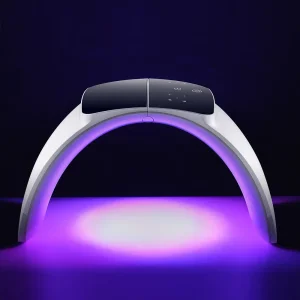
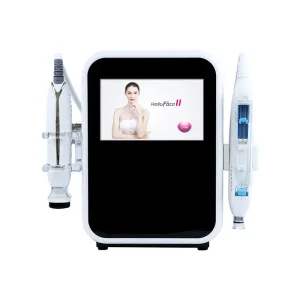
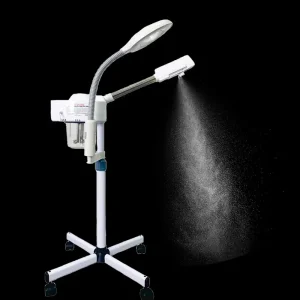
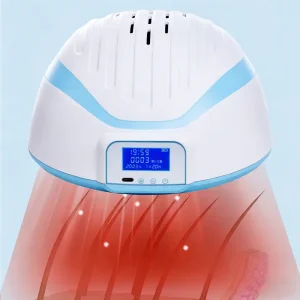
Browse additional specialized beauty technologies, multi-laser caps, meso guns, and diagnostic tools to complete your facility treatment menu.
Ready to Partner with a Certified Beauty Equipment Manufacturer?
Speak directly with our Shenzhen engineering and export team for custom OEM/ODM quotes, technical specification sheets, and international shipping estimates.