
Top Diagnostics & Facial Treatment Hardware for Indian Clinics
Factory-direct aesthetic systems optimized for dark skin phototypes, high-traffic medi-spas, and specialized dermatological setups.

1. The Macro Industrial & Clinical Context of Skin Analysis in India
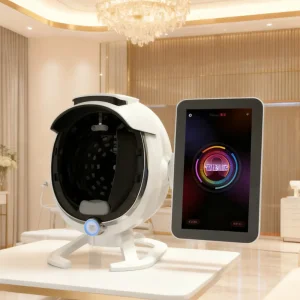
The Indian medical aesthetics and clinical dermatology market is undergoing a structural transformation. Driven by a expanding middle class, heightened awareness of non-invasive dermatological care, and the rapid proliferation of chain medi-spas across Tier-1 and Tier-2 cities (such as Mumbai, Delhi NCR, Bengaluru, Hyderabad, and Chennai), the demand for objective, data-backed diagnostic tools has reached an unprecedented peak. Within this ecosystem, skin analysis machines have shifted from being luxury consulting novelties to mandatory clinical diagnostic infrastructure.
Unlike Western dermatological demographics predominantly characterized by Fitzpatrick Scale Types I–III, the Indian population primarily exhibits Fitzpatrick Skin Types III through VI. This biological distinction introduces specific clinical challenges, including heightened risks of post-inflammatory hyperpigmentation (PIH), complex melasma patterns, deep-seated dermal pigmentation, elevated sebum secretion due to tropical ambient humidity, and early-onset structural collagen degradation caused by high ultraviolet (UV) index exposure.
Consequently, procurement managers, medical equipment importers, and clinic owners across India are actively seeking reliable manufacturing partners who can supply advanced skin analysis platforms with robust hardware, calibrated optical spectra, localized AI diagnostic algorithms, and resilient electronic components capable of enduring varied climatic and power conditions.
Fitzpatrick III-VI Focus
Algorithms specifically calibrated to separate epidermal melanin from dermal vascular hemoglobin in darker skin tones without misclassification artifacts.
Turnkey Consultation Sales
Enables Indian clinics to achieve a 40% higher conversion rate on treatment packages by showing visual 3D skin layer breakdowns to clients.
Tropical Heavy Build
High-grade optical seals preventing tropical dust accumulation and humidity ingress in coastal regions like Mumbai, Kerala, and West Bengal.
2. Technical Architecture & Multi-Spectral Imaging Spectrum
Engineering breakdown of optical modalities required for rigorous dermatological analysis in Indian aesthetic research institutes.
Multi-Spectral Optical Technology Stack
State-of-the-art skin analysis platforms exported to the Indian market utilize multi-spectral lighting arrays to isolate cellular structures across different skin depths. The hardware architecture integrates precise optical filters, high-CRI LEDs, and medical-grade CMOS sensors:
| Light Spectrum Mode | Wavelength Range | Target Biomarkers & Clinical Parameters | Relevance to Indian Skin Types |
|---|---|---|---|
| Standard RGB White Light | 400 nm – 700 nm | Surface pores, fine lines, macro spots, epidermic texture roughness. | Establishes baseline cosmetic appearance and surface pore dilation. |
| Cross-Polarized Light (CP) | 520 nm – 640 nm | Sub-surface erythema, vascular telangiectasia, active acne inflammation. | Eliminates specular reflection, allowing precise evaluation of vascular redness under pigmented skin. |
| Parallel-Polarized Light (PP) | 450 nm – 680 nm | Epidermal stratum corneum smooth texture, fine wrinkle depth mapping. | Quantifies barrier destruction caused by aggressive environmental pollution in Indian metros. |
| UV Fluorescence Light | 365 nm Peak | Porphyrin distribution (Propionibacterium acnes), deep spot accumulation, sebum output. | Crucial for diagnosing microbial acne drivers and hidden sun damage beneath dark epidermis. |
| Wood's Light Spectrum | 320 nm – 400 nm | Melasma boundary identification, vitiligo tracking, fungal scalp conditions. | Essential for differentiating epidermal melasma from recalcitrant dermal melasma. |
AI Engine & Cloud Data Modeling
Raw optical images captured by the CMOS hardware are instantly processed by on-board or cloud-based Convolutional Neural Networks (CNNs). Trained on an extensive dataset of multi-ethnic clinical imagery, the AI algorithm segments the face into anatomical zones (T-zone, U-zone, periorbital, and cheek areas), calculating quantitative indexes for 10 key skin metrics: hydration deficiency, oil distribution, pore congestion, dyschromia, UV damage depth, vascular sensitivity, structural elasticity loss, collagen breakdown, wrinkle severity, and biological skin age.
3. Global Sourcing Framework: Evaluating OEM/ODM Manufacturers for India
For Indian medical device importers, brand owners, and aesthetic distributors, sourcing skin analysis hardware directly from verified manufacturers requires a multi-layered evaluation framework. Selecting an OEM/ODM supplier involves analyzing technical capability, Bill of Materials (BOM) quality, software scalability, and export compliance.
Key Engineering Considerations for Importers
To ensure long operational lifespans and minimal warranty return rates in India, high-grade skin analysis machines must meet the following hardware standards:
Optical Lens Calibration
Industrial-grade optical lenses with anti-reflective coatings ensure consistent illumination across all spectral modes without chromatic aberration.
Voltage & Power Regulation
Wide-input power supplies (100V–240V, 50/60Hz) with built-in surge protection withstand voltage fluctuations common in certain Indian regions.
Modular Software & API
White-label software platforms allowing localized brand logos, custom report headers, multi-language support (English, Hindi), and CRM integration.
4. Holistic Macro-Solutions for Indian Aesthetic Ecosystems
Integrating skin analysis systems into Indian aesthetic clinics provides strategic operational advantages beyond initial diagnostics. Leading aesthetic chains leverage hardware data to optimize treatment lifecycle management:
Step-by-Step Diagnostic & Treatment Optimization Flow
- Pre-Treatment Intake Audit: High-resolution optical capture establishes an indisputable baseline of the patient's epidermal and dermal condition prior to undergoing procedures like laser hair removal, chemical peeling, or hydrodermabrasion.
- Personalized Protocol Formulation: AI diagnostic scoring guides dermatologists in prescribing precise laser energy parameters, topical chemical concentrations, and homecare skincare regimens tailored to specific moisture and oil ratios.
- Mid-Treatment Efficacy Audit: Comparative side-by-side spectral scans demonstrate quantifiable micro-improvements (e.g., a 25% reduction in deep UV spots or reduced erythema intensity), enhancing patient retention and compliance.
- Post-Procedure Proof of Result: Standardized diagnostic reports provide definitive verification of treatment success, protecting clinics against subjective dispute claims while driving word-of-mouth client referrals.
Expand Your B2B Distribution Portfolio in India
Connect directly with our engineering team to review technical catalogs, wholesale pricing tiers, and custom OEM software options for the Indian market.
Request Factory Direct Quotation5. Indian Compliance Assurance, CDSCO Guidelines & Import Directives
Navigating the regulatory framework in India is vital for importers and international exporters of medical aesthetic equipment. Compliance with national standards ensures smooth customs clearance and legal operational standing for client clinics.
Regulatory Oversight & Documentation Standards
Aesthetic skin analysis devices imported into India fall under specific regulatory classifications depending on their diagnostic optical power and clinical intent:
- CDSCO (Central Drugs Standard Control Organisation): Non-invasive skin analysis machines categorized purely as diagnostic aesthetic scanners generally fall under low-to-moderate risk classifications. Exporters must provide comprehensive CE certificates, ISO 13485 (Medical Devices Quality Management System) documentation, and detailed technical construction files (TCF).
- BIS (Bureau of Indian Standards) Electrical Safety: External power adapters, displays, and internal transformers must conform to IS 13252 / IEC 60950-1 safety requirements to guarantee electrical shock prevention and thermal safety in Indian power environments.
- Customs Tariff Classification (HS Codes): Equipment is typically imported under HS Code 9018.90 (Electro-medical instruments and appliances) or 9031.80 (Optical measuring and analyzing instruments), carrying specific basic customs duties (BCD), IGST, and social welfare surcharges.
Localized Technical Support & Warranty Service Matrix
To support Indian distributors, top-tier manufacturing partners provide comprehensive after-sales engineering frameworks, including spare module dispatch (mainboards, optical cameras, LED light bars), remote team-viewer software diagnostic support, and video-based technical training for local service technicians in major metropolitan hubs.
Frequently Asked Questions by Indian Importers & Dermatologists
Detailed answers regarding optical calibration, regulatory compliance, software licensing, and operational maintenance.
What makes an AI skin analysis machine suitable for Indian skin types (Fitzpatrick III-VI)?
Are CDSCO approvals required to import skin analysis machines into India?
How does UV light modality safely analyze deep pigmentation without damaging patient eyes?
What OEM/ODM options are available for Indian aesthetic clinic chains?
How are software updates and AI algorithm upgrades handled remotely in India?
What after-sales spare parts support is critical for maintaining high uptime?
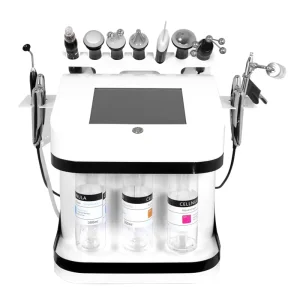
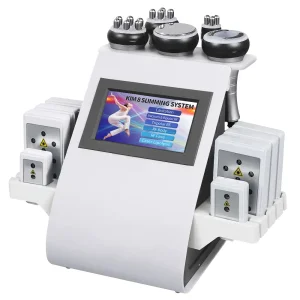
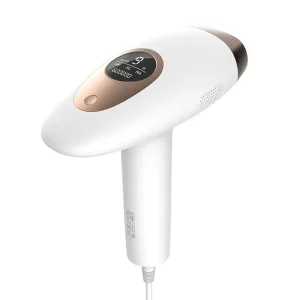
Expanded Aesthetic & Skin Care Machinery Range
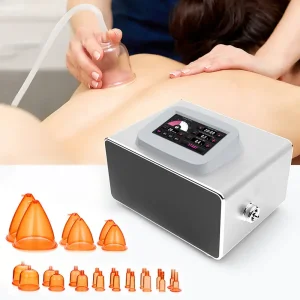
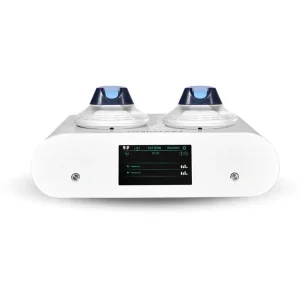
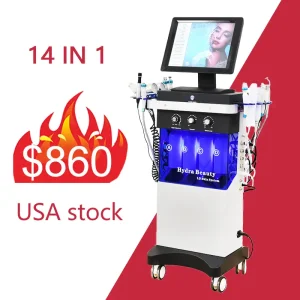
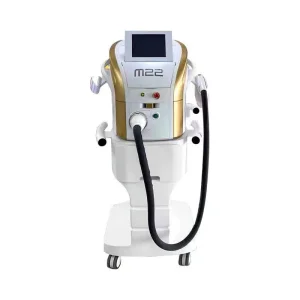
Explore related high-demand aesthetic hardware manufactured for international exports and regional Indian medical spa providers.
Partner with a Premier Beauty Machine Manufacturer
Get wholesale pricing, request customized OEM skin analyzer software demonstrations, and access complete engineering spec sheets for your distribution business in India.
Send Inquiry Now