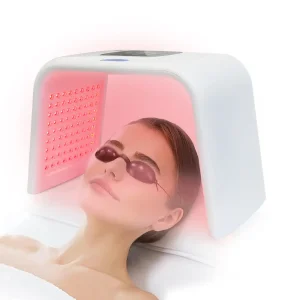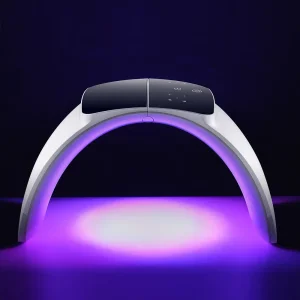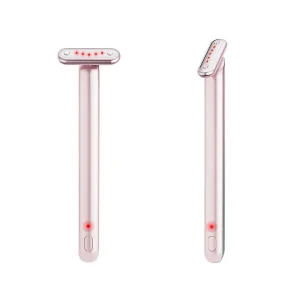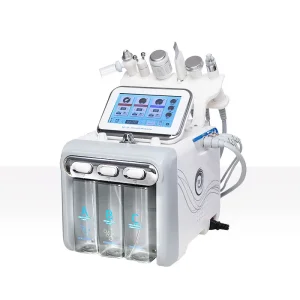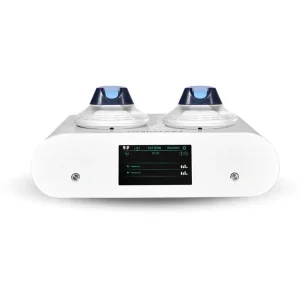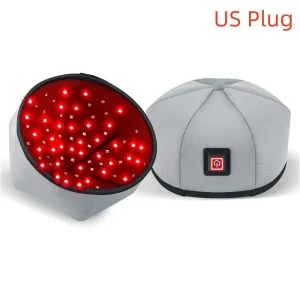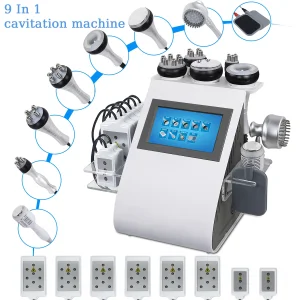
Featured Aesthetic & Body Contouring Systems
Explore our top-tier OEM manufacturing product lines, engineered for high-precision clinical outcome, safety compliance, and maximum ROI.
Global Macro-Economic Analysis: The RF Body Sculpting Market
Understanding the transition from traditional surgical lipolysis to non-invasive thermal radiofrequency hardware across global aesthetic supply chains.
The global demand for non-invasive body shaping and thermal skin tightening equipment has experienced explosive growth over the past decade. Medical spas, dermatological clinics, and wellness centers are actively migrating away from invasive surgical liposuction toward thermal energy-based modalities. Among these, Radiofrequency (RF) Slimming Technology has emerged as the definitive gold standard due to its zero-downtime profile, high client compliance, and dual-action capability of simultaneous adipocyte apoptosis and dermal collagen restructuring.
As an OEM/ODM buyer, distributor, or aesthetic enterprise, navigating the technical landscape requires a comprehensive understanding of RF physics, thermal impedance matching, circuit stabilization, and regional regulatory compliance. The global market is currently driven by three primary consumer demographics: post-partum abdominal reconstruction, age-related skin laxity restoration, and targeted localized adiposity reduction. Factory partners that possess robust R&D pipelines and ISO 13485 manufacturing environments are positioned to supply equipment that achieves high clinical safety margins alongside superior commercial margins.
Physics & Biological Mechanisms of Radiofrequency Diathermy
In-depth technical breakdown of energy delivery, tissue impedance, heating curves, and cell apoptosis pathways.
Endogenous Joule Thermal Effect
RF energy generates high-frequency alternating electric fields (typically 448 kHz to 5 MHz) within skin tissue. As water molecules and charged ions rapidly oscillate against tissue resistance, friction converts electrical kinetic energy into uniform endogenous heat energy (42°C - 45°C) within the target dermal and subcutaneous layers.
Neocollagenesis & Matrix Remodeling
Controlled hyperthermia at 42°C induces immediate triple-helix denaturation of existing collagen fibers. This triggers a localized healing cascade, stimulating dermal fibroblasts to synthesize Type I and Type III collagen, restoring dermal thickness and reversing structural skin laxity over a 30-to-90-day window.
Adipocyte Apoptosis Pathway
Subcutaneous adipose tissue (SAT) maintains higher electrical impedance than vascularized dermis. RF energy selectively concentrates thermal energy in fat depots. Sustained heating above 43°C destabilizes adipocyte cell membranes, initiating programmed cell death (apoptosis). Macrophages subsequently clear lipids via the lymphatic system.
Technical Comparison: Monopolar vs. Bipolar vs. Multipolar vs. RET/CET RF Modalities
Different OEM RF slimming configurations serve specific depth profiles and treatment goals. Standardizing these modalities is critical for system design and operator training.
| RF Architecture | Frequency Range | Penetration Depth | Target Tissue Layer | Primary Clinical Application |
|---|---|---|---|---|
| Monopolar RF | 1 MHz – 5 MHz | Deep (15mm – 20mm) | Subcutaneous Fat & Deep Fascia | Deep body slimming, visceral fat reduction, cellulite smoothing |
| Bipolar RF | 1 MHz – 2 MHz | Superficial (2mm – 4mm) | Papillary & Reticular Dermis | Facial skin tightening, fine wrinkle reduction, periorbital lifting |
| Multipolar / Octapolar RF | 1 MHz – 3 MHz | Medium (6mm – 10mm) | Dermis-Hypodermis Junction | Body contouring, targeted abdominal tightening, arm & thigh firming |
| CET (Capacitive Transfer) | 448 kHz – 500 kHz | Superficial & Vascular (3mm – 5mm) | Soft tissue, lymphatic fluid | Vascular circulation enhancement, fluid drainage, soft tissue tone |
| RET (Resistive Transfer) | 448 kHz – 500 kHz | Ultra-Deep (up to 30mm) | Dense adipose tissue, muscle fascia | Refractory deep fat reduction, visceral organ thermal therapy |
Localized Application Scenarios & Regional Operations
Adapting OEM slimming hardware configurations to local clinic workflows, regulatory parameters, and revenue models.
1. High-End Medical Spas & Dermatology Clinics
Medical practices require multi-technology platforms that integrate Monopolar RF with real-time continuous skin temperature thermistors and active contact cooling. These features ensure safety during high-energy outputs. Machines must include patient data logging, preset treatment protocols by Fitzpatrick skin type, and medical CE/FDA documentation.
2. Commercial Beauty & Body Slimming Centers
Chain salons prioritize operator-friendly user interfaces (UI), quick applicator plug-and-play connectors, and durable continuous-duty cycles. Combining RF with 40kHz Ultrasonic Cavitation and Vacuum Suction in a single chassis allows operators to deliver popular combined treatments, maximizing room turnover and treatment package value.
3. Postpartum Rehabilitation & Wellness Centers
Postpartum care facilities use RET 448kHz thermal therapy to target abdominal wall tissue laxity, diastasis recti support, and visceral fat reduction. Low-frequency thermal energy stimulates blood microcirculation, accelerates tissue repair, and assists in non-invasive pelvic and abdominal rehabilitation.
Technology Roadmap & Future Outlook (2025–2030)
Next-generation engineering breakthroughs shaping the future of OEM radiofrequency manufacturing.
AI-Driven Real-Time Impedance Feedback
Legacy RF systems rely on static power output, which risks thermal hot spots or under-dosing. Next-generation systems incorporate microsecond skin impedance sensors. The generator automatically modulates energy frequency and voltage output based on real-time tissue conductivity, maintaining precise subcutaneous target temperatures without operator intervention.
Multi-Energy Fusion (RF + EMS + Vacuum)
Hardware architecture is evolving toward simultaneous multi-energy delivery. Integrating high-intensity electromagnetic muscle stimulation (HI-EMT/EMS) with focused radiofrequency enables simultaneous muscle fiber hypertrophy and thermal subcutaneous lipolysis within a single 30-minute treatment session.
Modular Chassis & Smart IoT Fleet Management
Commercial distributors increasingly require cloud-connected IoT dashboards. Devices feature remote diagnostic capabilities, head life-cycle tracking, automated maintenance alerts, and over-the-air (OTA) firmware updates, reducing field service costs for global OEM distributors.
OEM/ODM Manufacturing Architecture & Quality Control
The engineering standards behind reliable industrial-grade RF slimming platforms built for international markets.
Industrial Grade Power Circuitry
Equipment stability starts with the power supply unit (PSU). Premium OEM designs utilize medical-grade isolated power supplies rated for over 500W continuous output, ensuring clean wave form generation with minimal total harmonic distortion (THD).
Ergonomic Handpiece Engineering
Applicators undergo thousands of hours of thermal stress testing. Electrodes are gold-plated or crafted from surgical-grade stainless steel to resist oxidation and maintain uniform energy transfer across conduct gels.
Comprehensive Quality Assurance
Every unit undergoes strict quality control protocols before shipping: 48-hour continuous burn-in testing, high-voltage insulation safety checks, spectrum analysis for electromagnetic compatibility (EMC), and precise thermal calibration.
Frequently Asked Questions (OEM Sourcing & Technical FAQ)
Comprehensive technical answers for procurement directors, brand owners, and distributor technicians.
The optimal frequency depends on the targeted tissue layer. For deep subcutaneous lipolysis and visceral fat management, 448 kHz to 1 MHz is preferred because lower RF frequencies encounter lower skin resistance, allowing deeper energy penetration into adipose layers. Higher frequencies, such as 2 MHz to 5 MHz, are ideal for superficial dermal heating, making them better suited for facial collagen stimulation and fine line reduction.
Monopolar RF utilizes a active treatment electrode alongside a grounding return pad attached to the client. Energy flows directly through the body between the electrode and the return pad, achieving maximum depth penetration (up to 20mm). Multipolar RF rotates active poles on a single handpiece head, confining the electrical current loop to a controlled area beneath the applicator. Multipolar is easier to operate without a grounding pad, but its heating depth is typically restricted to 6mm–10mm.
Our OEM/ODM services include industrial housing design, custom injection mold development, graphic user interface (GUI) software branding, multi-language localization, handpiece layout redesign, custom power wattage configurations, and private label packaging design. We also assist partners in acquiring international product certifications tailored to target market import requirements.
Professional OEM systems incorporate multiple safety layers: 1) Integrated infrared or contact thermistors built into the applicator to monitor real-time skin temperature; 2) Automatic energy cut-offs that pause power delivery if epidermal temperatures reach 44°C–45°C; 3) Contact sensors that prevent RF discharge unless full electrode contact is detected; and 4) Dynamic impedance tracking that adjusts energy output based on skin contact quality.
Radiofrequency currents require a medium to bridge the air gap between the metal electrodes and the stratum corneum. High-viscosity medical conductive gel or specialized glycerin oil minimizes skin surface impedance, ensures smooth applicator glide, prevents localized current concentration, and protects the epidermis from uneven heating.
For European markets, equipment requires CE marking under the Medical Device Regulation (MDR) or Low Voltage Directive (LVD) and Electromagnetic Compatibility (EMC) Directive, alongside RoHS environmental compliance. For the United States, professional medical devices require FDA 510(k) clearance, while commercial wellness devices must comply with FCC regulations and UL/ETL electrical safety standards.
Complete OEM Product Line Directory
Browse additional high-demand aesthetic devices, body sculptors, and personal care solutions manufactured in our Shenzhen facility.