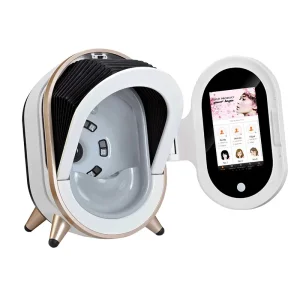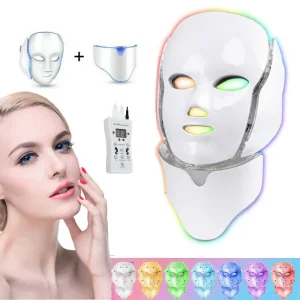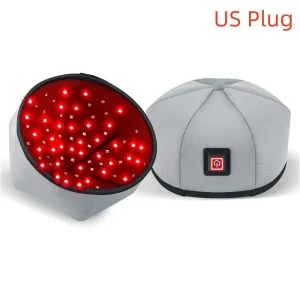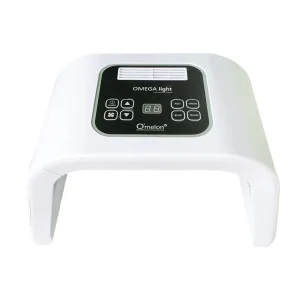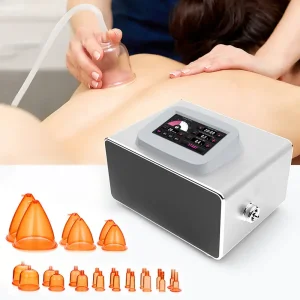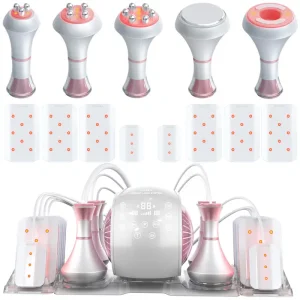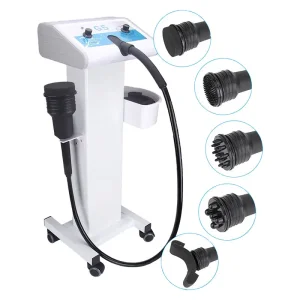
Leading Clinical & Spa Platforms
Explore factory-direct aesthetic machinery manufactured under strict ISO 13485 quality standards for worldwide medical aesthetic distributors.
Global Microdermabrasion Market Dynamics & OEM Manufacturing Overview
An authoritative analysis of technical shifts, procurement expectations, and supply chain scalability in professional skin resurfacing hardware.
The global aesthetic hardware market is undergoing a structural transition. Non-invasive skin rejuvenation procedures—specifically microdermabrasion, hydro-dermabrasion, and mechanical diamond-peeling modalities—have solidified their position as fundamental clinical protocols across medical spas, dermatology centers, and wellness resorts worldwide. According to recent market analysis, the global microdermabrasion devices market is projected to reach $1.82 billion by 2030, propelled by accelerating demand for zero-downtime, non-ablative stratum corneum exfoliation.
For brand owners, equipment importers, and regional aesthetic distributors, securing a reliable OEM Microdermabrasion Machine Factory is no longer merely a procurement exercise—it is a core strategic lever. Modern aesthetic practice demands systems that deliver repeatable, precise negative pressure (vacuum suction) coupled with sterile, bio-compatible abrasive media or liquid vortex exfoliation. Original Equipment Manufacturers (OEMs) and Original Design Manufacturers (ODMs) based in advanced industrial clusters like Shenzhen and Guangzhou, China, now engineer over 75% of the world's professional dermabrasion machinery, offering unprecedented manufacturing speed, component quality, and cost efficiency.
Shift to Multi-Modality Platforms
Single-function crystal microdermabrasion units are rapidly yielding market share to 6-in-1 and 8-in-1 hydro-diamond platforms integrating ultrasonic scrubbers, RF skin tightening, cold hammers, and bio-microcurrent wands.
Precision Vacuum Motor Engineering
Leading OEM factories now utilize medical-grade, oil-less dual-diaphragm vacuum pumps capable of delivering steady negative pressures up to 100 kPa without overheating or pressure attenuation during prolonged spa operating hours.
Regulatory Compliance & Certification
International buyers require OEM partners with robust ISO 13485 quality management systems, CE (MDD/MDR) compliance, RoHS eco-certifications, and FDA 510(k) cleared housing materials to guarantee seamless market access.
Microdermabrasion Technology Paradigms: Diamond vs. Crystal vs. Hydro
Understanding internal mechanical architecture, fluid dynamics, and tip physics allows procurement managers to select optimal OEM configurations.
Microdermabrasion operates on the mechanical principle of non-invasive epidermal abrasion. By lifting dead corneocytes from the stratum corneum, the procedure stimulates dermal microcirculation, activates fibroblast cell proliferation, and enhances transdermal absorption of active cosmetic serums. However, the physical mechanism of exfoliation varies significantly across system architectures.
| Technology Paradigm | Exfoliation Mechanism | Vacuum Pressure Range | Consumables Required | Ideal Clinical Application | OEM Unit Cost Index |
|---|---|---|---|---|---|
| Diamond-Tip Microdermabrasion | Natural/Synthetic laser-cut diamond grit wands (70 to 240 grit) | 0 – 80 kPa (0–600 mmHg) | Reusable diamond tips, cotton filters | Targeted hyperpigmentation, shallow acne scars, coarse skin texture | Standard (Cost-Effective) |
| Crystal Microdermabrasion | Pressurized stream of Aluminum Oxide ($Al_2O_3$) or Sodium Bicarbonate crystals | 20 – 65 kPa | Medical-grade abrasive crystals, disposable collection canisters | Deep epidermal resurfacing, severe photodamage, oily thick skin | Moderate |
| Hydro / Aqua Dermabrasion | High-velocity fluid vortex combined with spiral abrasive tips & fluid extraction | 0 – 100 kPa (Dual Pump) | Specific AHA/BHA exfoliating serums, disposable spiral tips | Sensitive skin, congested pores, deep hydration, express facials | Premium High-Demand |
| Bio-Microcurrent Hydro Hybrid | Fluid suction combined with low-frequency electrical stimulation (20Hz-400Hz) | 0 – 90 kPa | Conductive solutions, multi-polar tips | Anti-aging lifting, facial muscle toning, collagen synthesis | Enterprise Multi-Tool |
Vacuum System & Flow Control Engineering
The core engine of any microdermabrasion platform is its pneumatic suction circuit. Industrial-grade China OEM factories engineer vacuum systems using brushless DC diaphragm pumps. Brushless motors prevent carbon dust contamination in high-end medical environments, reduce acoustic noise under 55 dB, and offer operational lifespans exceeding 10,000 continuous work hours. Precise vacuum regulation via solenoid valves ensures smooth pressure adjustment without sudden spikes that could cause skin bruising or capillary trauma.
Liquid Fluidics & Anti-Clogging Systems
In hydro-microdermabrasion equipment, fluidic architecture is critical. Premier OEM manufacturers design dual-stage anti-backflow manifolds with automatic self-cleaning flush cycles. By pulsing clean water or ethanol through internal tubing upon power-off, these systems eliminate serum crystallization, mineral buildup, and bacterial biofilm formation—drastically reducing warranty claim rates for international equipment distributors.
China OEM Industrial Efficiency: The Shenzhen & Guangdong Manufacturing Advantage
Why leading global aesthetic device brands rely on Chinese factory clusters for fast prototyping, supply chain integration, and scalable mass production.
The Pearl River Delta region in Guangdong Province—specifically Shenzhen, Dongguan, and Guangzhou—serves as the world’s most advanced ecosystem for electronic hardware, precision molding, and medical device assembly. For international buyers seeking custom microdermabrasion machines, partnering directly with a qualified Chinese OEM factory delivers distinct structural advantages:
Complete Component Supply Chain
From high-grade ABS injection-molded casings and medical silicon hosing to TFT HD touchscreen panels and micro-stepping motor drivers, 98% of components are sourced within a 50-kilometer radius, drastically reducing manufacturing lead times.
Rapid Prototype Iteration
Advanced Chinese OEM factories can transform a conceptual 3D CAD drawing into a functional working prototype within 14 to 21 days. In-house CNC machining and rapid tooling allow brands to validate new industrial designs ahead of market competitors.
Rigorous QA & Burn-In Testing
Top-tier factories execute 72-hour continuous vacuum stress testing, fluid leak detection under elevated pressures, electro-static discharge (ESD) testing, and thermal imaging checks before final export packaging.
Localized Commercial Scenarios & Operational Use-Cases
Tailoring microdermabrasion machine specifications to meet diverse regional facility requirements and business models.
Medical Aesthetic Clinics & Dermatology Practices
Key Requirements: High vacuum power (up to 100 kPa), medical CE/FDA clearance, precise diamond tip grading, integrated skin diagnostics.
Clinical dermatologists utilize high-output microdermabrasion platforms as preparatory treatments prior to fractional laser, IPL therapy, or chemical peels. Removing stratum corneum debris reduces optical reflection and allows deeper laser energy penetration.
Commercial Day Spas & Franchise Wellness Chains
Key Requirements: Multi-functionality (Hydro + RF + LED), low noise output (<50 dB), intuitive UI touchscreens for aesthetician operation, rapid tip sanitization.
High-turnover day spas rely on versatile 7-in-1 hydro-dermabrasion stations to deliver express 30-minute "Hydra-Facials", maximizing treatment room revenue per hour while keeping consumable costs under $3 per procedure.
Portable Mobile Practitioners & Home-Care Retail Brands
Key Requirements: Compact desktop footprint (<8 kg), dual-voltage universal power supplies (110V-240V), robust ABS travel-casing, intuitive preset modes.
Concierge aestheticians and direct-to-consumer medical brands leverage compact OEM diamond dermabrasion units engineered for portability without compromising core vacuum performance.
OEM / ODM Customization Options & Sourcing Framework
A step-by-step checklist for purchasing officers to evaluate factory capabilities and configure custom product lines.
1. Exterior Chassis & Industrial Design
- Custom injection mold tooling for proprietary outer shell shapes.
- Pantone-matched chassis color coatings (metallic matte, high-gloss white, medical slate).
- Laser-engraved or silk-screened brand logo application on housing and handpieces.
- Customized acrylic handpiece holder racks and ergonomic trolley stands.
2. Software UI & Firmware Localization
- Custom boot-up logo screens and animated GUI interfaces.
- Multi-language software packs (English, Spanish, German, French, Arabic, Russian).
- Smart treatment protocols pre-programmed for specific skin Fitzpatrick types.
- Integrated client management software with skin analysis photo storage.
3. Internal Modular Hardware Integration
- Choice of pump power: Single diaphragm (45 kPa) vs. Dual brushless motor (85–100 kPa).
- Module selection: Hydro Dermabrasion, Diamond Peeling, Bipolar RF, Cold Hammer, Oxygen Spray, Ultrasound, PDT Light.
- Upgraded medical-grade silicone tubing rated for chemical disinfectant exposure.
4. Private Label Packaging & Documentation
- Custom flight-case or reinforced drop-test compliant export carton packaging.
- Branded user manuals, quick-start operating guides, and clinical protocol manuals.
- CE Declaration of Conformity and product testing reports carrying distributor OEM name.
Next-Generation Industry Trends: 2025 and Beyond
Anticipating technological convergence in smart microdermabrasion manufacturing.
As artificial intelligence and smart sensor technology permeate the aesthetics sector, microdermabrasion equipment is evolving from pure mechanical exfolators into intelligent skin diagnostic and therapy systems. Forward-thinking OEM factories are embedding the following innovations into their R&D roadmaps:
AI Smart Pressure Sensing
Real-time skin resistance sensors embedded inside the handpiece automatically modulate vacuum suction intensity based on epidermal thickness—preventing petechiae on sensitive orbital skin while optimizing suction over thick nasal zones.
Closed-Loop Serum Filtration
Eco-friendly multi-pass micro-filtration systems purify spent liquid solutions, separating exfoliated cellular debris while retaining active peptide vehicle bases, aligning with global spa sustainability directives.
Diagnostic Optical Integration
Combining 50x polarized macro-cameras directly into hydro tips allows practitioners to show clients before-and-after pore congestion photos on-screen in real time, driving spa treatment retention rates.
Frequently Asked Questions for OEM Buyers
Expert technical and commercial answers for equipment importers, brand developers, and supply chain directors.
What is the typical Minimum Order Quantity (MOQ) for custom OEM microdermabrasion machines?
For standard logo customized units (laser logo on housing, custom software boot screen), MOQ typically starts at 5 to 10 units. For full industrial design customization (custom plastic mold tooling, unique exterior casing colors, custom PCB design), MOQ generally ranges between 50 to 100 units depending on factory tooling agreements.
How do diamond-tip microdermabrasion tips differ in quality between manufacturers?
High-quality diamond tips utilize electroplated natural or high-grade synthetic diamond particles bonded to surgical-grade stainless steel wands. Inferior manufacturers use glued glass crystals that degrade quickly and can detach during treatment. Professional OEM factories provide laser-engraved grit ratings (e.g., D70, D100, D150, D180, D220) and guarantee tip integrity through 100+ autoclave sterilization cycles.
What international medical and safety certifications are necessary for importing microdermabrasion hardware?
Importers in the European Union require CE Certification under the Medical Device Regulation (MDR 2017/745) or Low Voltage Directive (LVD) / Electromagnetic Compatibility (EMC) for aesthetic cosmetic grade devices. For the United States, FDA Class I or Class II 510(k) clearance may be required depending on intended clinical claims. Reputable China factories maintain ISO 13485 quality system certification to facilitate global distributor customs clearance.
How is vacuum pump lifespan ensured in continuous spa operation environments?
Factory durability is maintained by integrating heavy-duty brushless pumps equipped with dual cooling fans and internal heat sinks. Additionally, inline hydrophobic air filters are installed before the pump intake to prevent micro-droplets of serum or exfoliation dust from entering the motor chamber, preventing pump seizure and maintaining stable suction pressure.
What is the lead time for OEM sample production and full mass production batches?
Sample production with customized logo and software typically takes 7 to 12 working days. Mass production batch orders (50 to 200 units) require 20 to 30 calendar days, accounting for precision component assembly, 72-hour burn-in stress testing, and final quality control sign-off.
Explore More OEM/ODM Aesthetic Equipment Solutions
Expand your product portfolio with complementary body contouring, facial diagnostic, laser, and phototherapy systems direct from manufacturer.