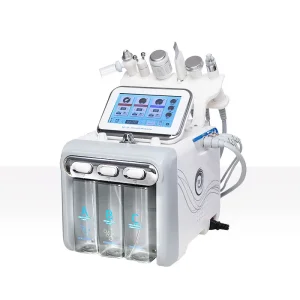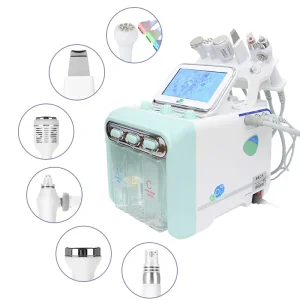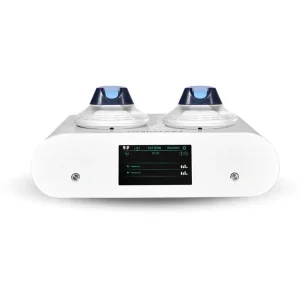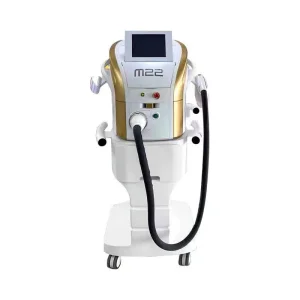
Featured Professional Beauty Equipment Systems
Direct-from-factory certified aesthetic hardware engineered for high-turnover clinical practices and global distributors.
Navigating the Economics of OEM Facial Laser Hair Removal Equipment
The global demand for medical-grade facial laser hair removal has experienced exponential growth, driven by consumer preferences for non-invasive, permanent hair reduction across delicate facial zones—including the upper lip, chin, jawline, cheeks, and male beard shaping. For B2B buyers, aesthetic clinic franchises, and medical device distributors, understanding the true OEM Laser Hair Removal Face Cost requires looking beyond the initial landed unit price.
Facial hair removal poses unique optical and thermodynamic challenges. Unlike body hair, facial follicles vary significantly in depth (from shallow 1.5mm vellus hair to deep 4.5mm androgenic chin hair) and melanin density. Consequently, high-performance OEM diode systems manufactured in China must integrate multi-wavelength arrays (755nm, 808nm, 1064nm), precise short pulse duration controls (under 10ms), and advanced contact sapphire cooling systems.
Strategic Takeaway for B2B Procurement
Sourcing directly from a qualified Shenzhen OEM factory eliminates distributor markups (often 200% to 400%), allowing brand owners to procure medical-grade diode platforms featuring German micro-channel laser bars at a fraction of Western manufacturing costs—without sacrificing pulse energy integrity or clinical safety standards.
Deconstructing the OEM Laser Hair Removal Face Cost Structure
An analytical breakdown of factory Bill of Materials (BOM), custom engineering overheads, and long-term Total Cost of Ownership (TCO).
1. Core Optical Components
The primary driver of factory cost is the laser engine. Premium OEM builds use micro-channel or macro-channel gold-tin diode stacks imported from Jenoptik (Germany) or Coherent (USA). Higher power outputs (1200W to 2400W) increase initial BOM cost by 25-40% but provide superior fluence needed for fine facial hair.
2. Thermal Management Systems
Facial treatments demand non-stop contact cooling to protect epidermal basal layers. OEM integration of dual-stage TEC (Thermoelectric Cooler) modules, Japanese DC water pumps, and oversized copper radiators accounts for 15-20% of system cost, ensuring sapphire tip temperatures stay at -10°C to -15°C.
3. Custom Tooling & Software UI
Private-labeling involves custom housing molds (ABS/aluminum metal casting), custom UI branding, Android OS intelligent software customization, and cloud-connected user management systems. Initial OEM setup fees vary based on order volume and tooling exclusivity.
Commercial Cost & Technical Benchmark Matrix
| Equipment Tier | Avg. OEM Factory Cost (FOB) | Diode Power / Engine Specs | Target Facial Application | Expected Bar Lifespan | Typical MedSpa Treatment Price |
|---|---|---|---|---|---|
| Entry Portable OEM | $1,800 – $2,800 | 600W – 800W (Single 808nm) | Upper lip, chin, basic touch-ups | 20 Million Shots | $50 – $100 / session |
| Professional Vertical OEM | $3,200 – $5,500 | 1200W – 1600W (Tri-Wave 755/808/1064) | Full face, fine vellus, female jawline | 50 Million Shots | $120 – $250 / session |
| Medical-Grade Flagship OEM | $6,000 – $9,800 | 2000W – 3000W (Quattro-Wave + AI Skin Sensor) | Dense male beard, all Fitzpatrick skin types | 100 Million Shots | $200 – $450 / session |
Why Global Buyers Source Facial Laser Hardware from Shenzhen Factories
Shenzhen, China has evolved into the world's premier epicenter for advanced optoelectronic and medical aesthetic device manufacturing. The local ecosystem combines complete supply-chain integration—from precision CNC chassis milling to SMT circuit board manufacturing and optical lens coating—within a 50-kilometer radius.
- Direct Factory Procurement: Cut out multi-tier distribution markups and negotiate directly with R&D engineering teams.
- Agile OEM/ODM Customization: Rapid prototyping of custom casing, software interfaces, and targeted spot-size applicators.
- ISO 13485 & Cleanroom Production: Class 10,000 dust-free optical assembly rooms guarantee zero bar contamination and long laser life.
OEM/ODM Customization Workflow
From concept brief to commercial export clearance in 5 structured phases:
Selecting power rating, spot size (e.g., 12x12mm for face), body color & logo positioning.
Creating CAD enclosure models, heat-dissipation simulations, and UI wireframes.
72-hour continuous burn-in testing, energy meter calibration, and pressure testing TEC cooling systems.
CE, FDA 510(k) file preparation, RoHS reports, and flight-case aluminum packaging.
Thermodynamics of Facial Laser Hair Removal
Understanding Selective Photothermolysis in delicate facial zones to maximize efficacy while avoiding side effects.
755nm Alexandrite Wavelength
Offers maximum melanin absorption. Essential for fine, light-colored vellus hair on the upper lip and cheeks (Fitzpatrick Skin Types I-III). OEM devices combining 755nm shorten total facial session requirements by up to 30%.
808nm Standard Gold Wavelength
The golden standard for general facial hair removal. Balances deep follicular penetration (up to sub-dermal levels) with moderate melanin absorption, providing safe, effective treatments across Fitzpatrick Types I-V.
1064nm Nd:YAG Wavelength
Characterized by lower melanin absorption and deep tissue penetration. Perfect for dark or tanned skin (Fitzpatrick Type VI) and coarse male facial beard sculpting without risking post-inflammatory hyperpigmentation (PIH).
Facial Tip Applicator Ergonomics
Standard body applicators (24x12mm) are often too bulky for facial contours like the philtrum (upper lip) or earlobes. Advanced OEM factory designs include magnet-attachable facial tip adapters (6mm facial pin-point tips) that funnel laser energy precisely into small anatomic zones while maintaining active contact cooling.
Procurement Demands & International Standards
Meeting market entry barriers across North America, Europe, the Middle East, and Latin America.
European Union (MDR & CE)
The European market requires strict compliance with Medical Device Regulation (MDR 2017/745) and CE 0197 standards. OEM factories must provide full Technical Files, EMC emission reports, and LVD electrical safety validation to allow distributors to sell legally across EU member states.
North America (FDA 510k Clearance)
For US distributors, bringing an OEM diode laser to market mandates FDA Class II listing and 510(k) clearance demonstrating predicate device equivalence. Leading China manufacturers maintain pre-filed 510(k) master files to expedite private-label customer registrations.
Middle East & GCC Region
The GCC aesthetic market experiences high demand for dense beard shaping and dark skin treatment capability. Equipment imported into UAE (MOHAP) or Saudi Arabia (SFDA) demands robust cooling systems rated to withstand high ambient clinic temperatures without triggering thermal shutdown.
Latin America (ANVISA & COFEPRIS)
Emerging markets such as Brazil and Mexico require ANVISA and COFEPRIS registrations. Buying OEM hardware with modular, easily swappable power units and localized Spanish/Portuguese UI software significantly accelerates local market penetration.
Future Trends in OEM Facial Laser Manufacturing
Key technological shifts reshaping the aesthetic hardware manufacturing landscape over the next 5 years.
AI Skin Tone & Density Sensors
Next-generation handpieces feature built-in optical cameras and skin melanin sensors that automatically assess skin tone and follicle density in real-time, instantly recommending precise energy fluences to prevent burns.
Quattro-Wavelength Arrays
Moving beyond tri-wavelength diode technology, upcoming OEM systems integrate 940nm into the laser stack, targeting micro-vasculature feeding the hair papilla to achieve permanent hair reduction in fewer sessions.
IoT Cloud Fleet Management
OEM Android interfaces now sync shot usage, error logs, component health, and client treatment records directly to cloud dashboards, allowing distributors to offer rental-based business models and remote maintenance.
Frequently Asked Questions: OEM Laser Procurement
Direct answers for B2B buyers, distributors, and clinic owners comparing factory options.
Explore Additional OEM Aesthetic Platforms
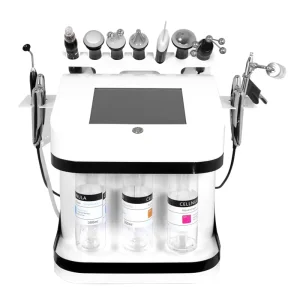
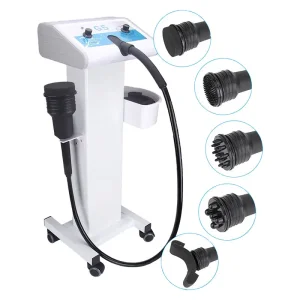
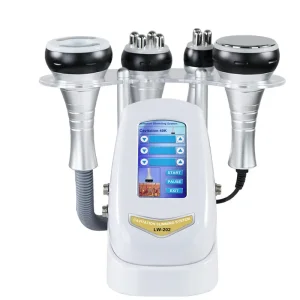
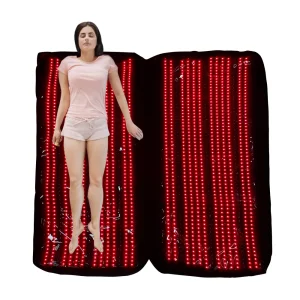
Expand your clinic treatment menu with factory-direct solutions for microdermabrasion, body sculpting, and light therapy.