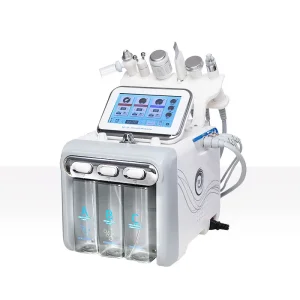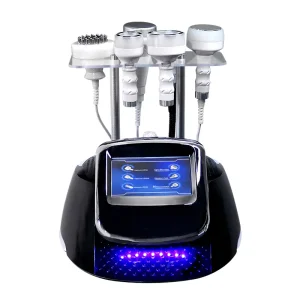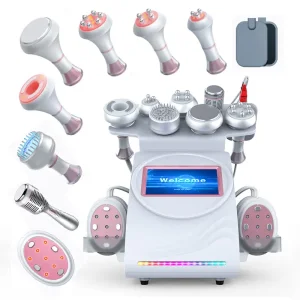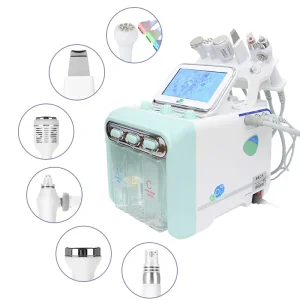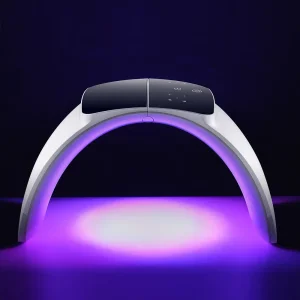
Featured B2B Aesthetic Equipment & Technology Lines (1-8)
Explore our top factory-direct body contouring, medical aesthetic, and personal care solutions manufactured under ISO 13485 quality standards.
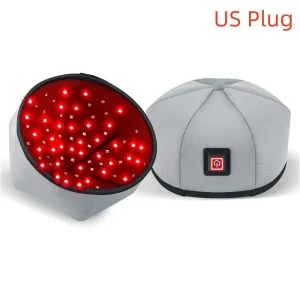
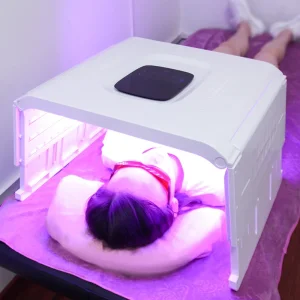
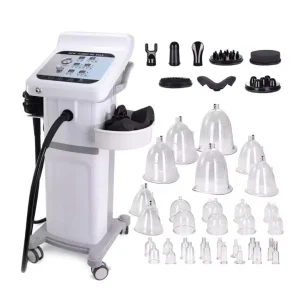
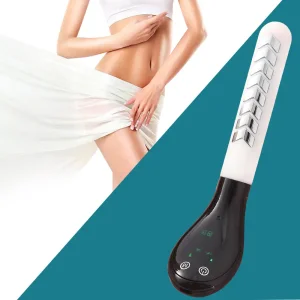
Executive Analysis: B2B Sourcing Economics for OEM Emsculpt Neo Systems
Navigating the commercial landscape of high-intensity electromagnetic body sculpting equipment require deep insight into engineering costs, OEM factory pricing models, and market margin opportunities.
Capital Expenditure Arbitrage
While brand-name medical systems command retail prices between $180,000 and $240,000 USD with steep software licensing and card activation fees, direct source OEM Emsculpt Neo manufacturing costs range from $2,500 to $8,500 USD depending on pulse coil density, continuous duty liquid cooling, and synchronized RF integration.
Dual-Energy Tech Integration
The core technological shift lies in combining HIFEM (High-Intensity Focused Electromagnetic Energy) delivering up to 7–13 Tesla of magnetic flux density with simultaneous 2.78 MHz Synchronized Radiofrequency (RF) thermal energy to optimize fat apoptosis and muscle hypertrophy in a single 30-minute procedure.
ROI & Consumable Independence
Unlike distributor models that lock practices into $200–$400 consumable smart card costs per session, purchasing direct from China OEM factories provides unlocked software firmware with unlimited shot cycles, allowing MedSpas to recover capital investment within 30–60 operational days.
Detailed OEM Cost Architecture & Component Bill of Materials (BOM)
To accurately evaluate factory pricing for OEM Emsculpt Neo machines, procurement managers must analyze hardware specifications, mainboard engineering, cooling loops, and applicator construction.
| Specification Tier | HIFEM Output (Tesla) | RF Frequency & Power | Cooling Architecture | Est. OEM Factory Cost | Target Market Application |
|---|---|---|---|---|---|
| Entry OEM Portable | 3.5 – 5.0 Tesla | 1.0 MHz Continuous / 150W | Air-Cooled Axial Fans | $1,800 – $2,800 USD | Mobile Aesthetics & Small Spas |
| Standard Commercial Dual-Handle | 7.0 – 9.0 Tesla | 2.0 MHz Synchronized / 300W | Closed Loop Liquid + Radiator | $3,200 – $4,800 USD | Established Beauty Salons & Clinics |
| High-Performance 4-Handle + Pelvic | 10.0 – 13.0 Tesla | 2.78 MHz Synchronized / 500W | Dual-Radiator Active Refrigeration | $5,200 – $7,500 USD | High-Volume MedSpas & Chains |
| Custom ODM Medical-Grade Platform | 13.0+ Tesla Peak | 2.78 MHz Multi-Phase / 800W | Compressor Chilled Liquid Cooling | $8,000 – $12,500 USD | Global Aesthetic Brands & Hospitals |
Critical Cost Drivers: Copper Coils & IGBT Modules
The single most crucial hardware element determining machine longevity and real Tesla output is the internal applicator coil. Premium Chinese OEM manufacturers utilize 1.5mm high-purity oxygen-free copper wire coils wound with oil-immersed insulation. Cheap alternatives use aluminum-copper alloys that overheat within 8 minutes of continuous 100% intensity operation.
Active Refrigeration vs. Basic Liquid Circulation
Sub-standard factories cut costs by using basic PC water-cooling radiators. Professional OEM Emsculpt Neo factories integrate compressor-driven active refrigeration loops maintaining coolant temperatures under 32°C. This prevents thermal protection shutdowns, permitting back-to-back patient treatments across 12-hour clinic operational cycles.
The China Manufacturing Ecosystem: Shenzhen & Guangdong Supply Clusters
China produces over 80% of the world’s non-invasive aesthetic equipment chassis, power supplies, and control boards. Sourcing directly from Guangming District, Shenzhen, and surrounding Guangdong hubs offers distinct technological and economic advantages.
Supply Chain Velocity
Within a 50-kilometer radius in Guangdong, raw materials ranging from high-voltage energy storage capacitors (Nichicon/Rubycon equivalent) to CNC machined aluminum applicator housings are sourced within 48 hours, enabling rapid 7-day OEM prototyping.
Advanced PCB & Control Board Engineering
Chinese factories excel in developing custom micro-controllers capable of frequency-sweeping algorithms. This ensures smooth transitions between muscle contraction phases (warm-up, hyper-contraction, lactic acid discharge, and recovery cooling).
Mass Production Scale Economics
Automated SMT assembly lines and injection molding facilities significantly drive down unit costs, allowing OEM partners to enjoy gross profit margins exceeding 300% to 600% when retailing branded devices globally.
Localization Support & Global Regulatory Compliance Safeguards
Expanding an aesthetic device brand into overseas jurisdictions demands strict adherence to electrical safety, medical device directives, and localized customer experience standards.
CE MDR & LVD/EMC Testing
Factory OEM units undergo rigorous testing under EN 60601-1 (Electrical Safety) and EN 60601-1-2 (Electromagnetic Compatibility), guaranteeing seamless customs clearance across the EU and Latin America.
Multi-Language GUI Localization
Pre-installed system software supports over 15 distinct languages (English, Spanish, German, French, Portuguese, Arabic, Russian, Japanese, Korean) with custom brand splash screens and tailored treatment protocols.
Dual Voltage Grid Adaptation
Internal high-frequency power supplies auto-switch or convert seamlessly between 110V/60Hz (North America) and 220V/50Hz (Europe/Asia), preventing transformer burnout and electrical grid instability.
Spare Parts Depots & Local Support
Leading OEM suppliers provide modular mainboards, quick-connect liquid lines, and extra applicator shells to local distributor maintenance hubs for fast field-replacement within 24–48 hours.
Aesthetic Industry Trends & Future Tech Innovations (2025–2030)
Understanding upcoming technological shifts helps OEM buyers invest in platforms that remain competitive over a 5-to-10-year device life cycle.
AI Muscle Impedance & Real-Time Tuning
Next-gen OEM platforms feature smart sensors inside the applicator that analyze client muscle mass impedance and skin hydration in real time, automatically auto-adjusting RF power and Tesla pulsing for optimal safety and comfort.
Synchronized Multi-Zone Applicators
The industry is transitioning from dual-handle systems to 4-handle synchronous and 5-handle configurations (including pelvic floor stimulation cushions). This allows clinicians to target abdomen, flanks, arms, and thighs simultaneously in a single session.
Hybrid Multi-Energy Stacks
Future body sculpting trends integrate HIFEM + RF alongside Low-Level Laser Therapy (LLLT) or Vacuum Lymphatic Drainage built directly into the applicator head to further accelerate triglyceride clearance through the lymphatic system.
Localized Commercial Application Scenarios & Revenue Deployment
OEM Emsculpt Neo devices provide high versatility across diverse clinical and commercial aesthetic business models.
Medical Aesthetic Clinics
High-end clinics utilize 10+ Tesla OEM platforms as non-surgical alternatives to liposuction or tummy tucks, offering high-margin packages ($2,000–$4,000 USD per 4-session series) with minimal operator labor.
Postpartum Rehabilitation
Equipped with specialized seat applicators (HIFEM pelvic floor chairs), specialized rehab centers treat diastasis recti (abdominal separation) and pelvic floor dysfunction non-invasively.
Sports Recovery & Fitness
Luxury gym networks and athletic recovery institutes integrate supramaximal muscle stimulation to target stubborn muscle groups, speed up neuromuscular conditioning, and aid injury rehab.
Resort & Day Spa Upgrades
Day spas easily incorporate hands-free 30-minute body reshaping modules into existing body wrap or facial menus, maximizing treatment room yield per square meter.
Frequently Asked Questions (FAQ) for OEM B2B Buyers
Crucial operational, technical, and commercial answers for sourcing managers evaluating China OEM Emsculpt Neo manufacturing partners.
What is the actual OEM factory cost range for an Emsculpt Neo equivalent machine?
How do OEM machines handle software licensing and shot limits?
What is the Minimum Order Quantity (MOQ) for custom OEM branding?
How does synchronized RF work alongside HIFEM without causing RF interference?
What warranty and replacement parts support are provided by China factories?
What are the shipping, tariff, and customs clearance procedures?
Complete Product Catalog Showcase (9-16)
Review additional top-performing aesthetic equipment available for private label OEM/ODM ordering.