
Featured Medical & Aesthetic Equipment Portfolio
Precision-engineered platforms certified for international distributors, medical spas, and high-volume clinical operations.
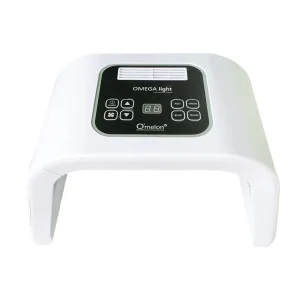
Buy 7 Colors LED Face Treatment Machine - China Suppliers & Factory
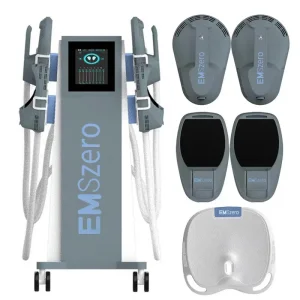
Custom China Suppliers HI-EMT Body Sculpting Machine Factory for RF Muscle Stimulator
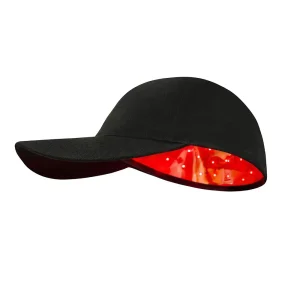
OEM VCSEL Laser Cap for Hair Regrowth with Factory Price Exporter
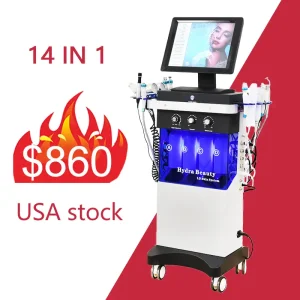
OEM Hydra Beauty Microdermabrasion Diamond Peeling Machine 14-in-1
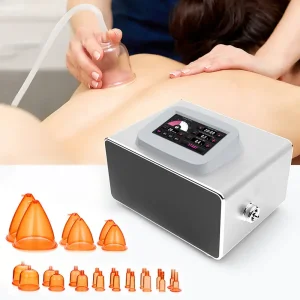
CE Certification China Vacuum Suction Butt and Breast Enhancer Machine
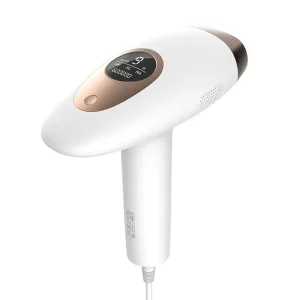
Custom China Suppliers Factory IPL Hair Removal Ice Cool Laser
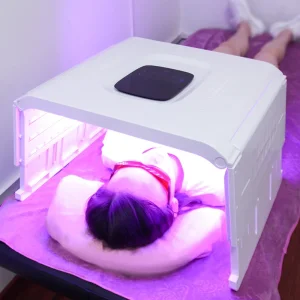
ODM 6 Color LED Light Therapy Device for Face & Body Anti-Aging Capsule
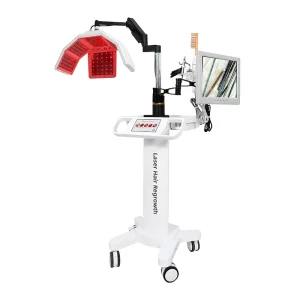
Buy China Supplier Diode Laser Hair Regrowth Machine Factory 650nm
Industrial Whitepaper: The Evolution of ODM Ultrasonic Cavitation Manufacturing
Deconstructing acoustic energy delivery, thermal dissipation physics, and supply chain maturity for global beauty equipment brands.
The non-invasive body sculpting sector has experienced an unprecedented technological shift. Medical aesthetic practices, beauty clinic networks, and global equipment distributors are moving away from commodity-grade, single-frequency slimming handhelds toward highly integrated, multi-frequency ODM (Original Design Manufacturing) ultrasonic cavitation platforms. Within this landscape, leading ODM factories in China have transitioned from basic assembly facilities into advanced engineering hubs capable of custom acoustic resonance tuning, real-time impedance dynamic tracking, and full-stack hardware-software customization.
Ultrasonic cavitation relies on localized high-intensity acoustic energy to induce micro-bubble formation within subcutaneous adipose tissue. When these acoustic micro-cavities reach a critical resonance radius, they violently implode—a phenomenon known as stable and transient acoustic cavitation. This implosion generates localized shockwaves and micro-jets that disrupt fat cell membranes (adipocytes) without causing thermal or mechanical damage to surrounding vascular, neural, or dermal structures. However, achieving consistent clinical efficacy while preserving long-term transducer reliability requires advanced engineering at the factory level.
Piezoelectric Resonance
Utilizing high-grade PZT-8 ceramic discs to maintain acoustic output stability under high duty-cycle clinic operations without thermal de-polarization.
Dynamic Frequency Hopping
Real-time algorithmic adjusting between 28kHz and 80kHz to target fat layers of varying density while eliminating acoustic standing waves.
Synergistic Multi-Modalities
Seamless integration of multipolar Radio Frequency (RF), vacuum lymphatic suction, and 635nm diode lasers within a unified control architecture.
Engineering Roadmap & Future Technology Outlook
Next-generation acoustic physics, AI-driven impedance matching, and hybrid cavitation-HIFU array designs.
As brands compete for differentiation, ODM suppliers are pioneering breakthrough engineering solutions to resolve legacy technical pain points: transducer overheating, acoustic attenuation, erratic energy delivery, and operator fatigue. The technology roadmap for ultrasonic cavitation equipment spans three key engineering vectors:
1. AI-Driven Auto-Tuning Generators
Traditional cavitation generators operate on fixed frequency quartz oscillators. Next-gen ODM platforms incorporate high-speed Digital Signal Processors (DSPs) that continuously monitor load impedance at the transducer head. When fat tissue density changes or gel thickness varies, the DSP auto-tunes the frequency within ±2kHz in milliseconds, keeping the transducer locked at peak acoustic resonance.
2. Dual-Layer Composite PZT Transducers
To eliminate acoustic power decay over extended operation, advanced factories utilize PZT-8 ceramic elements coupled with aircraft-grade aluminum/titanium alloy horn matching layers. This design increases acoustic conversion efficiency to >92% while maintaining surface temperature below 41°C without requiring heavy water-cooling loops.
3. Focused Cavitation Matrix Arrays
Moving beyond unfocused planar transducers, emerging ODM designs leverage concave multi-emitter arrays. These arrays focus acoustic shockwaves at predetermined focal depths (e.g., 1.5cm, 2.5cm subcutaneous layer), drastically reducing skin-surface acoustic pressure while maximizing deep adipose tissue destruction.
Information Gain Metric: Standard market 40kHz machines suffer up to 35% power loss after 20 minutes of operation due to thermal drift in low-cost PZT ceramics. High-tier ODM suppliers utilizing automated thermal-compensated frequency control keep power variance under ±3% across 12-hour operational cycles.
ODM Architectural Benchmark: Transducer & Generator Technologies
| Architecture Parameter | Entry-Level Commodity Factory | Tier-1 ODM Engineering Standard | Next-Gen AI ODM Platform |
|---|---|---|---|
| Transducer Material | PZT-4 Standard Ceramics | PZT-8 High-Q Power Piezoelectric | Single-Crystal PZT + Titanium Alloy Horn |
| Frequency Range | Static 40kHz (Fixed) | Dual 28kHz / 40kHz Manual Switch | 25kHz - 80kHz Swept / Dynamic DSP Matching |
| Acoustic Conversion Efficiency | 60% - 68% | 82% - 88% | >93% Active Thermal Compensated |
| RF Integration | Analog 1MHz (Unshielded) | Digital Multi-Polar 3MHz - 5MHz | Vacuum-Coupled Dynamic Frequency RF (1-10MHz) |
| Continuous Duty Cycle | 30-45 Minutes Max | 8 Hours Continuous | 24/7 Heavy Commercial Duty Cycle |
Macro Industry Solutions: Custom Engineering for Target Verticals
Tailored ODM system configurations designed for medical aesthetic chains, franchise spa networks, and retail brand owners.
Medical Spa & Clinic Chains
Requires heavy-duty continuous operating capability, quiet acoustic damping (<55dB), modular quick-connect handpieces, and multi-user RFID operator tracking software. Solutions feature industrial medical power supplies with strict leakage-current shielding.
Private-Label Global Brands
Requires complete aesthetic housing customization (custom tooling injection molding), customized GUI skin design, localized multilingual UI, and standardized packaging ready for international distribution and regional warehousing.
Combination Slimming Centers
Demands multi-technology platforms combining 40kHz Cavitation, 6-Pole RF, Vacuum Suction, and EMS Muscle Stimulation in a single chassis to deliver end-to-end fat reduction, lymphatic drainage, and skin tightening protocols.
Synergistic Multi-Technology Integration Workflow
Modern clinical efficacy rarely relies on cavitation alone. Leading ODM factories design holistic treatment workflows into the system software and hardware control boards:
- Step 1: Deep Cavitation Disruption (28kHz - 40kHz): Targeting thick adipose layers (abdomen, thighs) to destabilize lipid membranes.
- Step 2: RF Thermal Collagen Toning (3MHz - 5MHz): Heating the dermal layer to 42°C-45°C to induce immediate collagen contraction and stimulate neocollagenesis.
- Step 3: Vacuum Negative-Pressure Drainage (80kPa - 100kPa): Accelerating cellular debris removal via lymphatic pathways while breaking down fibrous cellulite bands.
- Step 4: Photodynamic LED Auxiliary Therapy (635nm): Permeabilizing adipocyte membranes and facilitating ATP hydrolysis for cellular recovery.
China Industry 4.0: Supply Chain Resilience & Manufacturing Superiority
How Shenzhen and Guangdong electronics ecosystems empower global brands with rapid iteration, precision quality control, and cost scale.
China's Guangdong-Shenzhen manufacturing cluster represents the world's most concentrated aesthetic equipment supply chain. Sourcing from a tier-1 ODM factory in this region grants international procurement teams structural competitive advantages that cannot be duplicated elsewhere:
In-House Tooling & Rapid Prototyping
From initial 3D industrial rendering to high-precision CNC prototype modeling and injection mold creation within 25 days. Rapid prototyping reduces product launch cycles by over 60% compared to Western manufacturing lines.
Automated Quality Assurance (QA)
Every motherboard undergoes Automated Optical Inspection (AOI) and SMT component testing. Fully assembled cavitation handles undergo 72-hour continuous burn-in under ultrasonic hydrophone power output measurement to verify zero acoustic degradation.
Direct Component Sourcing Matrix
Direct supply agreements for medical-grade power modules (MeanWell), Swiss motor pumps for vacuum systems, and military-grade PZT ceramics ensure superior bill-of-materials (BOM) cost efficiency without compromising safety.
Global Enterprise Procurement & Vendor Evaluation Matrix
Critical audit criteria for B2B buyers evaluating ODM ultrasonic cavitation machine manufacturers.
When selecting an ODM manufacturing partner in China, global purchasing directors must evaluate suppliers beyond initial FOB pricing. Technical competence, regulatory readiness, and intellectual property protection form the foundation of a successful partnership:
1. Acoustic Calibration & Hydrophone Verification
Does the factory possess underwater acoustic hydrophone testing chambers to measure peak spatial peak temporal average intensity (ISPTA)? Without hydrophone verification, nominal wattage claims are often inaccurate.
2. Thermal Management Architecture
Review the internal chassis layout. High-quality systems isolate the high-voltage RF/cavitation mainboard from the vacuum pump and power supply using dedicated airflow cooling tunnels and dual ball-bearing fans.
3. IP & Firmware Security
Ensure the ODM factory offers MCU code locking and encrypted mainboards to prevent unauthorized cloning of your proprietary user interface graphics, treatment algorithms, or system software.
Localization Support & Global Regulatory Compliance
Navigating international medical-device standards, electrical safety certifications, and localized branding requirements.
Exporting high-tech beauty hardware globally requires strict compliance with regional regulatory bodies. Professional ODM factories provide comprehensive technical documentation packages (Technical Files / Design History Files) to expedite buyer registration processes:
CE MDD / MDR & LVD / EMC
Compliance with EU Directive 2014/30/EU for Electromagnetic Compatibility and 2014/35/EU for Low Voltage Safety (IEC 60601-1-2 medical standards).
US FDA 510(k) Pathway Support
Factory support for FDA facility registration, Device Master File (DMF) documentation, and 510(k) predicate device technical comparisons for Class II aesthetic devices.
Multilingual UI & Local Voltage
Pre-installed UI support for 12+ languages, 110V/220V dual voltage switching, and regional plug standardization (EU, US, UK, AU, JP) with localized user manuals.
Frequently Asked Questions (FAQ) for ODM Sourcing
Comprehensive engineering and procurement answers for distributor purchasing managers and clinic group buyers.
What is the key technical difference between 28kHz, 40kHz, and 80kHz cavitation machines?
Frequency directly dictates acoustic penetration depth and cavitation intensity. A lower frequency like 28kHz creates larger acoustic bubbles that generate stronger implosion shockwaves, making it optimal for deep, dense visceral and subcutaneous fat layers in larger body areas. 40kHz is the industry benchmark, balancing penetration depth (approx. 1.5cm - 2.0cm) and safety for general abdominal and thigh treatments. 80kHz generates micro-cavitation bubbles suitable for delicate superficial fat layers or facial contours with minimal auditory buzzing for the patient.
How does an ODM factory prevent the uncomfortable "tinnitus" (ear ringing) sound for patients during treatment?
The audible ringing sound experienced by patients occurs when sub-harmonic vibration frequencies conduct through bodily bone structures to the auditory nerve. Professional ODM manufacturers mitigate this by implementing swept-frequency modulation algorithms (rapidly varying frequency within a tight bandwidth) and acoustic isolation dampeners inside the handpiece housing. This breaks up harmonic conduction without reducing adipose-disruption energy.
What is the typical Minimum Order Quantity (MOQ) and lead time for a full ODM project?
For standard OEM logo branding on existing chassis, MOQs typically range from 5 to 10 units with lead times of 7-12 working days. For complete ODM customization (custom injection mold chassis, proprietary PCB board architecture, custom GUI software), MOQs usually range from 50 to 100 units. Prototype engineering samples are delivered within 25-30 days, followed by mass production cycles of 20-25 days.
What testing procedures are used to verify transducer longevity and power output?
Tier-1 ODM suppliers subject all transducers to a rigorous three-stage verification process: 1) Electrical Impedance Spectroscopy using precision analyzer meters to ensure optimal Q-factor resonance; 2) Hydrophone Acoustic Intensity Scanning in degassed water tanks; and 3) 72-hour continuous thermal load stress tests inside environmental test chambers to confirm zero depolarization of PZT elements under high heat.
How are warranty claims, field maintenance, and modular spare parts handled globally?
High-end ODM suppliers design hardware on modular architecture principles (plug-and-play mainboards, modular power supplies, detachable applicator hoses). In the event of a technical fault, real-time remote engineering diagnostics identify the affected module, and replacement field units are dispatched via express courier (DHL/FedEx) within 48 hours under warranty protection (typically 1-3 years).
Advanced Aesthetics & Slimming Device Catalog
Explore our complete OEM/ODM product series manufactured under strict ISO 13485 quality standards.
CE Certification HI-EMT Body Sculpting Machine from China Suppliers
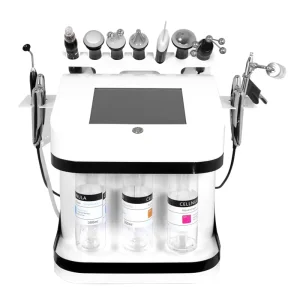
ODM China Supplier Factory Black Pearl Hydra Dermabrasion Machine
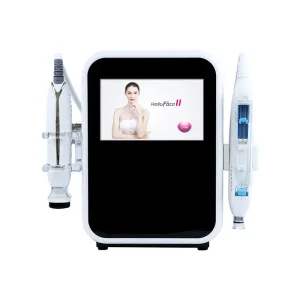
Custom Nano RF Meso Gun Needle Mesotherapy Machine China Suppliers
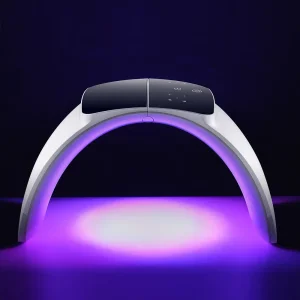
ODM China LED Facial Light Therapy Machine 7 Color Spa Lamp
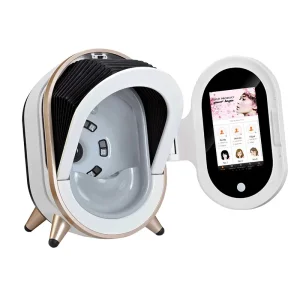
Custom 3D AI Face Skin Diagnostics Analyzer Machine Exporter
Custom Hydra Beauty Microdermabrasion Diamond Peeling Machine 14-in-1
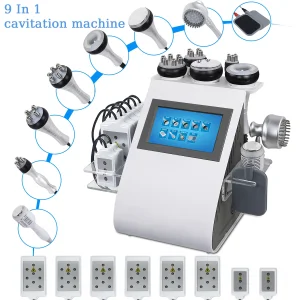
CE Certification China Factory Suppliers 40k Cavitation Machine 9-in-1