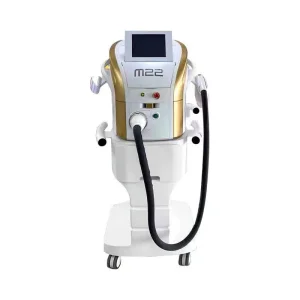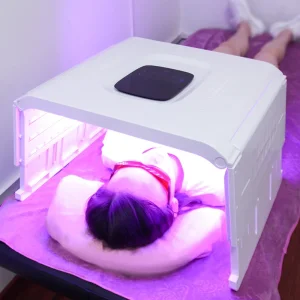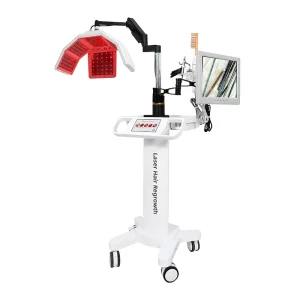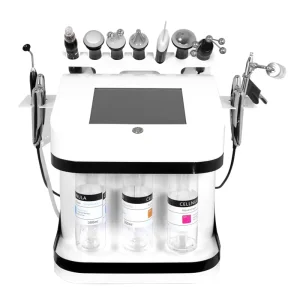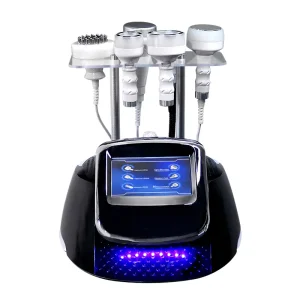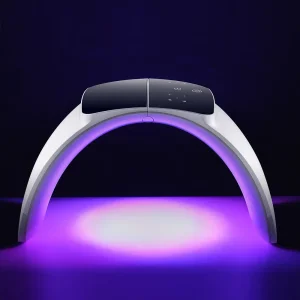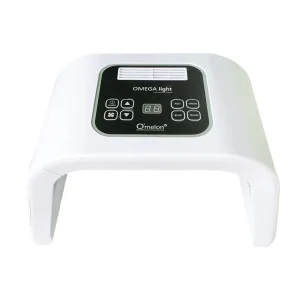
Featured ODM & OEM Aesthetic Systems (Catalog Selection 01)
Explore our premium factory-direct aesthetic equipment tailored for international distributors, medical spas, and commercial beauty chains looking for custom ODM hardware engineering and certified performance.
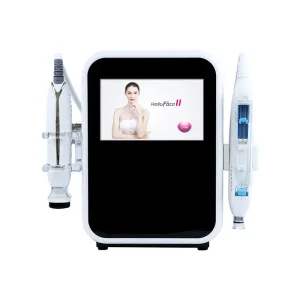
1. Global Commercial & Industrial Landscape of Hydra Beauty Devices
The non-invasive professional facial rejuvenation sector has experienced exponential growth over the past decade, with Hydra Dermabrasion platforms serving as the cornerstone technology for modern medical spas, dermatology clinics, and commercial beauty institutions worldwide. Driven by consumer demand for zero-downtime, instantaneous skin clearing, and deep hydration treatments, the global market valuation for hydra facial equipment is projected to surpass $3.2 Billion by 2030, registering a compound annual growth rate (CAGR) of 12.4%.
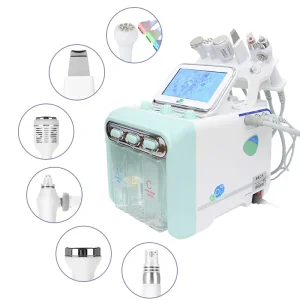
Historically dominated by high-markup Western brands, the industrial landscape has shifted radically due to advanced original design manufacturing (ODM) paradigms. Global buyers—spanning multi-location clinic chains, regional equipment distributors, and private-label aesthetic brands—are increasingly turning to specialized ODM manufacturing hubs, particularly in Shenzhen and Guangdong, China. This shift is motivated by the requirement for flexible technological integration (combining hydrogen-oxygen therapy, multipolar radiofrequency, plasma sterilization, ultrasonic skin scrubbing, and AI skin analysis into single multi-functional platforms) at commercially viable capital expenditure (CapEx) structures.
Today’s global procurement landscape demands transparency regarding ODM hydra beauty machine costs, manufacturing specifications, quality assurance protocols, and duty compliance. Navigating this ecosystem requires an understanding of how raw material selection, internal hydraulic engineering, pump vacuum pressures, and micro-chip control modules govern both unit costs and clinical efficacy.
2. ODM Hydra Beauty Machine Cost Matrix & Engineering Drivers
The total cost of an ODM (Original Design Manufacturer) hydra beauty machine varies significantly depending on internal fluidic engineering, pump durability, casing materials, multi-handle integration, interface customization, and regulatory certifications (CE, ISO13485, FDA compliance). Understanding the Bill of Materials (BOM) empowers procurement teams to optimize their sourcing strategy without compromising on operational safety or clinical outcomes.
| Equipment Grade / Tier | Typical FOB Unit Cost (USD) | Internal Pump & Vacuum Tech | Core Integrated Modalities | Target Buying Segment |
|---|---|---|---|---|
| Entry-Level Desktop ODM | $350 – $750 | Single Diaphragm Pump (60-70 kPa) | Hydrodermabrasion + H2O2 Spray + Ultrasonic | Small Salons, Mobile Estheticians, E-commerce |
| Mid-Tier Professional ODM | $800 – $1,850 | Dual Piston Oil-Free Pump (80-90 kPa) | 6-in-1 / 7-in-1 (Hydra, Bio-RF, Scrubber, Cold Hammer, LED) | Commercial Spas, Regional Aesthetic Chains |
| High-End Medical-Grade ODM | $1,900 – $4,500+ | High-Precision Peristaltic Pump (100+ kPa) | 9-in-1 to 14-in-1 + AI Skin Diagnostics + Smart Liquid Control | Dermatology Clinics, Premium MedSpas, Flagship Brands |
| Custom ODM Chassis / Tooling | $8,000 – $25,000 (NRE Tooling Fee) | Industrial Custom Fluid Circuits | Proprietary Aesthetic Technologies & Custom UI/UX Interface | Global Brand Owners, Large OEM/ODM Importers |
Primary Hardware Engineering Factors Influencing Unit Cost
Vacuum Pressure & Pump Engineering
The heart of any hydra device is its pump. Standard diaphragm pumps cut costs but suffer from vacuum degradation and high noise levels. Industrial-grade, quiet oil-free piston pumps or medical peristaltic pumps increase BOM costs by $150–$400, but guarantee consistent negative pressure (>95 kPa) required for deep-pore extraction without skin erythema.
Casing Materials & Structural Design
Cheap ABS plastic shells prone to cracking under chemical exposure lower initial costs. Premium ODM manufacturers utilize injection-molded flame-retardant ABS, metallic sub-frames, and UV-cured anti-corrosive coatings to prevent damage caused by glycolic and salicylic acid solutions used during treatment cycles.
UI/UX & Mainboard Architecture
Modern buyers expect intuitive touch interfaces (10.4-inch to 15.6-inch HD capacitive displays). Embedded Linux or Android micro-processors allow custom GUI branding, multi-language support, automated liquid self-cleaning protocols, and customer database retention—adding $100–$300 to the system cost.
3. Industrial Efficiency: The Chinese Manufacturing & Supply Chain Advantage
China's dominance in the global aesthetic equipment manufacturing market—specifically within the Guangdong Pearl River Delta region—is rooted in unmatched industrial cluster dynamics, complete vertical integration, and rapid engineering iteration capabilities. For international businesses seeking ODM hydra beauty machine exporters, sourcing directly from Chinese manufacturing facilities yields distinct competitive benefits:
Complete Component Supply Chain Co-location
Within a 50-kilometer radius of Shenzhen and Guangzhou, factory engineers access specialized suppliers for medical-grade silicone tubing, micro-solenoid valves, precision acrylic tips, high-frequency transducers, and custom TFT displays. This extreme supply chain density eliminates international component sourcing delays, reduces buffer stock requirements, and cuts prototype development cycles from months to under 14 days.
Tooling Amortization & Economies of Scale
Chinese aesthetic hardware manufacturers operate high-volume assembly lines serving hundreds of global brands simultaneously. This massive volume amortizes expensive mold design and CNC tooling costs across tens of thousands of units. Consequently, custom housing modifications, custom logo laser engraving, and custom PCB programming can be offered at significantly lower Minimum Order Quantities (MOQs) compared to European or American manufacturers.
Rigorous Quality Assurance & Compliance Standards
Top-tier Chinese ODM factories operate under ISO13485 Medical Device Quality Management Systems. Every hydra beauty unit undergoes multi-stage Quality Control (QC), including 48-hour continuous high-pressure fluid leak tests, vacuum stability testing, thermal imaging of electrical transformers, and strict drop/vibration simulation prior to export packing.
Agile ODM Customization Capability
From custom software interfaces and branded colorways to developing patented vortex hydro-tip geometries, Chinese manufacturers excel at rapid ODM adaptation. Engineering teams rapidly integrate emerging trends—such as combining hydrodermabrasion with high-intensity focused RF or cold-plasma technology—keeping buyers ahead of market saturation.
4. Global B2B Procurement Needs & Buyer Intent Analysis
Procuring aesthetic machinery across international borders requires evaluating regional market preferences, regulatory mandates, and operational economics. Sourcing requirements differ across key global markets:
North America (USA & Canada)
- Compliance: Requires FDA 510(k) clearance or Device Establishment Registration, plus UL/ETL electrical safety certification.
- Demand Focus: High-throughput robust systems, premium metallic finishes, custom branded consumables (solution bottles, disposable tips), fast after-sales spare parts dispatch.
European Union (EU)
- Compliance: CE Marking under Medical Device Regulation (MDR) or General Product Safety Directive (GPSD), RoHS, and WEE compliance.
- Demand Focus: Compact ergonomic footprint, low energy consumption, precise multilingual software GUI (German, French, Spanish, Italian), non-toxic eco-friendly plastics.
Middle East & Latin America
- Compliance: Local ministry approvals (e.g., SFDA in Saudi Arabia, ANVISA in Brazil).
- Demand Focus: High-power, multi-functional 9-in-1 or 12-in-1 combination platforms providing maximum treatment versatility, luxury aesthetics, and integrated AI diagnostics.
Total Cost of Ownership (TCO) & Landed Cost Formula
When evaluating ODM hydra beauty machine costs, procurement officers must look beyond the initial FOB (Free On Board) price. The true total landed cost includes international logistics, import tariffs, regional certification fees, spare parts availability, and warranty backing:
5. Localized Application Scenarios & Operational ROI Models
Hydra beauty platforms are versatile capital assets yielding rapid return on investment (ROI) across various clinical and commercial environments. Understanding local application scenarios allows operators to build high-margin treatment menus.
Medical Spas & Aesthetic Clinics
Primary Workflow: Used as a standalone signature deep-cleansing facial or as a mandatory preparatory procedure prior to invasive treatments such as fractional CO2 laser, IPL, or micro-needling. Clearing sebum, dead corneocytes, and follicular debris maximizes topical anesthetic absorption and laser light penetration.
Financial ROI Model: Charging $150 – $250 per session with a per-treatment consumable cost of under $8 (liquid solutions + tip) yields a net gross margin exceeding 94%, allowing unit payback within 30 to 60 days of clinical operation.
Franchise Salons & Resort Spas
Primary Workflow: Express 30-minute hydrating facials focused on lymphatic drainage, pore cleansing, and anti-aging serum infusion via high-pressure oxygen spray. Ease of operation enables standardized treatment protocols across non-medical staff.
Financial ROI Model: High volume client throughput (8-12 clients daily per machine) generates consistent recurring revenue while driving cross-sells for homecare serum products.
6. Technological Trends: The Next Generation of Hydra Platforms
The OEM/ODM aesthetic hardware industry is undergoing rapid innovation. Manufacturers are shifting away from basic single-function suction devices toward intelligent, data-driven treatment platforms:
AI Skin Diagnosis Integration
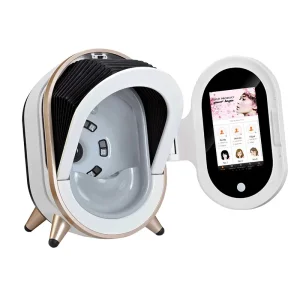
Next-gen ODM platforms feature built-in HD optical macro-cameras running real-time spectral skin analysis algorithms. The system quantifies moisture levels, pore clogging, pigmentation index, and wrinkle depth, automatically suggesting targeted treatment parameters and serum dosage.
Micro-Nano Bubble Technology
By integrating electro-catalytic water splitting generators, advanced machines produce ultra-high concentrations of hydrogen-rich water (up to 1400 PPB). Hydrogen-infused micro-bubbles act as selective antioxidants, neutralizing malignant hydroxyl free radicals in the skin.
IoT Cloud Fleet Management
For chain owners and distributors, IoT-enabled mainboards provide remote equipment tracking, shot/liquid volume monitoring, predictive maintenance alerts, and wireless over-the-air (OTA) software updates.
7. B2B Procurement FAQ: Technical & Commercial Clarifications
Clear, definitive answers to standard technical, financial, and logistical questions raised by global equipment buyers during ODM supplier evaluation.
Complementary Aesthetic & Slimming Systems (Catalog Selection 02)
Expand your clinic operations or distribution portfolio with our certified multi-technology equipment range, including IPL lasers, RF mesotherapy guns, photon LED arrays, and cavitation slimming platforms.