
Featured Aesthetic & Body Contouring Machinery
Direct factory solutions for global distributors, medical spas, and aesthetic equipment brand owners.
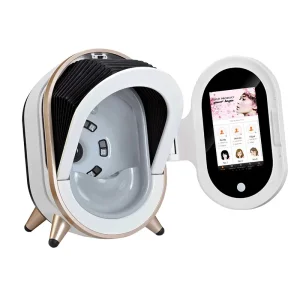
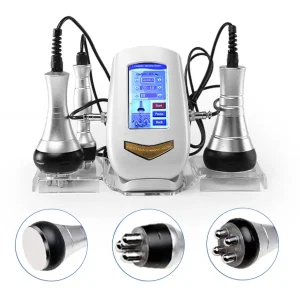
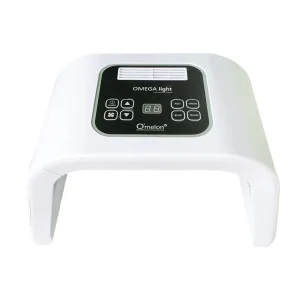
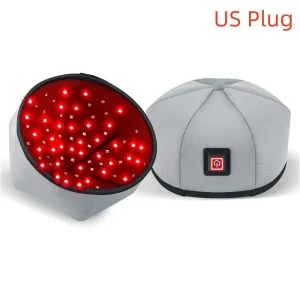
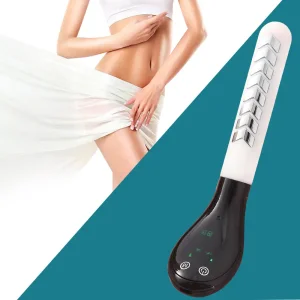
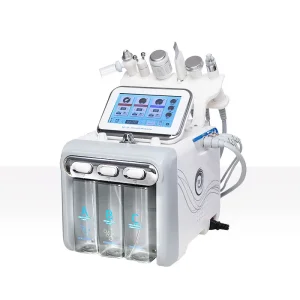
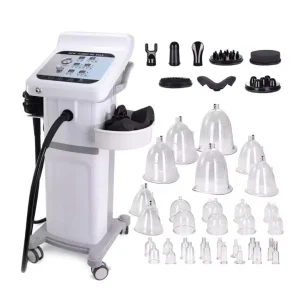
Global Procurement Demand for RF Body Slimming Technologies
An exhaustive review of market trajectory, regulatory trends, and enterprise purchasing criteria for medical aesthetic systems.
The global non-invasive body sculpting and skin tightening market is undergoing a structural paradigm shift. Driven by consumer preferences moving away from invasive surgical procedures like lipoplasty toward zero-downtime energy-based treatments, demand for professional-grade Radiofrequency (RF) slimming machinery has escalated at an unprecedented Compound Annual Growth Rate (CAGR) of over 14.8%. B2B buyers—comprising hospital consortiums, chain dermatological clinics, medical spa franchises, and regional medical device distributors—are navigating a market environment that demands technological sophistication, strict safety protocols, and proven clinical efficacy.
In this dynamic landscape, procuring equipment directly from specialized custom RF body slimming factories and suppliers provides enterprise buyers with significant competitive leverage. Today’s procurement metrics extend beyond unit cost; they encompass thermal control algorithms, electrical safety compliance, modular hardware repairability, localized user interfaces, and brand-differentiating aesthetic chassis engineering.
Enterprise buyers are phasing out legacy monopolar RF units in favor of hybrid platforms combining Multi-Polar RF, Vacuum Negative Pressure, Vacuum Cavitation, and Low-Level Laser Therapy (LLLT). Factory-level customization allows OEMs to tune energy delivery algorithms precisely for targeted tissue layers, boosting clinical conversion rates by up to 35%.
Technical Architecture: How Modern RF Slimming Functions
Understanding the biophysical mechanisms, electromagnetic frequency curves, and heat-dispersion physics embedded inside advanced custom RF devices.
Radiofrequency currents cause rapid rotation of water molecules within dermal and subcutaneous tissues. This molecular friction generates volumetric heating (diathermy) between 42°C and 45°C, triggering selective adipocyte apoptosis while stimulating immediate collagen triple-helix denaturation and subsequent neocollagenesis.
Human skin impedance varies dynamically across body zones (ranging from 100Ω to 1500Ω). High-end OEM RF generators incorporate algorithmic real-time feedback loops that monitor skin resistance milliseconds apart, adjusting voltage output automatically to prevent epidermal overheating or localized burns.
By phase-shifting electromagnetic pulses across arrayed electrode pins, modern monopolar and multipolar applicators can focus RF energy precisely at depth levels ranging from 5mm to 15mm, preserving the upper epidermal layers while maximizing energy density in deep subcutaneous adipose layers.
Technical Matrix: RF Topology Comparison for Custom Manufacturing
| RF Topology | Target Penetration Depth | Primary Clinical Indication | Safety Mechanism Requirements | Factory Customization Complexity |
|---|---|---|---|---|
| Monopolar RF | Deep (10mm - 20mm) | Subcutaneous Fat Reduction & Cellulite Breakdown | Grounding Return Pad, Active Contact Sensors | High (Requires Shielding & High Wattage Transformers) |
| Bipolar RF | Superficial (2mm - 4mm) | Dermal Tightening, Fine Line Reduction | Dual-Electrode Temperature Probes | Moderate (Standard PCB Frequency Generators) |
| Multipolar / Octapolar | Medium (5mm - 12mm) | Abdominal & Thigh Contouring, Skin Firming | Phase-Shift Algorithms, IR Thermography | Advanced (Custom Microcontroller Programming) |
| Vacuum-Assisted RF | Deep Focused (15mm+) | Fibrotic Cellulite & Lymphatic Drainage | Pressure Transducers & Thermal Cut-Offs | Highest (Integration of Pneumatic & RF Hardware) |
Customization Capabilities of Top-Tier RF Factories
How tailored manufacturing services transform standard energy-based platforms into market-leading brand assets.
When selecting a Custom RF Body Slimming Supplier, enterprise buyers must evaluate the factory's structural capacity for bespoke customization. Modern OEM/ODM manufacturing extends far beyond slapping a silkscreen logo on a pre-existing plastic chassis. Professional aesthetic manufacturers provide end-to-end engineering customization across four distinct layers:
From injection-molded ABS housing to lightweight aerospace aluminum alloy chassis, custom factories provide private-label aesthetic casing designs. Ergonomics of handpiece applicators are engineered to minimize operator fatigue during prolonged treatment schedules in busy clinical environments.
Custom PCB board layouts ensure stable radiofrequency signal generation. Options for dual-frequency switching (e.g., 1MHz for skin firming and 5MHz for deep lipolysis) allow brand owners to position devices for multi-application therapeutic protocols.
Custom Android-based or Linux embedded user interfaces allow branded startup animations, multi-language UI localization (supporting 12+ global languages), preset clinical treatment modules, and cloud telemetry for remote diagnostic tracking.
- Power Supply Certification: Ensure the factory incorporates medical-grade power supplies (e.g., Mean Well or equivalent) meeting IEC 60601-1 standards to prevent electromagnetic interference (EMI).
- Handpiece Cable Durability: High-frequency currents require shielded silicone coaxial wiring capable of enduring over 100,000 flex cycles without impedance degradation.
- Cooling Systems: Look for integrated TEC (Thermoelectric Cooling) peltier systems combined with industrial copper radiators to maintain sapphire tip skin cooling below 5°C.
Global Compliance Standards & Quality Engineering
Navigating cross-border regulatory approvals, factory audits, and rigorous quality control protocols.
Distributing medical aesthetic devices globally mandates strict adherence to international regulatory frameworks. Leading China-based custom RF body slimming factories operate ISO 13485-certified quality management systems specifically designed for medical device manufacturing. Navigating regulatory compliance requires verification of several key certifications:
Medical Device Regulation (EU 2017/745) compliance ensures energy-based slimming machines meet strict clinical safety, thermal control, and electromagnetic compatibility metrics required across the European Economic Area.
For US-bound distribution, factories must demonstrate substantial equivalence to predicate RF body sculpting devices, backed by comprehensive bench testing, biocompatibility reports (ISO 10993), and software validation.
The global benchmark for medical device manufacturing quality management, guaranteeing total component traceability, standardized assembly line verification, and systematic risk management (ISO 14971).
Ensures electrical equipment is completely free of hazardous substances (lead, mercury, cadmium) while facilitating smooth national regulatory conversions across over 50 participating CB scheme countries.
Factory Testing & Stress Analysis Protocols
Before leaving the manufacturing floor, top-tier RF slimming equipment undergoes exhaustive quality control procedures:
- Continuous High-Wattage Burn-In: Devices run at 100% duty cycle for 72 consecutive hours to detect potential thermal breakdowns in energy transducers or power boards.
- Energy Output Calibration: Oscilloscopes and RF power meters measure actual wattages delivered to simulated skin phantom models, verifying energy output stays within ±2% of UI display readings.
- Drop & Vibration Stress Testing: Export packaging is subjected to simulated shipping vibrations and drop tests to ensure optical screens and interior circuit boards remain intact during transit.
The Future Roadmap of Custom RF Slimming Technologies
Next-generation technological developments transforming the aesthetic technology supply chain over the next decade.
Integration of embedded thermal cameras inside handpieces to map real-time skin temperature gradients. AI algorithms instantly adjust energy delivery zone-by-zone, maximizing lipid destruction while preventing localized hot spots.
Custom suppliers are embedding 4G/5G SIM telemetry modules directly into machine motherboards. Equipment distributors can remotely audit machine shot counts, track usage analytics, perform over-the-air (OTA) firmware updates, and lock leased equipment upon payment cycles.
Combining Radiofrequency thermal energy with High-Intensity Focused Electromagnetic (HIFEM) muscle stimulation in a single applicator, delivering simultaneous fat reduction and muscle hypertrophy in a unified 30-minute procedure.
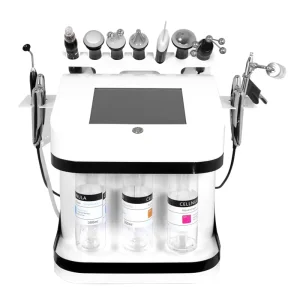
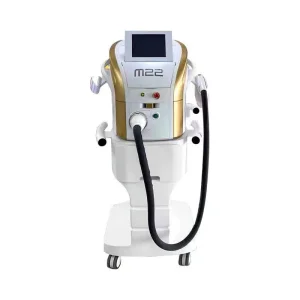
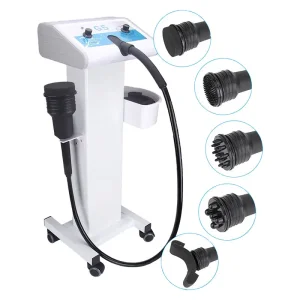
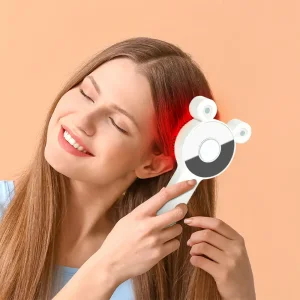
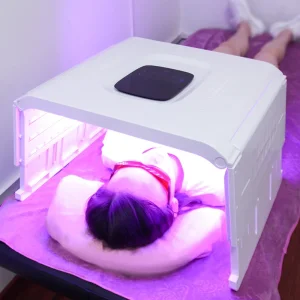
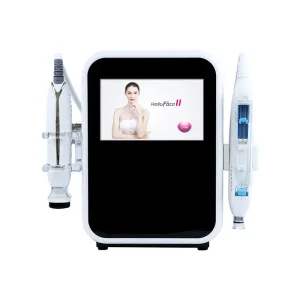
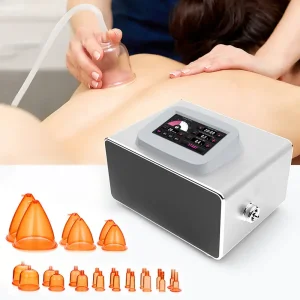
Additional OEM/ODM Body Sculpting & Aesthetic Solutions
Explore our expanded range of certified aesthetic hardware available for factory-direct wholesale and private labeling.

Frequently Asked Technical & Sourcing Questions
Direct answers to core questions asked by B2B buyers, sourcing managers, and device brand owners.
What is the typical lead time for a fully customized OEM RF body slimming order?
Standard OEM modifications (silkscreen branding, housing color adjustments, and localized UI translation) take approximately 15 to 20 business days. Deep ODM projects involving brand-new chassis mold creation, custom PCB design, and regulatory submission packages generally range between 45 and 60 business days from initial engineering approval.
How do custom factories ensure thermal safety during long treatment sessions?
Industrial RF suppliers integrate multi-layered hardware safety protocols. These include continuous contact-impedance checking (shutting off energy within 10 milliseconds if skin contact is lost), semiconductor Peltier contact cooling on handpiece tips, and secondary infrared non-contact skin temperature sensors that auto-regulate wattage when epidermal temperatures reach 42°C.
What minimum order quantities (MOQs) apply to private-label RF equipment?
For standard equipment with custom logo engraving and customized packaging, MOQs start as low as 1 to 5 units. For customized chassis injection molding or proprietary software OS developments, MOQs typically range from 20 to 50 units depending on the engineering complexity.
Why is dynamic frequency selection (e.g., 1MHz vs 5MHz) critical in body slimming platforms?
Electromagnetic penetration depth is inversely proportional to frequency. A lower frequency (1MHz - 2MHz) penetrates deeper into thick subcutaneous adipose tissue on areas such as the abdomen and buttocks. Higher frequencies (5MHz - 6.78MHz) concentrate thermal energy in more superficial dermal layers, ideal for skin tightening and facial contouring.
What warranty and spare-parts supply guarantees are provided?
High-end manufacturers offer a 1-year to 3-year comprehensive warranty on main unit power generators and motherboards, backed by a 5-year guaranteed supply of modular replacement parts. Technical support includes direct engineer-to-engineer video diagnostics, modular drop-in replacement components, and fast-track shipping of handpiece consumables.