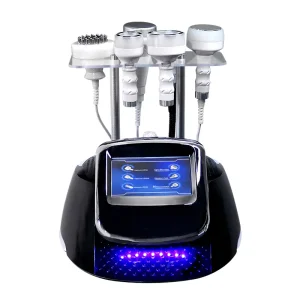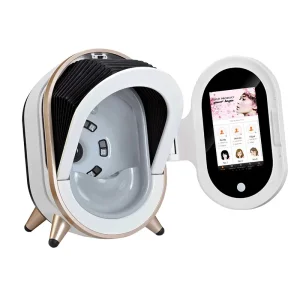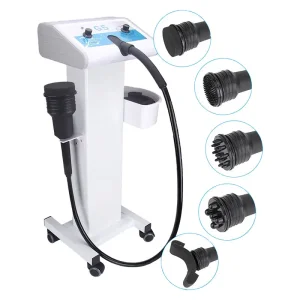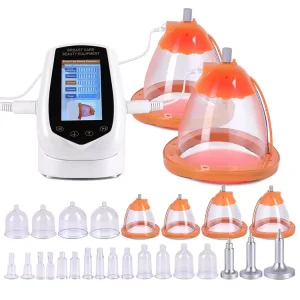
High-Performance Light Therapy & Aesthetic Systems (Batch 01)
Explore our export-grade phototherapy devices, photodynamic facial platforms, and body sculpting machinery designed for commercial spas, dermatologists, and international distributors.
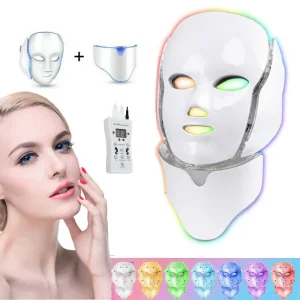
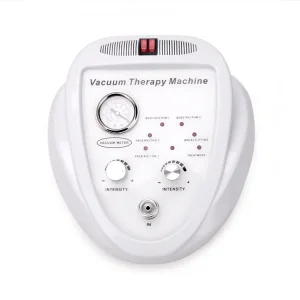
The Science of Dual-Wavelength Photobiomodulation (PBM)
Understanding how narrow-band red (630nm/660nm) and blue (415nm/450nm) spectral emissions trigger targeted biochemical pathways inside cellular mitochondria and dermal tissue.
630nm / 660nm Red Light Wavelength Mechanics
Red light within the visible optical spectrum (630nm–660nm) penetrates deep into the dermal layer (approximately 2–3mm), directly targeted by the primary cellular chromophore Cytochrome c Oxidase (CCO) located inside mitochondrial membranes.
When light photons interact with CCO, nitric oxide (NO) is photodissociated from the enzyme complex. This dissociation restores electron transport chain performance, triggering a surge in Adenosine Triphosphate (ATP) synthesis, reducing intracellular oxidative stress, and upregulating fibroblast proliferation responsible for collagen and elastin secretion.
415nm / 450nm Blue Light Photodynamic Mechanics
Blue light wavelengths act on the superficial epidermis and sebaceous micro-environments (0.5–1mm depth). The principal mechanism is photodynamic antimicrobial eradication of Cutibacterium acnes (P. acnes).
Endogenous porphyrins produced by P. acnes bacteria absorb 415nm light efficiently, producing a high yield of reactive singlet oxygen species ($^1O_2$). This localized intracellular oxidation causes rapid bacterial cell wall destruction without inducing thermal damage or antibiotic resistance in host tissue, while simultaneously downregulating hyper-active sebaceous gland excretion.
Global Phototherapy Industry & Enterprise Procurement Trends
The global photobiomodulation market is transitioning from non-regulated consumer novelties to high-irradiance, medical-grade custom platforms across clinical, wellness, and commercial channels.
Clinical Shift Toward Non-Invasive Modalities
Dermatology chains and aesthetic centers worldwide are expanding non-thermal treatment menus. Red and blue LED devices are now standard protocols for post-laser skin rehabilitation, acne mitigation, and non-invasive anti-aging regimes, leading to double-digit annual increases in B2B machinery sourcing.
Strict Regulatory Compliance Standards
Global buyers in North America and Europe demand strict optical safety certifications. Modern procurement contracts require verification of non-hazardous eye safety (IEC 62471 standard), electromagnetic compatibility (EMC), and minimal heat-induced erythema risk during high-irradiance output sessions.
Integration of Multi-Wave Combination Panels
Single-wavelength lamps are being phased out in favor of multi-spectrum platforms combining 415nm Blue, 630nm Red, 660nm Deep Red, and 850nm Near-Infrared (NIR). Dual-chip and triple-chip SMT LED technologies enable concurrent treatment of surface inflammation and deep dermal tissue repair.
Shenzhen Factory Ecosystem & Engineering Advantages
Leveraging China's world-leading optoelectronics supply chain to provide international clients with unmatched cost-efficiency, technical customizability, and rapid prototyping capabilities.
Industrial SMT Automation & Optical Precision
Our manufacturing facility in Shenzhen integrates full-process Surface Mount Technology (SMT) assembly lines dedicated to precision optical LED arrays. By mounting high-power micro-LED chips directly onto copper-clad aluminum printed circuit boards (PCBs), we achieve optimal thermal dissipation ($W/m\cdot K > 2.0$), minimizing thermal decay and ensuring steady wavelength output over extended operating hours.
In addition, our optical engineering team incorporates custom secondary convex lens arrays (ranging from $30^\circ$ to $60^\circ$ beam angles) over individual LEDs. This concentrates photon delivery, yielding surface irradiance levels up to 120–150 mW/cm² at clinical working distances—far surpassing standard consumer products.
- Full Custom Mold Tooling: In-house ABS/PC shell injection moulding for unique brand form factors.
- Smart Embedded Firmware: Custom Android/Linux touchscreen GUIs, wireless app control, and client database management.
- Strict Aging Quality Assurance: 100% full-spectrum radiant flux testing and 72-hour continuous burn-in stress screening.
OEM / ODM Enterprise Supply Chain Workflow
From conceptual industrial design to global logistical export, our integrated engineering lifecycle guarantees rapid time-to-market:
Selecting narrow-band wavelengths (415nm, 630nm, 660nm, 850nm) and target energy density ($J/cm^2$).
Designing ergonomic chassis, silent centrifugal fan cooling, and medical-grade silicone seals.
Developing user-friendly touch interfaces, custom branding splash screens, and localized menus.
Photobiomodulation Wavelength Comparison Matrix
Comprehensive engineering benchmarks comparing target optical bands, energy transmission depths, and primary biological response targets.
| Wavelength Band | Target Depth | Primary Chromophore | Irradiance Target | Clinical & Aesthetic Outcome |
|---|---|---|---|---|
| 415nm ± 5nm (Blue Light) | Epidermis (0.5mm – 1.0mm) | Endogenous Porphyrins | 40 – 80 mW/cm² | Destroys P. acnes bacteria, regulates sebum, reduces active inflammatory acne. |
| 630nm / 660nm (Red Light) | Dermis (2.0mm – 3.0mm) | Cytochrome c Oxidase | 80 – 130 mW/cm² | Stimulates ATP production, accelerates collagen synthesis, reduces fine lines and wrinkles. |
| 830nm / 850nm (Near-Infrared) | Subcutaneous (5.0mm+) | Intracellular Water / CCO | 100 – 150 mW/cm² | Deep tissue repair, joint inflammation reduction, post-operative micro-circulation healing. |
| Combined Dual-Wave (415nm + 660nm) | Epidermal to Dermal | Porphyrins & CCO Dual Target | 100 – 140 mW/cm² | Simultaneous antibacterial acne clearance and post-acne inflammatory erythema (PIE) healing. |
Target Business & Industry Application Scenarios
Custom light therapy and medical aesthetic platforms engineered to fit diverse business models and clinical environments worldwide.
Dermatology Clinics
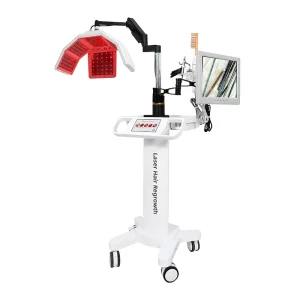
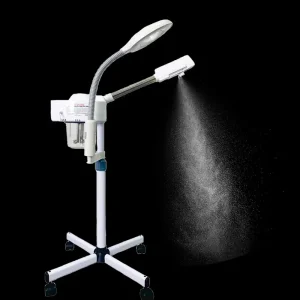
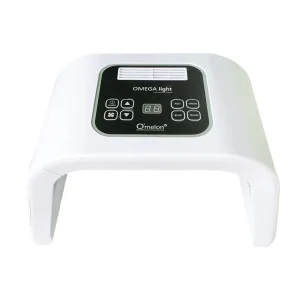
Medical-grade floor-standing photodynamic therapy (PDT) systems equipped with articulating arms for post-procedure healing, photodynamic therapy, and clinical acne protocols.
Commercial Spas & Salons
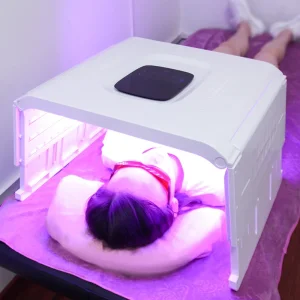
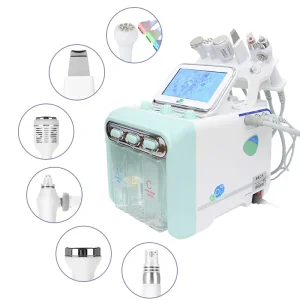
High-throughput 7-color LED therapy panels and multi-function facial hydrodermabrasion stations designed to deliver relaxing, anti-aging facial treatments.
Hair Restoration Centers
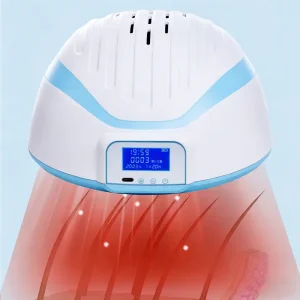
Specialized low-level laser therapy caps and VCSEL laser hats designed to stimulate scalp micro-circulation, revitalize dormant follicles, and complement hair loss treatments.
At-Home Retail Brands
Private-label flexible silicone LED facial masks and handheld beauty devices engineered with consumer safety features, custom branding, and sleek retail packaging.
Global B2B Procurement & Quality Verification Criteria
Essential guidelines for international distributors, OEM brand managers, and procurement officers evaluating phototherapy manufacturers in China.
1. Irradiance & Spectral Verification
Never rely solely on rated electrical wattage. Request third-party spectrometer reports verifying actual surface irradiance ($mW/cm^2$) at a designated treatment distance (e.g., 10cm or 15cm) along with spectral full-width at half-maximum (FWHM < 15nm) to guarantee wavelength purity.
2. Electrical & Thermal Safety Testing
Ensure that high-power LED systems feature internal thermal cutoff switches and low-noise cooling systems. Devices must comply with International Medical & Electrical Equipment Safety Standards (CE, LVD, EMC testing) to simplify custom clearance and insurance underwriting in target markets.
3. OEM Customization & Warranty SLAs
Verify that your factory supplier offers full OEM/ODM branding services—including silk-screen logo printing, custom UI translation, tailored housing colors, modular replacement parts, and a minimum 12 to 24-month comprehensive technical warranty.
Frequently Asked B2B Technical & Operational Questions
Expert answers addressing technical specifications, customization possibilities, minimum order quantities, and international export logistics.
Professional phototherapy equipment utilizes medical-grade narrow-band SMT LEDs with tight spectral tolerances (FWHM < 15nm) and precise peak wavelengths (such as 415nm and 660nm). Standard ambient lighting LEDs emit broad-spectrum white light with insufficient energy flux density ($mW/cm^2$) to excite biological chromophores like Cytochrome c Oxidase or Porpyhrins. Additionally, professional phototherapy systems incorporate specialized optics to deliver standardized optical power densities required for consistent therapeutic outcomes.
Yes. Modern dual-chip and multi-spectrum LED arrays enable concurrent emission of 415nm Blue light and 660nm Red light. This combination strategy allows practitioners to target active P. acnes bacteria at the epidermal surface while simultaneously stimulating deeper dermal collagen synthesis and suppressing inflammatory cytokines—halving treatment times while enhancing overall therapeutic results.
We provide comprehensive customization services for international importers and brand owners. This includes custom industrial housing molds, logo silkscreening and laser etching, custom anodized aluminum trim colors, fully bespoke retail packaging, and customized software user interfaces (boot screens, branded touch GUIs, preset treatment algorithms, and multi-language support).
High thermal loads can cause optical power decay and wavelength drift. Our engineering architecture utilizes heavy copper-core PCBs bonded to high-surface-area aluminum heatsinks, paired with ultra-quiet hydraulic centrifugal cooling fans. This ensures LED junction temperatures remain below critical thresholds ($<60^\circ C$), guaranteeing steady irradiance output and an operating lifespan exceeding 50,000 hours.
Our manufacturing factory operates under an ISO13485 quality management system. Our equipment lines carry CE certification (LVD and EMC safety directives), RoHS environmental compliance, and IEC 62471 Photobiological Eye Safety reports. We also assist OEM clients with FDA 510(k) testing preparation and country-specific registration paperwork.
For standard catalog items with custom logo placement, MOQs start at 5–10 units with lead times of 7 to 10 working days. Full OEM projects involving custom housing injection molding or proprietary software integration typically require an MOQ of 50–100 units, with initial prototype delivery within 20–30 days followed by mass production.
Advanced Body Contouring & Phototherapy Equipment (Batch 02)
Discover our extended portfolio of multi-functional slimming stations, AI skin analyzers, and laser hair therapy devices engineered for global distribution.