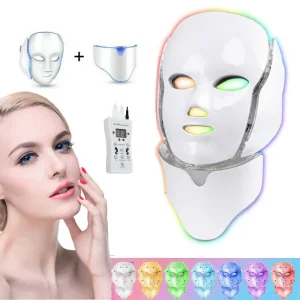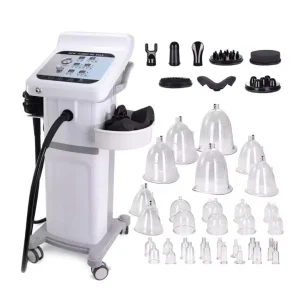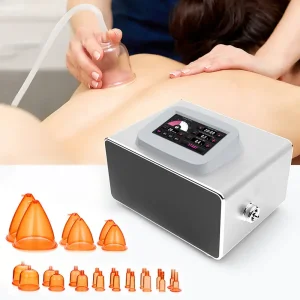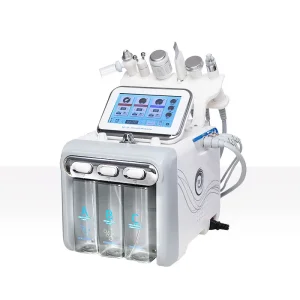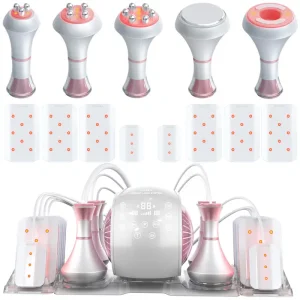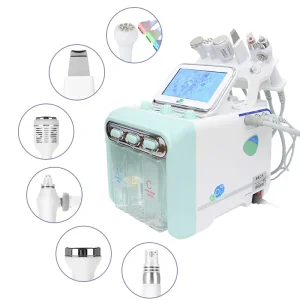
Featured OEM/ODM Aesthetic & Light Therapy Equipment
Explore our flagship exported aesthetic technologies, engineered with rigorous medical-grade standards, customizable spectrum filters, and long-lifespan flash lamps.
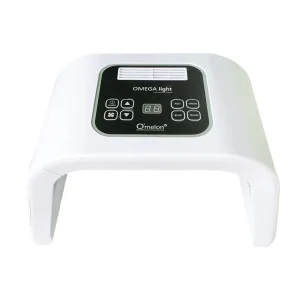
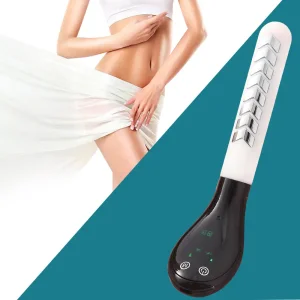
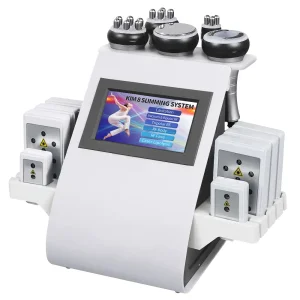
Pulsed Light Technology: Engineering Principles & Photothermal Mechanics
The global demand for high-efficiency non-invasive photo-epilation has driven intense innovation in Intense Pulsed Light (IPL), Optimal Pulse Technology (OPT), and Dynamic Pulsed Light (DPL) equipment. As a premier custom pulsed light hair removal factory and exporter, our engineering focus centers on mastering the physics of broad-spectrum light emission and optimizing thermal energy density delivered to target chromophores.
Selective Photothermolysis & Spectral Filtering
Pulsed light systems operate on the principle of selective photothermolysis, originally formulated by Anderson and Parrish. Energy delivered via xenon flash lamps emits incoherent light spanning wavelengths from 400nm to 1200nm. To achieve precise destruction of the hair follicle without damaging surrounding epidermal tissue, specialized optical crystal filters (sapphire or quartz) restrict output to targeted bands (e.g., 515nm, 560nm, 640nm, 690nm, to 1200nm).
Melanin concentrated within the hair shaft and follicular epithelium absorbs radiant energy primarily in the 600nm–1100nm spectrum. This light energy converts rapidly into thermal energy, driving localized temperatures within the dermal papilla above 70°C. This denatures matrix cells and stops vascular feeding to the hair follicle, inducing permanent hair reduction.
Comparative Technological Metrics: IPL vs. OPT vs. DPL vs. Diode Laser
Global distributors and enterprise procurement managers must evaluate technological tradeoffs when sourcing custom light-based epilation machinery. Below is an engineering comparison matrix:
| Technology Spec | Standard IPL | Optimal Pulse Tech (OPT) | Dynamic Pulsed Light (DPL) | Diode Laser (808nm) |
|---|---|---|---|---|
| Wavelength Range | 420nm – 1200nm (Polychromatic) | 530nm – 1200nm (Flat-top Square Wave) | 500nm – 600nm / 550nm – 650nm (Narrow-spectrum) | 808nm / 755nm / 1064nm (Monochromatic) |
| Energy Output Waveform | Decaying Exponential Peak Pulse | Uniform Square Pulse (Constant Energy) | High-frequency Narrowband Pulses | Continuous or Pulsed Laser Beam |
| Pulse Repetition Rate | 0.5 Hz – 1 Hz | 1 Hz – 10 Hz (In-motion sliding) | 1 Hz – 15 Hz (Ultra-fast sliding) | 1 Hz – 10 Hz |
| Epidermal Safety | Moderate risk of thermal spikes | High (No energy dropoff or peak spike) | Very High (Targeted absorption band) | High (Requires intense contact cooling) |
| Clinical Versatility | Hair Removal, Acne, Vascular | Fast Hair Removal, Skin Rejuvenation | Precision Vascular, Pigmentation & Hair | Specialized Hair Removal Only |
The China Manufacturing Advantage: Supply Chain Integrity & OEM Expertise
As a leading Chinese pulsed light hair removal exporter and custom equipment manufacturer based in the Pearl River Delta industrial cluster (Shenzhen/Guangdong), our production ecosystem delivers unparalleled structural advantages to international B2B clients.
Vertical Component Integration
We directly partner with top-tier optical component producers. From imported UK xenon lamps and German sapphire crystals to high-capacity Japanese Panasonic capacitors, our direct access reduces component acquisition costs by 30-40% while ensuring strict quality controls.
Custom Firmware & UI Engineering
Our in-house R&D team provides full control over micro-controller PCB design, graphical user interfaces (GUI), and system firmware. We accommodate multiple languages, custom treatment pre-sets, Android-based touch interfaces, and cloud-connected IoT telemetry.
Medical Quality Systems & ISO 13485
Operating under ISO 13485 certified quality management systems, every machine undergoes a rigorous 72-hour aging burn-in test, spectral output validation, and energy density calibration via specialized power meters before export packing.
Macro Industry Trends & Innovations Shaping the Hair Removal Sector
The global photo-epilation equipment market is transitioning toward smarter, safer, and pain-free solutions. Brands and importers must realign product development to match these dominant technological shifts:
1. AI Skin Tone Recognition & Automated Energy Calibration
Modern consumers demand safety across diverse Fitzpatrick skin types (I through VI). Custom factories are integrating integrated skin sensor modules directly into the handpiece window. These sensors analyze real-time melanin density using RGB absorption feedback and dynamically adjust pulse duration and joule output to eliminate thermal burn risks on darker skin tones.
2. Advanced TEC Sapphire Ice-Point Contact Cooling
Pain management is a decisive purchasing factor. Traditional air-cooled handpieces are being superseded by Thermoelectric Cooling (TEC) semiconductor systems paired with high-transmittance optical sapphire. Maintaining constant contact temperatures between -5°C and 0°C at the epidermal boundary neutralizes pain sensations, allowing practitioners to employ higher energy fluences safely.
3. Multi-Function Hybrid Platforms
Enterprise buyers increasingly prefer multi-treatment platforms. By supplying interchangeable optical filters (magnetic or slide-in cartridges), a single pulsed light console converts seamlessly between fast hair removal (SHR), vascular lesion clearance, epidermal pigment breakdown, active acne management, and photo-rejuvenation routines.
Global Enterprise Procurement Demands & Application Scenarios
Different commercial verticals require tailored hardware specifications and packaging options. As an experienced exporter, we fulfill specific requirements across key commercial sectors:
Medical Spas & Aesthetic Chain Clinics
Hardware Demands: High continuous duty cycles, floor-standing heavy chassis, large spot sizes (15mm x 50mm), dual handpieces, real-time cooling water temperature monitoring, and rapid pulse frequencies (10Hz).
Consumer Private-Label Beauty Brands
Hardware Demands: Ergonomic desktop or handheld form-factors, custom injection-molded housing colors, bespoke luxury packaging boxes, retail-ready compliance certifications, and clear user operation manuals.
Cross-Border E-Commerce & Distributors
Hardware Demands: Modular internal design for low-cost field servicing, drop-test reinforced casing, low minimum order quantities (MOQ) for branding tests, and quick turn-around times for spare parts supply.
Frequently Asked Questions (FAQ) for B2B Importers & Procurement Teams
Clear, direct answers regarding customization capabilities, supply logistics, manufacturing quality, and export compliance.
Our standard clinical-grade handpieces utilize premium imported UK Firstlight xenon flash lamps, guaranteed for 500,000 to 1,000,000 valid shots under recommended operational parameters. For economic commercial models, standard lamps offer 300,000 to 500,000 shots. Every handpiece includes an internal digital pulse counter synced to the main control screen.
We offer end-to-end original equipment manufacturing (OEM) and original design manufacturing (ODM). This includes custom chassis color matching (Pantone system), silk-screened brand logos, custom housing mold engineering, UI interface translation/redesign, customized spot sizes, distinct optical filter configurations, and custom external packaging.
Our manufacturing facility operates under ISO 13485 quality management systems. Our export products comply with Medical CE (EU MDR/MDD), CE Safety Standards, RoHS compliance, and EMC electromagnetic compatibility testing. We assist enterprise buyers in obtaining local registration (such as FDA 510(k), ANVISA, or TGA) by providing complete technical master files and lab test reports.
We integrate high-grade synthetic sapphire light guides directly connected to dual TEC (Thermoelectric Cooling) semiconductor chillers and forced liquid-to-air heat exchangers. This system extracts thermal energy away from the skin surface continuously, keeping the contact crystal surface chilled between -5°C and 0°C even during prolonged high-frequency (10Hz) operational sessions.
For standard unbranded or logo-added sample orders, the MOQ is 1 unit, with lead times ranging from 3 to 7 working days. For custom OEM orders (custom housing color, UI redesign, packaging), the typical MOQ starts at 5 to 10 units with production lead times of 15 to 25 business days, depending on component availability.
We provide a standard 1-to-2 year factory warranty on all host control consoles and core power electronics. In case of module failure, our engineering department sends replacement sub-assemblies (such as plug-and-play power modules or control PCBs) via express air courier along with video guidance. Lifetime technical remote support and circuit schematics are standard for authorized distributors.
Complete Aesthetic Device Export Portfolio
Browse our expanded equipment catalog, offering multi-technology solutions for body sculpting, facial dermabrasion, light therapy, and non-invasive wellness care.