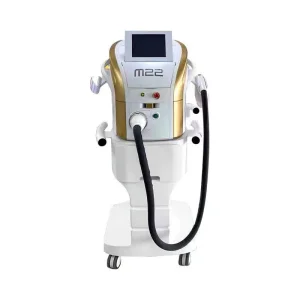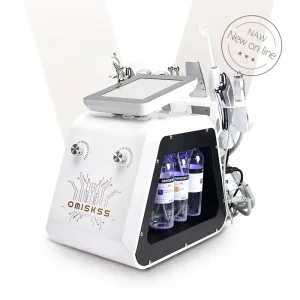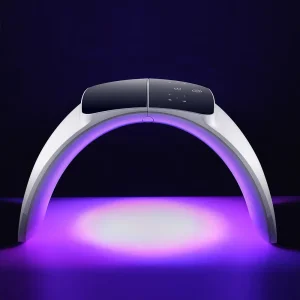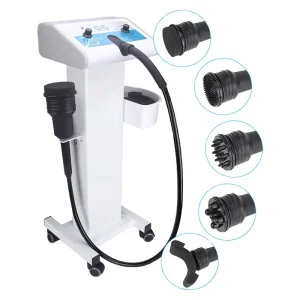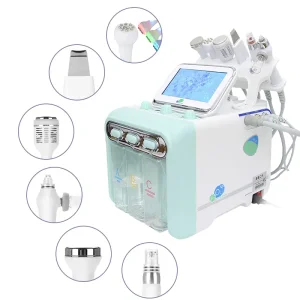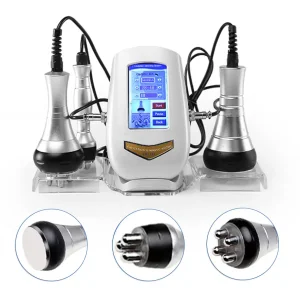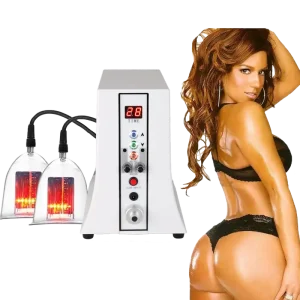
Flagship Clinical & Phototherapy Platforms
Explore our precision-engineered aesthetic hardware portfolio designed for direct factory sourcing, clinical procurement, and custom private-label branding.
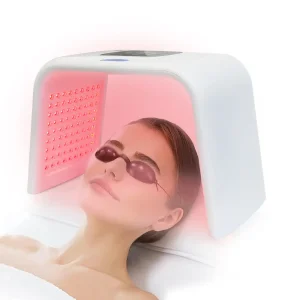
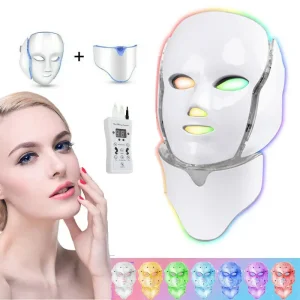
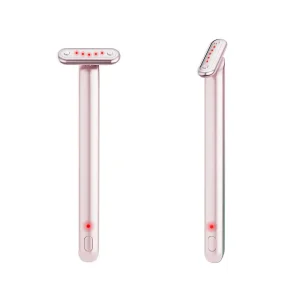
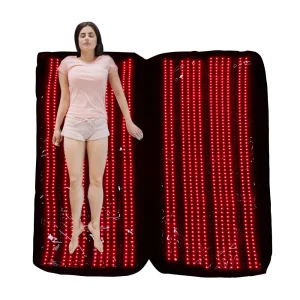
The Photobiomodulation Revolution: Clinical Physics & Next-Gen LED Architecture
An authoritative engineering analysis of photonic cellular signaling, optical irradiance uniformity, and the paradigm shift from rigid plastic shells to flexible ergonomic matrices.
The aesthetic dermatology landscape has undergone an unprecedented transformation. Photobiomodulation (PBM)—formerly restricted to hospital-grade, stationary clinical gantries—is now available through highly optimized wearable devices. As a premier original equipment manufacturer (OEM) and original design manufacturer (ODM) based in Guangming District, Shenzhen, Aidiesin Industrial engineers photonic architectures that deliver calibrated milliwatt-level fluence directly to living dermal tissues.
Cellular Photobiology
PBM functions primarily via photons exciting the mitochondrial enzyme cytochrome c oxidase (Unit IV in the electron transport chain). This photonic absorption triggers nitric oxide (NO) photodissociation, heightens mitochondrial membrane potential, elevates adenosine triphosphate (ATP) synthesis, and provokes controlled surges of reactive oxygen species (ROS) that upregulate transcription factors for natural pro-collagen type I & III production.
Optical Fluence & Irradiance
The core engineering bottleneck in commercial beauty masks is power delivery consistency. A clinical reaction requires an optical power density between 30 mW/cm² and 100 mW/cm² across the targeted dermal field. Underpowered consumer masks fail to initiate Arndt-Schulz biostimulation thresholds, while improperly heat-sinked units suffer severe thermal lumen decay within minutes of continuous activation.
Material Innovation (LSR)
The market shift away from rigid polycarbonate masks is driven by the inverse square law of light. Rigid shells stand 20mm to 40mm away from facial contours, dissipating over 60% of radiant photon energy before dermal contact. Aidiesin utilizes biocompatible Liquid Silicone Rubber (LSR) matrices that adhere directly to the stratum corneum, ensuring uniform distance, minimized scattering, and complete facial coverage.
Engineering Insight: Spectral Integrity Versus Monochromatic Drift
In standard low-cost production facilities, wide LED binning tolerances result in nominal 630nm chips radiating anywhere between 610nm and 655nm. This drift pushes energy outside the mitochondrial resonance window. Aidiesin enforces rigorous optoelectronic testing via automated spectroradiometer validation, ensuring our medical diodes operate strictly within a narrow ±2nm tolerance band.
What Global Aesthetic Brands & Importers Require
Addressing complex compliance mandates, customs risk reduction, and industrial certification across the European Union, North American, and Asia-Pacific markets.
Regulatory Compliance
International buyers face severe border seizures without verified documentation. Aidiesin manufactures in conformity with CE MDR (EU 2017/745), FDA 510(k) Class II clearance frameworks, RoHS hazardous material bans, FCC Part 15 electromagnetic emissions, and UL/IEC 60601-1 electrical safety protocols.
Flicker-Free Electronics
Cheap pulse-width modulation (PWM) drivers introduce stroboscopic micro-flicker that triggers optical headaches and ocular strain. Our printed circuit assemblies feature analog constant-current linear drivers with zero optical ripple, meeting the most stringent ophthalmic comfort standards.
Scalable Customization
Importers require rapid SKU tiering. We support flexible silicone color-matching (Pantone C), silkscreen logo placement, proprietary remote-controller industrial design, localized mobile app integration (Bluetooth 5.2 LE), and custom magnetic presentation packaging designed for luxury retail unpackaging.
Supply Chain Resilience
Distributor profitability relies on stable Bill-of-Materials (BOM) pricing and rapid container turns. By keeping SMT board placement, liquid silicone injection molding, assembly, and QA under one factory roof in Shenzhen, we mitigate the cascading sub-supplier delays typical of intermediary trading firms.
China Factory 4.0: Precision Robotics, SMT & Supply Chain Dominance
How Shenzhen Aidiesin Industrial leverages advanced hardware clustering to deliver defect-free medical-grade aesthetics at unbeatable commercial efficiency.
High-Speed SMT Placement
Our flexible printed circuit (FPC) boards are populated on multi-head Yamaha and Panasonic surface-mount lines capable of 0201 component mounting and dual-wavelength die placement (630nm Red + 830nm NIR on identical chipsets) with micron-level alignment, maximizing photon density while minimizing thermal stress.
Cleanroom LSR Injection
Silicone mask encapsulation occurs inside Class 100,000 dust-free cleanrooms. Advanced liquid silicone injection presses seal the optoelectronic circuitry inside non-toxic, hypoallergenic, high-clarity medical elastomer. This provides IPX7 moisture proofing, enabling thorough disinfection between clinical procedures.
Continuous Burn-In & Spectral QA
Every single production batch undergoes a mandatory 4-hour active power burn-in cycle, monitored for thermal equilibrium, current leakage, and luminous degradation. Automated spectrophotometers verify exact emission peaks before units proceed to secondary packaging, ensuring zero dead-on-arrival (DOA) rates.
| Manufacturing Parameter | Generic Commodity LED Masks | Aidiesin Industry 4.0 Standard | Distributor Business Advantage |
|---|---|---|---|
| Optical Substrate | Rigid ABS/Polycarbonate with heavy photon scatter | Ergonomic Medical Liquid Silicone (LSR) | 99.2% Facial conformity, elevated perceived market value |
| Wavelength Precision | Broad binning tolerance (±15nm to ±25nm) | Precision medical binning (±2nm strictly verified) | Valid clinical efficacy; reliable dermatological testimonials |
| Circuit Architecture | Single-die generic chips on rigid breadboards | Dual-die multi-spectrum SMD chips on high-flex FPC | Double photon density per cm² without adding mask weight |
| Electrical Driving Mode | Coarse PWM modulation with high stroboscopic index | True linear continuous-wave or regulated micro-pulse | Zero visual vertigo, superior consumer safety compliance |
| Regulatory Dossier | Self-declared pseudo-certificates from unaccredited labs | Comprehensive CE, RoHS, ISO 13485, FDA 510(k) pathway | Zero import seizure risk, seamless customs clearance |
Omnichannel B2B Deployment & Commercial ROI
Tailored operational configurations engineered for clinical med-spas, high-volume consumer brands, and premium hospitality wellness suites.
Dermatology & Med-Spa Recovery
Post-ablative laser, intense pulsed light (IPL), chemical peels, and microneedling treatments induce significant dermal erythema and patient downtime. Clinical deployment of 830nm NIR combined with 633nm Red light reduces post-inflammatory hyperpigmentation (PIH) risks, speeds up re-epithelialization by up to 50%, and creates an indispensable high-margin procedural add-on.
Direct-to-Consumer (D2C) Brands
Beauty technology is the fastest-growing sector within international e-commerce. Aidiesin enables high-growth digital brands to launch fully differentiated, high-ticket ($300-$600 MSRP) light therapy systems with custom pantone silicone moldings, bespoke app software, and premium magnetic-closure gift packaging optimized for unboxing engagement.
Resort Spas & Aesthetic Franchises
Commercial salons and five-star resort spas require durable, non-porous hardware capable of heavy daily rotation. Our IPX7-sealed, medical-grade silicone face, neck, and décolleté units resist hospital disinfectants, offering a hands-free, automated 15-minute treatment layer that runs without demanding continuous aesthetician intervention.
Frequently Asked Questions for Wholesale & OEM Sourcing
Detailed technical, operational, and regulatory clarifications designed to inform procurement executives, importers, and brand directors.
What is the minimum order quantity (MOQ) for custom OEM/ODM LED beauty masks?
How does Aidiesin verify wavelength accuracy and guarantee zero thermal damage?
What regulatory certifications accompany shipments for US and EU markets?
Can we specify multi-wavelength arrays (e.g., 415nm, 630nm, 830nm) on a single mask?
What is the standard production lead time from order confirmation to export shipment?
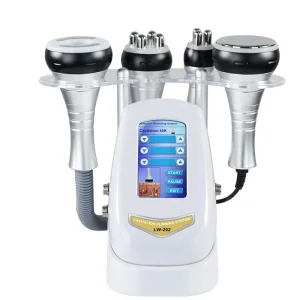
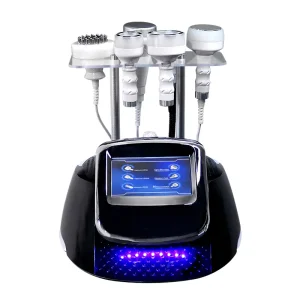
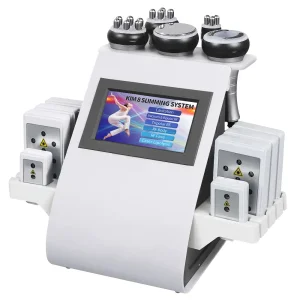
Specialized Aesthetic & Body Contouring Machinery
Broaden your commercial treatment lineup with professional slimming, hydrodermabrasion, laser, and photodynamic therapy systems direct from our Shenzhen workshops.