
Featured Industrial & Personal Care Hardware Solutions
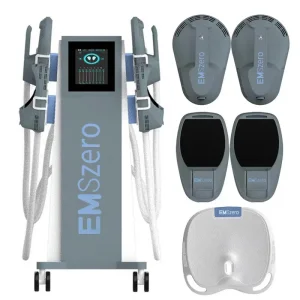
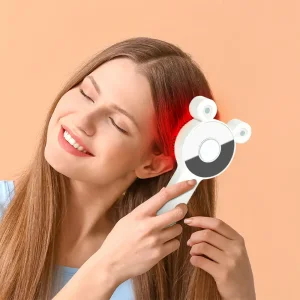
Explore our core aesthetic machinery portfolio direct from source manufacturing lines, fully customizable for OEM/ODM private labeling.
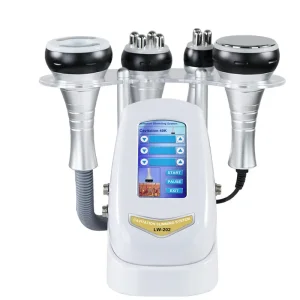
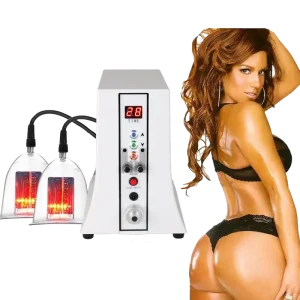
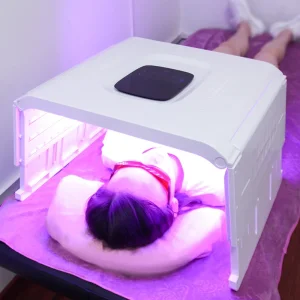

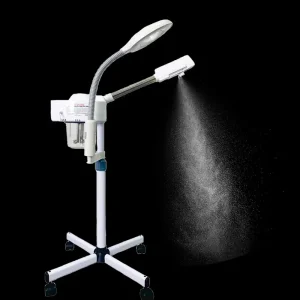
Global Commercial & Industrial Landscape (2025–2030)
Strategic market analysis of home microdermabrasion machinery manufacturing, trade dynamics, and consumer demand shifts.
The global market for aesthetic skincare equipment has undergone a structural paradigm shift over the past five years. Historically constrained to specialized clinical dermatological practices and high-end med-spas, non-invasive facial resurfacing technology has aggressively decentralized into the direct-to-consumer (D2C) and home-care hardware sector. At the center of this evolution is the at home microdermabrasion machine—a compact, high-efficiency system designed to deliver controlled stratum corneum exfoliation, mechanical lymphatic drainage, and transdermal serum infusion without professional oversight.
Driven by advancements in miniature brushless vacuum motors, electroplated micro-diamond tip metallurgy, and integrated skin-barrier pressure sensors, the demand for custom best at home microdermabrasion machine suppliers and factories has expanded at a compound annual growth rate (CAGR) exceeding 12.4%. B2B buyers—ranging from established beauty electronics brands to venture-backed D2C skincare startups—are seeking manufacturing partners capable of balancing clinical-grade vacuum pressure dynamics with stringent international consumer safety standards.
Engineering Parameter Matrix: Clinical vs. Consumer OEM Microdermabrasion Hardware
| Specification Metric | Clinical Medical-Grade Systems | Standard Consumer Mass-Market Devices | Custom OEM/ODM At-Home Benchmark (Aidiesin Standard) |
|---|---|---|---|
| Vacuum Suction Force (kPa) | 65 kPa – 90 kPa | 25 kPa – 40 kPa | 45 kPa – 60 kPa (Intelligent Variable Control) |
| Exfoliation Mechanism | Coarse Loose Crystal / Heavy Diamond Wand | Molded Plastic / Low-Grade Aluminum Oxide | Laser-Etched Synthetic Diamond Dust (100–240 Grit) |
| Motor Lifespan & Duty Cycle | 5,000+ Continuous Hours | 150–200 Total Hours | 1,200+ Hours (Brushless DC Micro-Pump) |
| Fluidic Management | Dual-Tank Peristaltic Closed Loop | Dry Only (No Liquid Interface) | Hydro-Dermabrasion Recirculating Waste Separation |
| Safety Cut-off System | Manual Foot Pedal Switch | None (Risk of Mechanical Bruising) | AI Skin-Impedance Sensor (Auto-Release > 3 sec) |
Engineering Architecture & Technology Roadmap
Inside the physics of pneumatic suction, diamond surface metallurgy, and smart micro-fluidic delivery.
Pneumatic Micro-Vacuum Engineering
The core mechanism of any superior microdermabrasion unit lies in pneumatic negative pressure control. Our custom factory configurations utilize medical-grade diaphragm pumps engineered to generate precise sub-atmospheric pressure. By maintaining a linear suction curve between 40 kPa and 60 kPa, the device safely lifts keratinized tissue into contact with abrasive tips without causing subdermal capillary rupture or petechiae.
Diamond Dust Electroplating Metallurgy
Rather than relying on uncontrolled loose aluminum oxide crystals—which pose ocular inhalation hazards—modern OEM manufacturing focuses on nickel-electroplated micro-diamond abrasive tips. We utilize synthetic industrial diamonds graded precisely from 80 grit (deep body exfoliation) down to 240 grit (sensitive facial contours), ensuring uniform micro-abrasion depth across diverse skin phototypes.
Closed-Loop Hydro-Dermabrasion Mechanics
Next-generation home microdermabrasion hardware integrates dual micro-reservoirs for simultaneous pneumatic vacuum exfoliation and active serum infusion. By leveraging micro-peristaltic fluid mechanics, the device flushes lactic/salicylic acid solutions across the stratum corneum while instantly vacuuming exfoliated debris into a isolated waste containment chamber, preventing fluid cross-contamination.
5-Year Technology Integration Roadmap (2025 – 2030)
China Factory Supply Chain Resilience & SCM Efficiency
Why leading global aesthetic brands partner with Shenzhen and Guangdong hardware manufacturing clusters.
Navigating global consumer electronics manufacturing demands more than simple low-cost assembly; it requires end-to-end supply chain integration, rapid tooling capability, robust component traceability, and uncompromised quality assurance. The Greater Bay Area (Shenzhen-Dongguan aesthetic electronics hub) accounts for over 85% of global personal care device manufacturing due to unmatched structural ecosystem advantages.
Vertical Industrial Ecosystem
From precision mold injection workshops and SMT surface-mount PCB assembly lines to diamond powder electroplating plants, our localized supplier ecosystem minimizes BOM lead times. A new custom housing modification or internal pneumatic re-engineering can transition from CAD design to functional prototype within 7 to 10 working days.
Economies of Scale & BOM Optimization
Direct factory procurement eliminates middle-tier broker margins. Through high-volume procurement of core micro-pumps, lithium-ion battery cells (UN38.3 certified), and medical-grade PC/ABS polymers, our manufacturing operations deliver a 30% to 42% Bill of Materials (BOM) cost advantage compared to localized Western assembly.
Rigorous Quality Control Systems (ISO13485)
Every microdermabrasion system undergoes strict multi-stage quality gates: 100% negative-pressure vacuum decay testing, high-temperature battery stress testing, acoustic decibel emission checks, and drop-impact resistance verification before final export packaging.
Localized Application Scenarios & Regional Market Demographics
Tailoring hardware configurations to distinct regional regulations, consumer habits, and brand channels.
High-Vacuum D2C Retail & Subscription Models
In North America, consumer preference skews toward high-suction, immediate-gratification exfoliation systems with transparent waste collection windows. Successful brand models pair customized hardware with subscription-based diamond tip replacement packs (30-day wear cycle) and specialized prep/post hydro serums, maximizing Customer Lifetime Value (LTV).
Strict Eco-Design & Low-Noise Ergonomics
European buyers prioritize environmental compliance (RoHS 2.0, REACH chemical safety) and quiet operation (< 50dB). Hardware destined for the EU features recyclable silicone seals, bio-compatible TPU tip rings, minimalist matte visual finishes, and USB-C universal charging protocols without redundant wall adapters.
Multi-Tech Hydro-Combos & High-Humid Protection
Asian and Middle Eastern consumers favor gentler hydro-dermabrasion systems combined with auxiliary modalities such as hot/cold soothing plates or EMS micro-current tightening features. Factories must supply IPX6 waterproof sealing due to humid bathroom storage environments.
Localized Support, Compliance & Regulatory Assurance
Mitigating commercial risk through international certifications and complete OEM turnkey support.
Distributing personal aesthetic electronics globally requires seamless compliance with electrical safety, battery transport, and medical/cosmetic device frameworks. A reputable manufacturing partner acts as a regulatory fortress, providing importers with full technical documentation (Technical Construction Files) necessary for smooth customs clearance and retail compliance audits.
Compliance Certification Suite
Our OEM manufacturing lines operate under standardized quality management protocols. Hardware produced is pre-validated for:
- CE-EMC / CE-LVD: European Union electrical safety compliance.
- FDA 510(k) Pathway / Class I Device Registration: US market clearance.
- RoHS & REACH: Heavy-metal and hazardous chemical restrictions.
- UN38.3 & MSDS: Air/Sea lithium-ion battery transportation security.
Turnkey OEM/ODM Private Label Services
We provide comprehensive branding customization from concept design to retail-ready packaging:
- Custom Injection Molding: Pantone color matching & metallic UV spray finishes.
- Laser Marking & Silk Screening: Durable brand logo placement.
- UI/UX Customization: Custom OLED screen boot logos and multi-lingual menus.
- Bespoke Packaging Design: Rigid gift boxes, eco-friendly molded pulp trays, and localized user manuals.
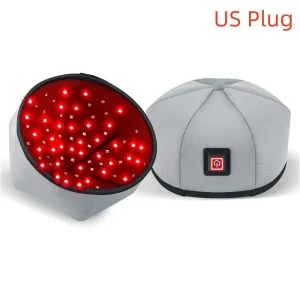
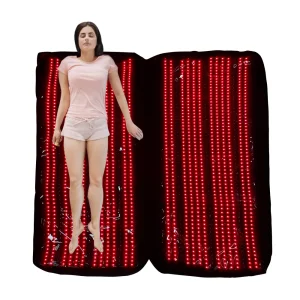
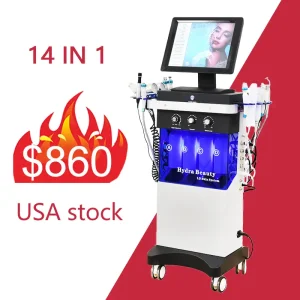
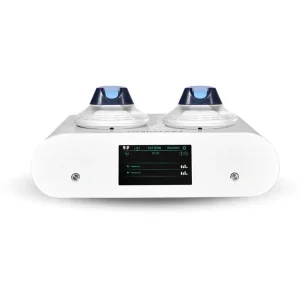
Advanced OEM/ODM Aesthetic Equipment Range
Expand your product catalog with high-demand body sculpting, laser therapy, and hydro-peeling systems.
B2B & Technical Procurement FAQ
Critical engineering, regulatory, and sourcing questions answered by senior aesthetic device specialists.
What is the optimal vacuum pressure range for safe at-home microdermabrasion devices?
For consumer home-use devices, the safest effective vacuum suction force ranges between 40 kPa and 55 kPa. Pressure below 30 kPa provides insufficient vacuum tension to raise skin into proper contact with abrasive diamond tips, yielding sub-optimal exfoliation. Pressure exceeding 65 kPa carries a severe risk of epidermal tearing, petechiae (broken capillaries), and tissue bruising when operated by non-licensed consumers. Aidiesin machines incorporate an auto-relieving electromagnetic valve that bleeds pressure if the wand remains static on a single skin zone for longer than 3 seconds.
How do electroplated diamond tips compare to crystal microdermabrasion in consumer devices?
Electroplated diamond tips are vastly superior for home-use hardware. Crystal microdermabrasion relies on propelling microscopic aluminum oxide crystals across the skin and immediately vacuuming them up. In a home environment, loose crystals present significant hazards: potential corneal abrasion if crystals enter the eye, pulmonary irritation if inhaled, and frequent clogging of internal pump valves. Diamond tips utilize synthetic diamond dust permanently bonded via nickel electroplating to stainless steel heads, providing precise micro-abrasion with zero particulate risk and simplified sanitization.
What are the Minimum Order Quantities (MOQ) and lead times for OEM custom microdermabrasion manufacturing?
Our standard factory MOQ for private-label OEM projects (custom logo, customized housing color, localized user manuals, and branded gift boxes) starts at 500 to 1,000 units depending on housing complexity. Fully customized ODM projects requiring unique industrial design molds typically require an MOQ of 3,000 units. Prototype samples are dispatched within 7 working days, while mass production lead times average 25 to 30 calendar days post-sample approval.
How do you prevent internal liquid/serum ingress from damaging the micro-vacuum pump?
Hydro-dermabrasion and liquid-infused microdermabrasion units utilize a dual-stage isolation mechanism. First, the air-liquid separation chamber employs a hydrophobic PTFE (polytetrafluoroethylene) membrane filter that permits air passage while blocking liquid droplets down to 0.2 microns. Second, an optical liquid-level sensor inside the waste tank automatically shuts off the vacuum motor if fluid levels reach maximum capacity, safeguarding the motor coils from moisture corrosion.
What compliance documents are provided for customs clearance in North America and Europe?
We provide a full Technical Construction File (TCF) including CE-EMC, CE-LVD compliance certificates, RoHS 2.0 chemical analysis test reports, FCC Part 15 subpart B reports for US market radio-frequency safety, UN38.3 battery transport safety documentation, and MSDS sheets. For medical or specialty cosmetic classification, we assist brand partners with FDA device listing and 510(k) file preparation where applicable.
Can the device interface and display screen be customized for local languages?
Yes. Our engineering team customizes full-color LCD/OLED software interfaces. We can program multi-lingual navigation menus (English, Spanish, French, German, Arabic, Japanese, etc.), incorporate your custom boot logo animation, and adjust preset treatment timers or intensity algorithms to align with your target market's preferences.
Partner With a Trusted OEM/ODM Beauty Hardware Manufacturer
Contact our engineering sales team today to request complete CAD drawings, unit BOM quotes, or custom prototype development for your aesthetic device line.