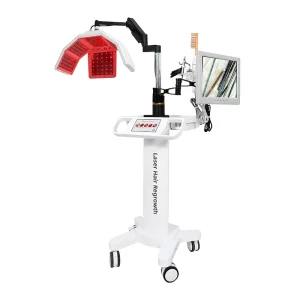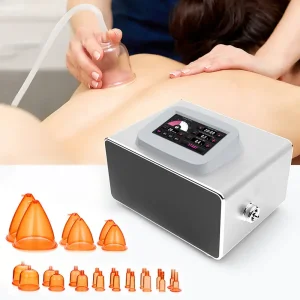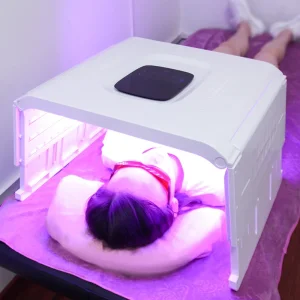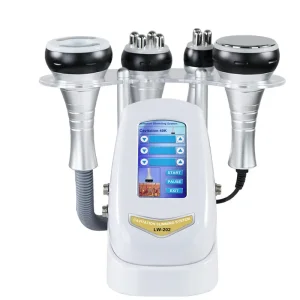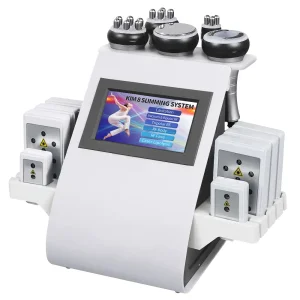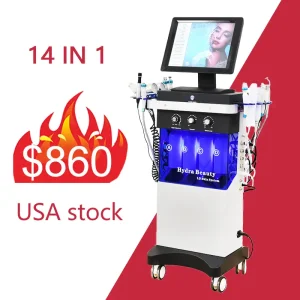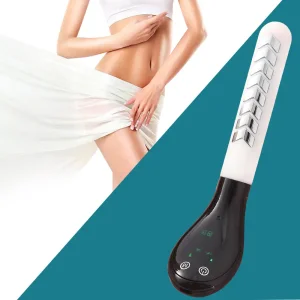
Featured Aesthetic Innovations & Flagship Equipment
Explore our premium factory-direct clinical devices engineered for high-turnover medical spas, dermatology clinics, and global beauty distributors.
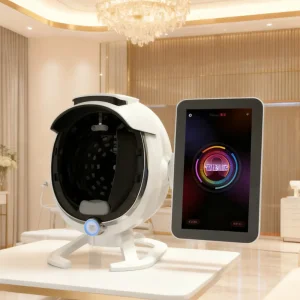
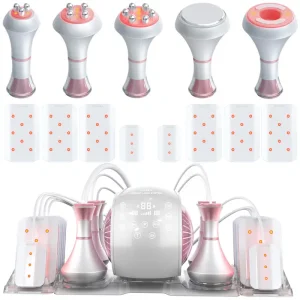
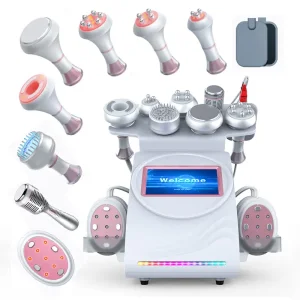
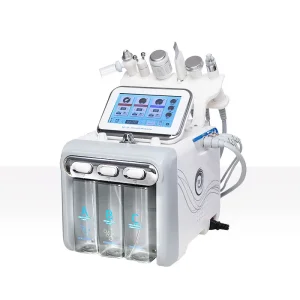
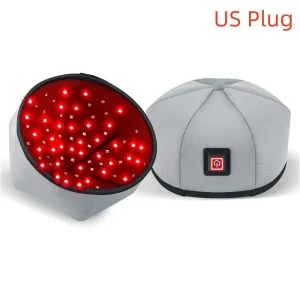
Executive Summary: The Evolution of Non-Invasive Resurfacing Technology
The aesthetic skin care industry has undergone a monumental shift toward non-invasive, multi-modal facial resurfacing treatments. Within this landscape, the 3 In 1 Diamond Microdermabrasion Machine stands as a foundational pillar for professional MedSpas, dermatology centers, and commercial wellness clinics globally. Modern medical aesthetics demand devices that offer immediate visual refinement, zero downtime, and enhanced transdermal delivery of bio-active serums. By integrating mechanical diamond peeling, adjustable vacuum negative pressure, and targeted spray/ultrasonic liquid infusion into a unified platform, custom manufacturers provide global sourcing partners with unprecedented clinical flexibility and commercial profitability.
Key Information Gain Insight for B2B Importers
Unlike legacy crystal dermabrasion systems that carried risks of particulate inhalation and irregular epidermal scarring, modern 3-in-1 diamond microdermabrasion platforms utilize laser-cut synthetic diamond grit heads paired with precision diaphragm pumps. This ensures uniform stratum corneum exfoliation while simultaneously priming the skin matrix for maximum sonophoresis and spray hydration absorption.
Global Commercial & Industrial Status of 3-in-1 Microdermabrasion Platforms
An empirical assessment of regional market demands, purchasing behavior, and commercial penetration across key economic zones.
North America (US & Canada)
High dominance of MedSpas requiring FDA-compliant, multi-functional facial carts. Demand focuses heavily on custom OEM branding, low noise emission (<50dB), and medical-grade diamond tips suitable for combination therapy (e.g., pre-laser exfoliation).
European Union & UK
Strict adherence to CE Medical Directives, RoHS material safety, and eco-design standards. Buyers prioritize recyclable stainless steel wands, sterilizable diamond heads, and energy-efficient dual-pump vacuum architectures.
Asia-Pacific & Middle East
Rapid expansion in boutique beauty salons and anti-aging franchises. Market drivers include high-pressure spray misting attachments for rapid skin rehydration in arid climates and competitive unit pricing for quick business setup.
The global demand for multifunctional aesthetic systems has transitioned from standalone single-purpose units to compact 3-in-1 modular platforms. Industrial buyers, ranging from clinical supply distributors to private-label aesthetic brands, seek suppliers capable of customizing vacuum pressure metrics, wand tip grit arrays, and housing aesthetics to align with local regulatory frameworks and brand identities.
Technical Architecture of the 3-in-1 Diamond Microdermabrasion Machine
A rigorous engineering breakdown of mechanical exfoliation, pneumatic vacuum dynamics, and fluidic infusion modules.
| Subsystem Module | Engineering Specifications | Clinical Purpose | Industrial OEM Options |
|---|---|---|---|
| 1. Diamond Peeling Wand | 9 Surgical Stainless Steel Heads (70 to 240 Grit Mesh) | Precision mechanical desquamation of stratum corneum | Laser logo engraving, custom grit distribution, quick-connect fittings |
| 2. Vacuum Suction Engine | Oil-free dual diaphragm pump (580 to 750 mmHg / 68-75 kPa) | Lymphatic drainage, pore debris extraction, blood circulation stimulation | Brushless motor upgrade, custom pressure gauges, silent damping chassis |
| 3. Spray / Fluidic Infusion | 0.2 to 0.4 mm micro-atomization nozzle (0.15–0.3 MPa air pressure) | Deep epidermic rehydration, tonic misting, post-peel soothing | Bespoke reservoir volumes, anti-clogging internal tubing, LED indicator tips |
Synergistic Triad Mechanics
The efficacy of a 3-in-1 system relies on the harmonious interaction of its three core operational modes:
- Mechanical Exfoliation (Diamond Tip): Diamond microdermabrasion replaces outdated aluminum oxide crystals. Synthetic diamond flakes fused to stainless steel wands systematically abrade hyper-keratinized skin cells, reducing epidermal thickness variations without chemical irritation.
- Pneumatic Vacuum Drainage: Negative pressure pulls the skin target surface flush against the diamond wand tip, guaranteeing consistent contact pressure. Concurrently, vacuum suction evacuates cellular detritus into a closed-loop filtration assembly, micro-stimulating cutaneous micro-circulation.
- Atomized Transdermal Hydration: Post-exfoliation skin exhibits reduced transepidermal water barrier resistance. The integrated spray delivery nozzle uses controlled air compression to break liquid serums into micro-droplets (sub-50 micron scale), ensuring instantaneous penetration into open micro-channels.
China Manufacturing Efficiency & Supply Chain Dominance
Why Guangdong's aesthetic machinery manufacturing hubs provide unmatched cost, quality, and customization advantages for global B2B buyers.
Vertical Supply Chain Integration
From precision CNC machining of stainless steel wands to localized molding of ABS flame-retardant chassis and circuit board assembly, Chinese manufacturing ecosystems eliminate multi-tier middleman delays.
Cost Optimization & Scale Economies
Mass production capabilities allow factories to source high-durability oil-free vacuum pumps and medical-grade filters at a fraction of Western production costs, directly benefiting distributor profit margins.
Rigorous Quality Assurance & Testing
Leading suppliers implement ISO13485 quality control pipelines. Every 3-in-1 unit undergoes a continuous 72-hour aging test, vacuum leakage testing, and voltage stability checks before export packaging.
Through flexible OEM/ODM cooperation models, global brands can secure custom outer housing molds, specialized graphic interfaces, localized voltage wiring (110V/220V), and branded packaging with low minimum order quantities (MOQs). This agility allows beauty equipment importers to rapidly adapt to trending aesthetic demands without capital-intensive internal R&D investments.
Localized Clinical Applications & MedSpa Revenue Models
Unlocking commercial value across diverse professional treatment environments and client demographics.
Pre-Laser & Chemical Peel Preparation
Dermatology clinics utilize mild 200-grit diamond dermabrasion to strip away superficial lipid barriers. This ensures uniform acid penetration during chemical peels and reduces optical scattering before IPL/Diode laser therapies.
Express Glow Facial Menus
Commercial day spas offer 30-minute express treatment packages: 10 mins diamond peeling, 10 mins vacuum blackhead extraction, and 10 mins anti-oxidant spray infusion. This model drives high daily client throughput.
High-Margin Consumable Sales
Beyond treatment fees, clinics generate recurring revenue by pairing spray misting sessions with proprietary hyaluronic acid, vitamin C, and peptide ampoules designed for home post-care maintenance.
Financial ROI Breakdown for Aesthetic Clinics
With an average treatment cost ranging from $80 to $150 per session and consumable costs under $3 per client (cotton filter replacement + serum allotment), a commercial 3-in-1 diamond microdermabrasion system typically achieves full capital expenditure payback within 15 to 30 operational days.
B2B Buyer's Sourcing Checklist & Quality Assessment Standards
Key technical parameters global purchasing managers must evaluate before signing supply contracts.
1. Vacuum Pump Motor Architecture
The core engine determines machine lifespan. Insist on oil-free dual-piston or brushless diaphragm pumps. Cheaper brush DC motors degrade quickly under continuous suction loads, leading to loss of negative pressure (<40 kPa) and excessive noise heat generation.
2. Diamond Grit Uniformity & Bonding Mechanics
Cheap diamond tips suffer from uneven grit distribution and micro-shedding of synthetic particles onto the patient's skin. High-grade suppliers use electroplated nickel-chromium bonding to securely lock high-purity micro-diamonds to 316 medical stainless steel cores.
3. Fluidic Spray Atomization Efficiency
Verify that the spray gun assembly utilizes stainless steel inner fluid needles rather than brass components, which corrode when exposed to acidic toners or high-concentration vitamin serums.
4. Regulatory Compliance & Documentation
Ensure the manufacturer provides full technical construction files (TCF), CE EMC/LVD compliance certificates, RoHS material test reports, and ISO13485 factory audit records necessary for smooth customs importation.
Future Industry Trends (2025–2030): Next-Gen Microdermabrasion
Emerging technological integration reshaping the future of mechanical exfoliation equipment.
Smart Vacuum Sensing & AI Feedback
Next-generation devices integrate real-time skin resistance sensors that auto-adjust vacuum pressure levels based on epidermal elasticity, preventing bruising on delicate peri-orbital areas.
Hybrid Hydro-Diamond Mechanisms
Convergence of dry diamond grinding with concurrent liquid vortex flushing. This dual-action mechanism exfoliates while instantly bathing the tissue in soothing botanical solutions.
Modular Plug-and-Play Handpieces
Modular quick-connect ports allow operators to rapidly swap between diamond dermabrasion wands, cold therapy hammers, needle-free mesotherapy guns, and high-frequency wands on a single housing unit.
Frequently Asked Questions (FAQ) & Sourcing Technical Guidance
In-depth technical and commercial answers tailored for aesthetic device buyers and distributors.
Explore Additional Professional Aesthetic Hardware
Complete your clinical treatment menu with our broader spectrum of slimming, laser, and skin care equipment.