
High-Demand Aesthetic & Phototherapy Equipment
Explore our factory-direct OEM/ODM devices certified for international export and clinic-grade performance.
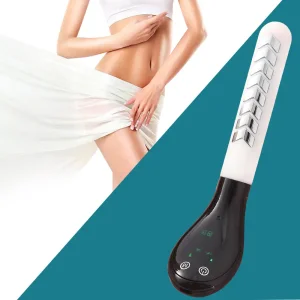
OEM China Pelvic Floor Tightening Device for Vaginal Repair & Infection Prevention
View Details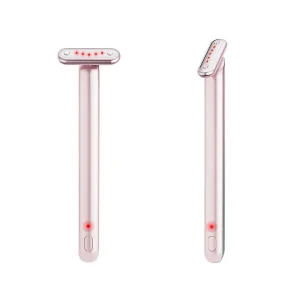
ODM China Suppliers LED Facial Wand with EMS for Face and Neck Lightening
View Details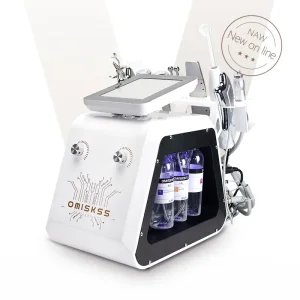
Buy China Suppliers Factory Price New 10 in 1 Small Bubble Ultrasonic Hydra Beauty Machine
View Details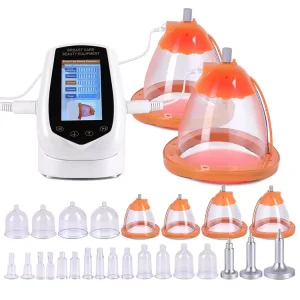
Buy China Suppliers Factory for Breast Vacuum Therapy Butt Lifting Enlargement Pump
View Details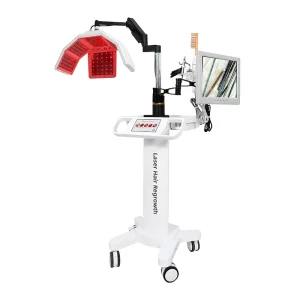
CE Certification China 650nm Diode Laser Hair Regrowth Machine Anti-Hair Loss Solution
View Details
CE Certification China 650nm Laser Hair Regrowth Machine Anti Hair Loss Device
View Details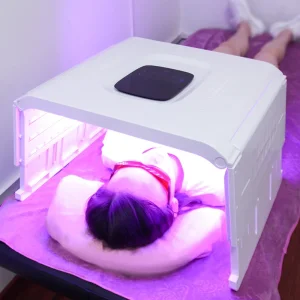
Custom 6 Color LED Light Therapy Device Face Beauty Full Body Anti-aging Capsule
View Details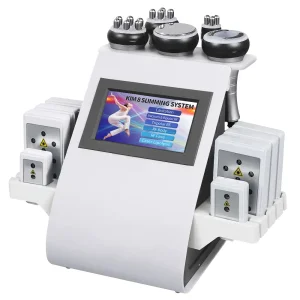
OEM China Suppliers Lipolaser 40K Cavitation RF Vacuum Slimming Machine
View DetailsUnderstanding CE Certified Red Light Therapy Masks in Global B2B Procurement
The photobiomodulation (PBM) market has evolved from rigid, bulky clinical devices to flexible, medical-grade silicone LED facial masks. As international consumer electronics brands, aesthetic clinic chains, and medical device distributors scale their beauty tech portfolios, selecting a compliant, high-irradiance OEM supplier becomes the primary driver of commercial success.
The Photobiomodulation Science & Wavelength Accuracy
Red Light Therapy operates via chromophore activation within human cells. Specifically, cytochrome c oxidase (CCO) inside the mitochondria absorbs photons in the red (630nm–660nm) and near-infrared (830nm–850nm) spectral bands. This absorption stimulates adenosine triphosphate (ATP) synthesis, down-regulates reactive oxygen species (ROS), and accelerates collagen type I synthesis.
For B2B buyers, verifying a supplier's spectral output via integrated sphere spectrophotometer testing is paramount. Cheap imitations often utilize standard RGB LEDs with peak variance wider than ±15nm, rendering them therapeutically ineffective. Professional-grade CE Certified Red Light Masks maintain tight spectral tolerances of ±3nm to ensure true clinical efficacy.
Irradiance vs. Heat Dissipation Engineering
Optical power density (irradiance), measured in milliwatts per square centimeter ($mW/cm^2$), dictates treatment dosage ($J/cm^2$). Clinical photobiomodulation requires a targeted energy density between $30 mW/cm^2$ and $50 mW/cm^2$ at zero distance from the stratum corneum.
Engineering high-irradiance output inside a flexible silicone mask introduces thermal management challenges. Top-tier Chinese manufacturers employ dual-chip Surface Mount Devices (SMD LEDs) embedded within ultra-thin flexible printed circuits (FPC) backed by heat-dissipating aluminum foils. This structural design prevents skin heat accumulation while ensuring uniform photon distribution across all facial contours.
Industrial Specification Matrix: Commercial Grade vs. Consumer Grade
When sourcing from Red Light Mask Suppliers, key engineering parameters dictate both regulatory compliance and market pricing. Below is an authentic technical breakdown for enterprise procurement officers.
| Specification / Parameter | Medical-Grade OEM Standard | Commercial Grade (B2B Bulk) | Low-Cost Consumer Grade |
|---|---|---|---|
| Primary Wavelengths | 630nm ± 3nm & 850nm ± 3nm (Dual-Chip) | 630nm ± 5nm & 830nm ± 5nm | 620nm – 670nm Wide Spectrum |
| Target Irradiance Output | $45 mW/cm^2 - 60 mW/cm^2$ @ surface | $30 mW/cm^2 - 40 mW/cm^2$ @ surface | $< 15 mW/cm^2$ (Ineffective dosage) |
| Housing Material | Platinum-cured Food/Medical Grade Silicone | Liquid Silicone Rubber (LSR) | Recycled Rigid ABS Plastic |
| Photobiological Safety | Passes IEC/EN 62471 Eye Safety (Zero Blue Risk) | Passes EN 62471 Standard Risk Group | Uncertified Eye Risk / No Goggles |
| CE Certification Path | CE Medical Device Regulation (MDR 2017/745) | CE-EMC (2014/30/EU) + CE-LVD (2014/35/EU) | Self-Declared / Unverified Markings |
| Controller Tech | Smart Microcontroller w/ Auto-timer & Li-ion Pack | Multi-setting Handheld Controller | Basic Inline USB Wire Switch |
CE Certification & International Compliance Standards
Navigating European and international trade regulations requires clear certification paths. Reliable suppliers must provide genuine testing reports issued by accredited Notified Bodies (NB).
CE-EMC & CE-LVD Directives
For non-medical aesthetic entry in the EU, masks must comply with the Electromagnetic Compatibility Directive (2014/30/EU) to ensure zero RF interference, and the Low Voltage Directive (2014/35/EU) guaranteeing electrical safety during battery charging cycles.
EN 62471 Photobiological Safety
Direct optical exposure to facial skin and proximity to eyes necessitates strict compliance with EN 62471 standards. Testing certifies that emitted LED light sources cause no retinal damage, actinic UV damage, or thermal hazard to human eyes.
RoHS & REACH Material Testing
Silicones, straps, and internal circuitry must pass Restriction of Hazardous Substances (RoHS) directives. Chemical analysis ensures zero lead, mercury, cadmium, or phthalates are absorbed into skin tissues under sweating conditions.
Why Top Global Brands Partner with Chinese LED Mask Manufacturers
China, particularly the Shenzhen and Pearl River Delta technology cluster, accounts for over 85% of global phototherapy device production. This concentration yields unmatched operational advantages for overseas enterprise buyers.
Complete Ecosystem Integration
From precision silicone molding factories to automated SMT PCB assembly lines and chip wafer encapsulators, China’s vertical integration drastically reduces lead times for prototype development and mass-scale fulfillment.
Bespoke OEM/ODM Customization
Chinese suppliers offer comprehensive white-labeling capabilities: customized mask shapes, tailored LED counts (100 to 360+ LEDs), custom silk-screen branding, app-controlled wireless controllers, and luxury retail packaging.
Rigorous QA & Testing Protocols
Leading factories deploy automated optical inspection (AOI), aging burn-in test chambers (running masks continuously for 4–8 hours), drop testing, and waterproof ingress verification (IPX5/IPX7) prior to shipping.
Target Deployment Scenarios for Red Light Therapy Masks
Understanding how localized buyers utilize LED facial masks enables distributors to tailor their product positioning effectively across distinct commercial verticals.
Dermatology Clinics & Post-Op Recovery
Following fractional CO2 laser resurfacing, microneedling, or chemical peels, skin exhibits significant erythema and barrier disruption. Clinical practitioners use medical-grade red (630nm) and NIR (850nm) phototherapy to accelerate microvascular healing, reduce patient down-time, and lower post-inflammatory hyperpigmentation (PIH) risks.
Luxury Medical Spas & Aesthetic Chains
MedSpas integrate light masks into express facial menus or offer them as an add-on recovery protocol during body contouring sessions. High-density, multi-color LED masks (incorporating 415nm Blue for acne control and 590nm Yellow for redness relief) deliver high-margin revenue streams with zero extra labor required from aesthetician staff.
Omnichannel E-Commerce & D2C Brands
Direct-to-consumer skincare brands package flexible silicone red light masks alongside topicals such as hyaluronic acid or peptide serums. The light mask acts as a premium hero product that boosts Average Order Value (AOV) and creates long-term brand equity in competitive online marketplaces.
Hotel & Resort Wellness Amenities
Five-star wellness resorts are adopting in-room phototherapy devices for jet-lag mitigation and holistic skin rejuvenation. Lightweight, rechargeable silicone masks with universal USB-C controllers offer an intuitive, self-service luxury touchpoint for discerning global travelers.
Future Tech Roadmap: Photobiomodulation Innovation (2025-2030)
Staying ahead in the beauty device industry requires anticipating next-generation light therapy developments. Manufacturers are currently advancing several key innovations:
1072nm Deep-NIR Integration
While 850nm penetrates to the reticular dermis, emerging research highlights 1072nm near-infrared wavelengths for deeper subcutaneous tissue and bone micro-circulation, accelerating cellular repair without thermal damage.
AI-Driven Adaptive Dosing
Next-gen controllers feature optical sensors that measure individual skin reflectance and melanin levels, dynamically adjusting LED intensity and treatment duration to prevent plateau effects and optimize skin response.
Hybrid EMS + Phototherapy
Combining light therapy with low-frequency electrical muscle stimulation (EMS) or microcurrent within the same flexible face contour allows simultaneous dermal collagen synthesis and facial muscle toning.
Frequently Asked Questions (FAQ) for Global Buyers
Key answers to technical, regulatory, and supply chain questions encountered during wholesale procurement.
What specific test documentation is required for CE compliance when importing LED face masks into Europe?
How does silicone quality impact product longevity and safety in red light masks?
Why is 850nm Near-Infrared (NIR) invisible to the naked eye during operation?
What are typical Minimum Order Quantities (MOQ) and lead times for OEM red light mask manufacturing in China?
How do manufacturers guarantee uniform light distribution across facial contours?
Can red light masks be customized with multi-wavelength combinations like Blue, Amber, and Green?
Explore Additional Aesthetic Equipment Lines
Factory-direct aesthetic hardware engineered for international clinical and spa distributors.
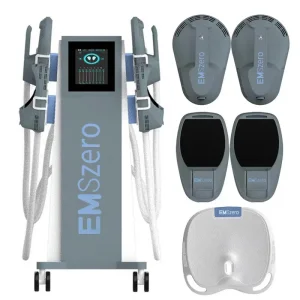
Custom China EMS Body Sculpt RF Muscle Stimulator Slimming Machine
View Details
ODM China Suppliers Factory Price: New 10 in 1 Small Bubble Ultrasonic Hydra Beauty Machine
View Details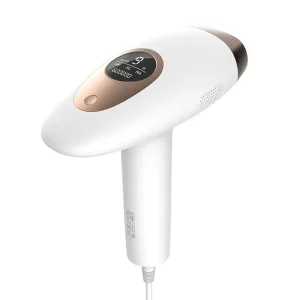
Custom China Suppliers Factory: IPL Hair Removal Ice Cool Laser for Safe Hair Removal
View Details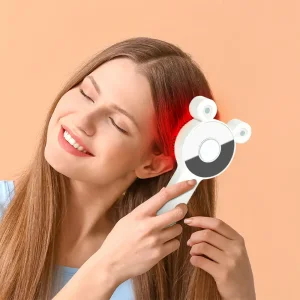
CE Certification China Oil Scalp Massage Comb with Sprayer for Hair Growth
View Details
CE Certification 650nm laser hair regrow anti hair lose machine manufacturer
View Details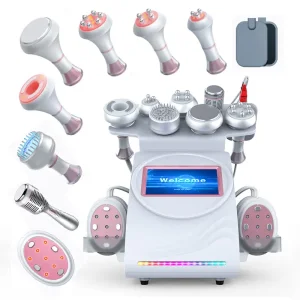
Custom 80K Ultrasonic Cavitation Lipo Laser Weight Loss Machine
View Details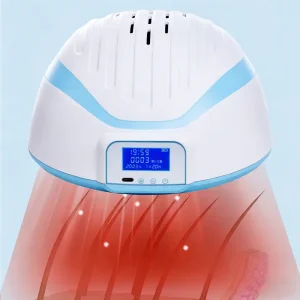
CE Certification VCSEL Laser Light Hair Regrow Hat For Home & Salon Use
View Details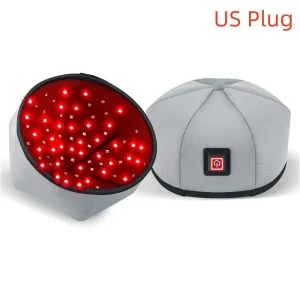
Custom Laser Red Light therapy Hair Growth Cap Exporter, Manufacturers
View DetailsPartner with China's Premier LED Light Mask Factory
Request complete engineering specifications, CE compliance certificates, and tiered OEM volume pricing directly from our technical sales engineering team.