Featured Professional Equipment & Home-Use Systems
Direct factory export products adhering to rigorous CE standards and photobiological safety benchmarks.
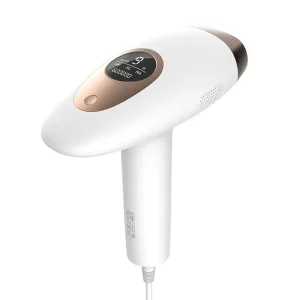
Buy Ipl hair removal ice cool laser freezing point Manufacturers, Manufacturer
View Details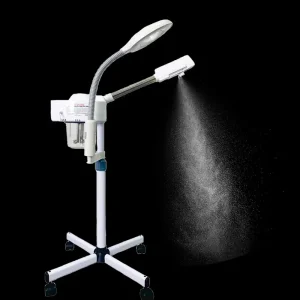
CE Certification China Suppliers Factory Nano Spray Face Moisturizing Steamer with Magnifying Light for Spa and Home Use Suppliers, Manufacturers
View Details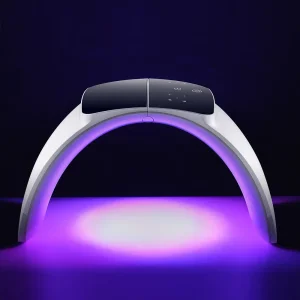
ODM China LED Facial Light Therapy Machine - 7 Color Spa Lamp from Trusted Suppliers & Factory for Skin Health Exporters, Suppliers
View Details
Custom China Suppliers Nano Spray Face Moisturizing Steamer with Magnifying Light - Professional Quality Facial Treatment Factory Service, Supplier
View Details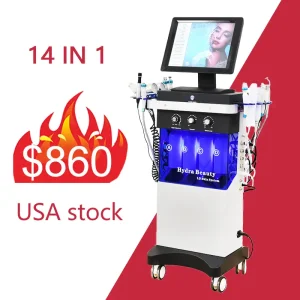
OEM 14-in-1 Hydra Beauty Microdermabrasion Diamond Peeling Machine from Leading China Suppliers and Factory Manufacturers, Manufacturer
View Details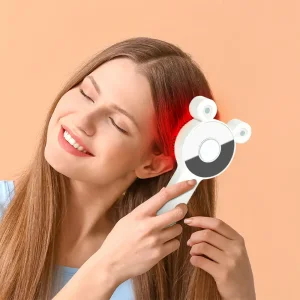
OEM China Suppliers Factory Oil Scalp Massage Comb with Sprayer for Enhanced Hair Growth and Scalp Protection Exporters, Manufacturers
View Details
Buy China LED Facial Light Therapy Machine - Suppliers and Factory for Skin Rejuvenation and Acne Treatment Exporters, Supplier
View Details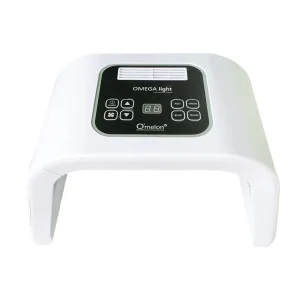
CE Certification 7 Colors Photon LED Light Face Treatment Machine - Effective Solution for Skin Concerns by China Suppliers and Factory Exporter, Supplier
View DetailsPhotobiomodulation Physics: Red vs. Blue Spectrum
Understanding optical power density, chromatic purity, and cellular chromophore stimulation.
630nm – 660nm Red Spectrum
Red light targets the mitochondrial chromophore Cytochrome c Oxidase (CCO). By stimulating electron transport, it increases Adenosine Triphosphate (ATP) production, boosts fibroblast proliferation, and accelerates collagen type I & III synthesis for anti-aging and tissue repair.
415nm ± 5nm Blue Spectrum
Blue photon energy interacts with endogenous porphyrins (specifically Coproporphyrin III) inside Propionibacterium acnes. This excitation triggers singlet oxygen release, creating a localized bactericidal effect without thermal injury to surrounding dermal structures.
830nm – 850nm Near-Infrared
NIR photons penetrate deeper into subcutaneous tissue (up to 5-10mm), modulating inflammatory cytokines (TNF-alpha, IL-6), enhancing microvascular capillary blood flow, and relieving musculoskeletal inflammation in medical wellness applications.
Technical Insight: The Power Density vs. Joules Fallacy
In B2B phototherapy procurement, total energy fluence (expressed in $J/cm^2$) is meaningless without strict parameters for continuous irradiance ($mW/cm^2$) and treatment time. Medical clinical efficacy requires maintaining target irradiance within the optical window of $30 mW/cm^2$ to $120 mW/cm^2$ at a standardized distance of 10cm to 15cm from the skin surface.
Global Commercial Dynamics & Sourcing Demands
Analysis of regional adoption trends, clinic menu expansion, and distributor profit margins across major markets.
North America & European Medical Spa Trends
In North America and the EU, dermatologists and medical spas are aggressively integrating dual-wave Red/Blue phototherapy as standard post-treatment recovery protocols following laser resurfacing, microneedling, and chemical peels. This combined treatment minimizes erythema and downtime by up to 45%. Procurement trends favor multi-panel arrays with programmable wave multiplexing and ergonomic articulation.
Emerging APAC & Latin American Procurement Patterns
The Asia-Pacific and LATAM wellness markets exhibit rapid adoption of portable, high-yield multi-functional phototherapy systems. Buyers prioritize equipment that integrates secondary modalities like EMS microcurrent, thermal nano-misting, or vacuum lymphatic drainage to maximize treatment menu profitability within limited treatment room footprints.
| System Category | Primary Wavelengths | Target Irradiance range | Regulatory Tier | Primary Commercial Channel |
|---|---|---|---|---|
| Professional PDT Medical Canopy | 633nm + 415nm + 830nm | 80 - 120 mW/cm² | CE Medical Class IIa / FDA II | Dermatology Clinics, Aesthetic Hospitals |
| Compact Spa Tabletop Panel | 660nm + 415nm | 45 - 70 mW/cm² | CE LVD / EMC / RoHS | Day Spas, Wellness Salons, Medi-Spas |
| Home-Use Flexible Silicone Mask | 630nm + 850nm / 415nm | 15 - 35 mW/cm² | CE LVD / EN 62471 RG0 | E-Commerce Brands, Retail Chain Stores |
| Targeted Handheld EMS Phototherapy | 660nm + 415nm + EMS | 20 - 40 mW/cm² | CE LVD / EMC | Personal Care Direct-to-Consumer (D2C) |
Shenzhen Supply Chain & Manufacturing Efficiency
How concentrated optoelectronic ecosystems deliver unmatched precision, scale, and cost control for global exporters.
Optoelectronic Cluster Advantage
Shenzhen, China, houses over 70% of global LED die packaging and SMT (Surface Mount Technology) component capacity. Sourcing directly from high-precision semiconductor packaging facilities ensures strict wavelength selection ($\pm 3nm$ tolerance) and zero thermal decay issues.
Rapid Tooling & Prototype Cycles
Integrated OEM/ODM production workflows allow custom aluminum housing extrusion, optical lens mold fabrication, and PCB layout prototyping within 14 to 21 business days, reducing global brand time-to-market by over 50% compared to Western manufacturing hubs.
Automated Quality Control & Optical Calibration
Factories employ automated integrating spheres and spectroradiometers to inspect 100% of LED panel output. Every production batch undergoes continuous high-voltage insulation aging, thermal management strain tests, and spectral peak verifications.
CE Certification Engineering & Safety Standards
Deconstructing the technical requirements necessary for seamless customs clearance and legal distribution in Europe and global markets.
LVD (Low Voltage Directive) 2014/35/EU
Mandates strict electrical safety insulation, creepage distances, and internal power supply isolation (Class II double insulation or Class I protective earth grounding) to prevent risk of electric shock during high-current LED operation.
EMC Directive 2014/30/EU Compliance
Ensures that phototherapy equipment does not generate electromagnetic interference (EMI) that affects surrounding medical devices, while maintaining immunity against incoming radiofrequency and electrostatic discharge (ESD) events up to 8kV.
EN 62471 Photobiological Safety
Evaluates optical radiation hazards from 200nm to 3000nm. Certified equipment must achieve Risk Group 0 (Exempt) or Risk Group 1 (Low Risk) ratings, ensuring blue light hazards to the human eye retina are fully mitigated with built-in protective eyewear and wavelength shielding.
RoHS 2.0 (2011/65/EU & (EU)2015/863) Environmental Safety
All lead-free soldering processes, flame-retardant ABS housing polymers, and flexible silicone substrates strictly limit heavy metal toxins (Lead, Cadmium, Mercury, Hexavalent Chromium) and phthalates (DEHP, BBP, DBP, DIBP), fulfilling green procurement compliance for institutional importers.
End-to-End OEM & ODM Exporter Services
A structured 5-stage manufacturing workflow tailored to multinational distributors, medical equipment vendors, and beauty brands.
1. Architectural Engineering
Selecting custom spectral ratios (e.g., 50% 660nm, 30% 850nm, 20% 415nm), total LED power budget, optical secondary lens angles (30° vs. 60° beam angles), and heat dissipation chassis structure.
2. Housing & Aesthetic Design
Private-label housing mold creation, custom injection color matching (Pantone standards), matte vs. high-gloss UV coatings, and ergonomic mechanical arm articulation design.
3. Firmware & UI Development
Customizing color touchscreen GUI interfaces, multi-language system options (English, Spanish, French, German, Arabic), treatment timer logic, and RF card or IoT usage tracking integration.
4. Packaging & Compliance
Designing heavy-duty export drop-tested aluminum flight cases, eco-friendly retail color boxes, localized multi-lingual user manuals, and customized CE label compliance plates.
Commercial Deployment & Clinical Practice
Optimizing treatment menus and maximizing revenue across modern aesthetic environments.
Medical Aesthetics & Surgery Centers
Utilized as an immediate post-procedure therapeutic step following ablative CO2 laser, RF microneedling, or cosmetic surgery to rapidly calm micro-vascular tissue inflammation, minimize edema, and reduce pain scores.
Acne Management Protocols in Day Spas
Stand-alone or layered 20-minute acne clearing services combining 415nm Blue light to eliminate bacteria with 630nm Red light to accelerate healing and prevent post-inflammatory hyperpigmentation (PIH).
Scalp Care & Hair Regrowth Clinics
Integrating 650nm Red light modules into specialized trichology equipment to reactivate dormant hair follicles, increase ATP delivery to dermal papilla cells, and complement micro-needle serum delivery.
Frequently Asked Questions for B2B Importers
Expert clarity on certification validation, technical specs, production lead times, and quality guarantees.
Authentic CE certificates must be issued by an accredited European Notified Body (NB) or a recognized international testing laboratory (such as SGS, TÜV, Intertek, or Eurofins). Always request the official test reports (Test Report for LVD EN 60335/EN 60601 and EMC EN 55014/EN 60601) alongside the certificate card, and cross-reference the unique Certificate Number on the issuing body’s official online verification database.
The primary benchmark is Irradiance Power Density ($mW/cm^2$) measured at a realistic treatment distance using a calibrated spectroradiometer, combined with a narrow spectral half-bandwidth ($\Delta\lambda \le 5nm$). Professional spa and medical devices deliver between $40 mW/cm^2$ and $100+ mW/cm^2$, whereas cheap consumer units often output under $10 mW/cm^2$, rendering them clinically ineffective within reasonable treatment sessions.
LED junction temperature directly affects both output wavelength purity and photon intensity. As LED chips heat up, their wavelength shifts toward infrared (red shift), and light output decays rapidly. High-quality manufacturers employ thick aluminum core PCBs (MCPCB), active silent fan cooling networks, and aluminum thermal heat sinks to keep junction temperatures below 60°C during continuous operation.
For standard logo silk-screening and localized user manuals on existing factory housing designs, MOQs typically start as low as 5 to 10 units for large clinical platforms, and 50 to 100 units for portable tabletop devices. For fully customized plastic injection molds, custom UI firmware, or unique optical lens layouts, MOQs usually range from 300 to 500 units.
Leading exporters provide a 1-year to 2-year comprehensive warranty on main system logic boards and LED arrays, accompanied by 1% to 2% complimentary spare parts (such as replacement power modules, controllers, protective goggles, and interconnect cables) with bulk container shipments to guarantee zero downtime for clinical end-users.
Complete Aesthetic & Phototherapy Range
Explore specialized multi-technology devices manufactured for international clinics, spas, and brand distributors.
Custom Hydra Beauty Microdermabrasion Diamond Peeling Machine - 14-in-1 Beauty Treatment from China Suppliers & Factory Exporter, Manufacturers
View Details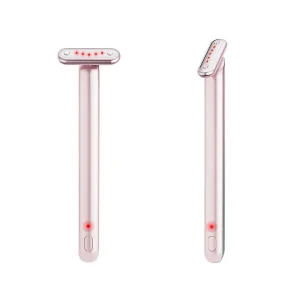
ODM China Suppliers LED Facial Wand with EMS for Face and Neck Lightening and Lifting Treatment - Factory Direct Factory, Manufacturers
View Details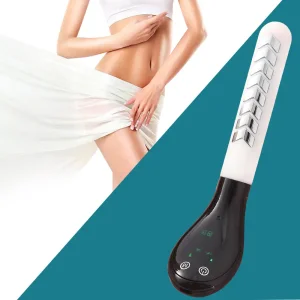
OEM China Pelvic Floor Tightening Device for Vaginal Repair & Infection Prevention - Trusted Suppliers & Factory Exporter, Supplier
View Details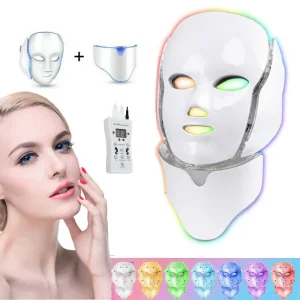
ODM New Design 7 Colors PDT LED Light Therapy Facial Mask - China Suppliers & Factory for Spa Quality Skin Care Supplier, Manufacturer
View Details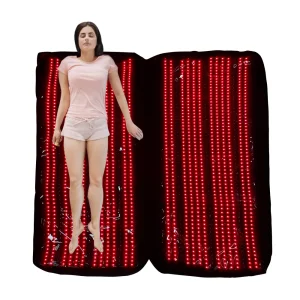
OEM China Red Infrared Light Therapy Sauna Sleeping Bag - Full Body Sculpting Mat from Trusted Suppliers & Factory Supplier, Manufacturers
View Details
Buy China Suppliers Factory Red Infrared Light Therapy Sauna Sleeping Bag for Full Body Sculpting and Skin Care Exporters, Factories
View Details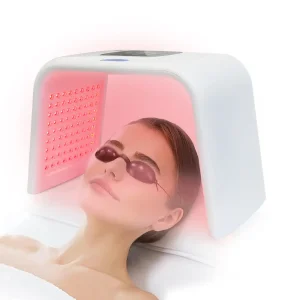
Buy LED Light Photon Facial Steam Rejuvenation PDT Machine - China Suppliers & Factory for Advanced Skincare Solutions Exporters, Supplier
View Details