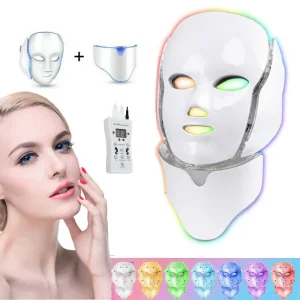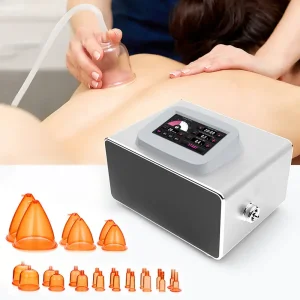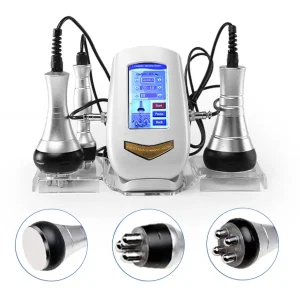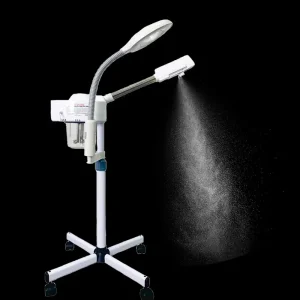
Featured Medical & Aesthetic Devices portfolio
Direct Factory-Certified Solutions Supplied for Global Importers, Distributors & Clinical Networks
Global Industry Overview & Photobiomodulation Economics
Commercial Scalability, Clinical Validation, and Supply Chain Dynamics of LLLT Devices
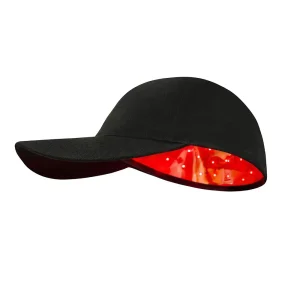
The global trichology and hair restoration market is experiencing a profound paradigm shift driven by non-invasive Photobiomodulation (PBM) technologies. Androgenetic Alopecia (AGA), diffuse thinning, and post-operative follicle miniaturization affect hundreds of millions of consumers globally. Within this commercial ecosystem, the demand for high-efficiency, medical-grade CE Certification Laser Hair Growth Caps has surged across clinical dermatology, telehealth brand portfolios, and aesthetic distributor channels.
Low-Level Laser Therapy (LLLT) operating at coherent red light spectrums (specifically 650nm to 670nm) acts as a metabolic trigger for dormant hair follicles. Unlike non-coherent Light Emitting Diodes (LEDs) which scatter optical energy at shallow cutaneous layers, true semiconductor laser diodes emit monochromatic, synchronized light waves capable of penetrating 3mm to 5mm into the subcutaneous layer. This deep optical transfer stimulates Cytochrome C Oxidase within follicular mitochondria, accelerating Adenosine Triphosphate (ATP) production, reversing follicular miniaturization, and restoring vascular micro-circulation to the scalp tissue.
Regulatory Compliance & Technical Standardizations
Navigating EU CE Directives, Medical Device Regulations (MDR), and Photobiological Safety
CE MDR (EU 2017/745)
Compliance with European Medical Device Regulations ensuring structural safety, biocompatibility of scalp contact materials (ISO 10993), and verified clinical efficiency parameters.
IEC 60825-1 Laser Safety
Rigorous class 3R laser safety verification. Ensures individual optical outputs remain strictly calibrated (≤5mW per diode) to eliminate thermal micro-injuries while maximizing radiant dosage.
EMC & LVD Standardization
Electromagnetic Compatibility (Directive 2014/30/EU) and Low Voltage Directive (Directive 2014/35/EU) certification for built-in lithium-ion management and RF interference immunity.
Information Gain: Critical Differences Between Commercial Lasers & Consumer LEDs
B2B procurement teams must thoroughly evaluate technical documentation to avoid non-compliant consumer light caps marketed fraudulently as "Laser" therapy. True CE certified laser hair growth caps integrate true gallium-arsenide (GaAs) semiconductor diode chips. The precise optical specs include:
- Optical Coherence: Laser light creates a stationary wave pattern upon hitting scalp tissue, facilitating deeper cellular absorption than scattered light.
- Energy Density (Fluence): Target therapeutic window requires an optical power density of 3.5 J/cm² to 5.5 J/cm² delivered over a 20-to-30-minute automated treatment session.
- Diode Population Matrix: Factory configurations typically range from 80-diode entry models to 272-diode and 312-diode clinical-grade caps for total scalp coverage from the frontal hairline to the vertex.
China Factory Ecosystem & Manufacturing Advantages
Precision Engineering, Scale Economies, and OEM/ODM Customization Capabilities
Advanced SMT Automation & Cleanrooms
Chinese OEM manufacturing hubs utilize Surface Mount Technology (SMT) automated assembly lines to mount laser diodes onto ultra-flexible printed circuit boards (FPC). Production occurs in ISO Class 8 cleanrooms to prevent optical lens contamination.
Comprehensive OEM/ODM Engineering
Top suppliers offer complete private label production, including customized inner silicone lining geometry, branded outer sports cap covers, custom mobile App Bluetooth controllers, intelligent voice timers, and bespoke packaging.
China's Pearl River Delta electronics cluster—specifically Shenzhen and Dongguan—provides an unparalleled manufacturing infrastructure for LLLT medical devices. By consolidating raw optoelectronic component sourcing, precision plastic injection molding, automated circuit soldering, and 100% optical power spectrum calibration into a centralized ecosystem, Chinese suppliers achieve substantial cost efficiencies without compromising compliance.
Factory-direct quality assurance includes rigorous 72-hour continuous burn-in testing for every laser batch, integrating integrating integrating Integrating digital integration integrating Integrating integrating digital Integrating optical power meters to verify that diode output variations remain within strict ±0.2mW limits across the entire cap inner matrix.
Localized Application Scenarios & Commercial Deployments
Targeted Implementations Across Clinical, Retail, and Telehealth Enterprise Environments
Dermatology & Hair Transplant Clinics
Used as standard post-operative care following Follicular Unit Extraction (FUE) or Fut surgeries to accelerate graft retention, reduce scalp edema, and shorten healing downtime.
DTC E-Commerce & Telehealth Brands
Integrated into monthly subscription hair-loss maintenance kits alongside topical Minoxidil, oral Finasteride, and biotin nutritional supplements for comprehensive home therapy.
Commercial MedSpas & Wellness Hubs
Deployed in dedicated trichology suites as an automated non-invasive scalp rejuvenation add-on service during facial treatments or head massage sessions.
Smart Home-Care Tech Integration
Equipped with smart sensor caps that sync with iOS/Android applications to log treatment compliance, send reminder alerts, and track hair growth progression over time.
Next-Generation Technology Trends (2025–2030)
Evolution toward VCSEL Micro-Lasers, Dual Wavelengths & AI Scalp Analytics
1. The Rise of VCSEL (Vertical-Cavity Surface-Emitting Laser) Arrays
Traditional edge-emitting laser diodes are rapidly giving way to VCSEL semiconductor technology. VCSEL modules provide dramatically lower power consumption, superior temperature stability, and a ultra-compact footprint. This permits manufacturing lighter, fully flexible silicone caps weighing under 200 grams, enhancing user comfort while increasing optical power uniformity across complex scalp contours.
2. Dual-Wavelength Synergies (650nm Visible Red + 808nm Near-Infrared)
Advanced OEM suppliers are pioneering multi-spectrum laser arrays. While 650nm red light acts on superficial dermal papilla cells, near-infrared (808nm) wavelengths penetrate deeper into the galea aponeurotica muscle layer, suppressing micro-inflammation and facilitating enhanced oxygenated blood delivery to deeper follicular stem cell niches.
3. AI-Assisted Scalp Diagnostic Integration
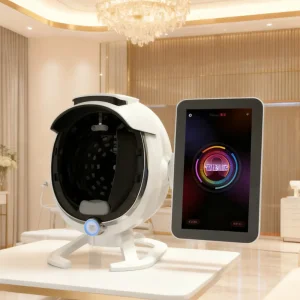
Modern laser cap hardware is increasingly paired with high-resolution diagnostic hair analyzer scopes. Machine learning algorithms measure follicular density per square centimeter, sebum balance, and hair shaft diameter, automatically tailoring laser session durations based on personalized real-time scalp diagnostic data.
Global B2B Procurement Evaluation Guide
Critical Verification Protocols for Purchasing & Supply Chain Directors
Factory Audit & Compliance Standard Checks
- Verify ISO 13485 (Medical Devices Quality Management Systems) certification.
- Confirm authentic CE certification reports issued by Notified Bodies (NB).
- Request third-party test reports for IEC 60601-1-2 (EMC Safety).
- Inspect UN38.3, MSDS, and Air/Sea transport safety certificates for battery packs.
Hardware & Optical Performance Inspections
- Audit wavelength spectrum using an integrating sphere spectrometer (650nm ±5nm).
- Test total output power per diode using certified optical power meters.
- Check automatic safety shut-off sensors (proximity sensors preventing eye exposure).
- Evaluate thermal dissipation to ensure cap inner temperature remains below 38°C.
Frequently Asked Questions (FAQ)
Technical, Regulatory, and Manufacturing Directives for B2B Importers
What is the key difference between 650nm Laser caps and LED hair caps?
650nm laser diodes produce coherent, monochromatic light that penetrates deeply (3-5mm) into the scalp tissue to reach hair follicle stem cells. LED devices produce scattered, non-coherent light that loses most energy at the skin surface, offering significantly lower clinical efficacy for androgenetic alopecia treatment.
What CE certification documents are required for importing laser caps into Europe?
For European distribution, suppliers must provide CE compliance under the Low Voltage Directive (LVD 2014/35/EU), Electromagnetic Compatibility Directive (EMC 2014/30/EU), and IEC 60825-1 Laser Class 3R safety reports. If marketed explicitly as a medical hair restoration device, compliance under CE MDR (EU 2017/745) is necessary.
What OEM and customization options can Chinese factories provide?
Factories can customize diode counts (e.g., 80, 108, 272, 312 diodes), cap shell design (baseballs caps, bucket hats, flexible silicone inserts), silicone liner color, custom logo printing, custom packaging boxes, companion mobile application branding, and custom voice prompt languages.
What is the typical Minimum Order Quantity (MOQ) for factory-direct orders?
Standard neutral white-label products usually have an MOQ of 10-50 units. Customized logo printing and customized outer hat colors generally require an MOQ of 200-500 units. Full ODM developments (custom molds and custom App UI) typically start at 1,000 units.
How do factories ensure battery safety for portable laser hair caps?
Medical cap batteries feature built-in Protection Circuit Modules (PCM) preventing overcharging, over-discharging, and short circuits. Reliable suppliers provide UN38.3, MSDS, and 1.2m drop test documentation for global air and sea freight compliance.
What is the recommended treatment protocol for LLLT laser caps?
Clinical protocols generally recommend 20 to 30-minute automated sessions every other day (3 to 4 times per week). Visible improvement in hair thickness and density reduction in hair shed typically manifests between 12 to 24 weeks of continuous use.
Complete Aesthetic & Hair Care Equipment Catalog
Explore Extended OEM/ODM Production Lines Available Direct From Certified Facilities