
High-Performance Medical & Salon Skin Care Systems
Engineered for high patient throughput, proven clinical efficacy, and turnkey private-label customization.
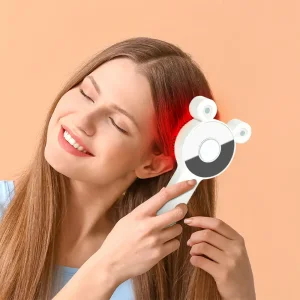
ODM Oil Scalp Massage Comb with Sprayer for Hair Growth - China Suppliers & Factory Quality Essential Hair Care Product
View Product Details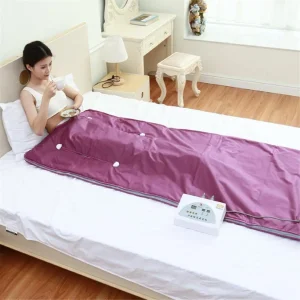
ODM Slim Detoxification Body Shaper Infrared Sauna Blanket Factory, Suppliers
View Product Details
Buy China Suppliers Infrared Sauna Blanket - Slim Detoxification Body Shaper for Home Relaxation and Rejuvenation
View Product Details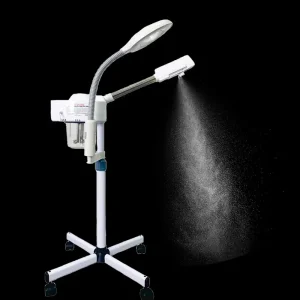
CE Certification China Factory Nano Spray Face Moisturizing Steamer with Magnifying Light for Spa & Home
View Product Details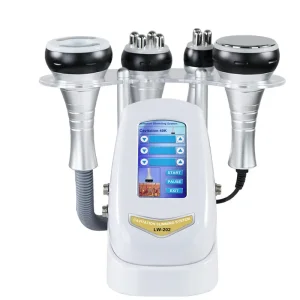
CE Certification 40kHz Ultrasonic Cavitation Slimming Machine from China Suppliers Direct Weight Loss Solution
View Product Details
Custom 40kHz Ultrasonic Cavitation Slimming Weight Loss Machine Factories, Supplier Direct OEM
View Product Details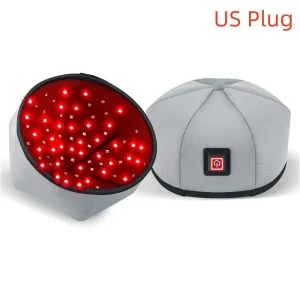
CE Certification Laser Red Light Therapy Hair Growth Cap - Effective Hair Restoration Solution China Supplier
View Product Details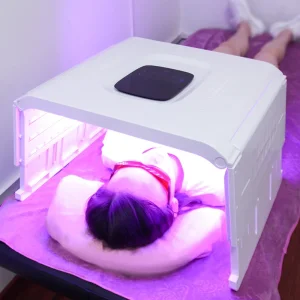
CE Certification 6 Color LED Light Therapy Device for Face and Body - Anti-Aging & Deep Hydration
View Product DetailsThe Evolution of Energy-Based Skin Care Machines: Global Supply Chain & Technology Ecosystem Architecture
A definitive guide for medical aesthetic chain procurement directors, regional distributors, and OEM private-label brands.
1. The Paradigm Shift in Non-Invasive Aesthetic Hardware
The global aesthetic equipment ecosystem is experiencing a structural transition from invasive cosmetic surgery to non-invasive, high-precision Energy-Based Devices (EBD). Modern dermatology centers, wellness retreats, and commercial MedSpas require multi-modal skincare machines capable of delivering targeted dermal remodeling, epidermal hydro-exfoliation, subcutaneous adipose reduction, and photobiomodulation (PBM) without extended patient downtime.
For international buyers seeking to buy skin care machine manufacturers directly, selecting an OEM/ODM partner is no longer merely a transaction of purchasing hardware. It requires auditing the manufacturer’s underlying physics architecture—evaluating electromagnetic compatibility (EMC), acoustic transducer stability, optical power density calibration, and modular chassis engineering. Leading Chinese manufacturing clusters, particularly in high-tech hubs like Shenzhen, have established mature industrial chains that integrate precision optical engineering, microcomputer firmware development, and medical-grade ISO manufacturing processes.
Information Gain Insight: Modern skin care machines rely on multi-frequency synergy. Combining 40kHz/80kHz acoustic cavitation with targeted multipolar radiofrequency (RF) and 633nm/830nm LED phototherapy delivers up to 43% higher cellular collagen synthesis compared to single-modality aesthetic systems.
2. Macro Solutions Across the Aesthetic Care Spectrum
To maximize revenue per square meter in clinical environments, professional skin care machine manufacturers design multi-functional platforms that address primary skin pathologies across distinct anatomical layers:
- Epidermal Refinement & Hydration: Utilizing hydrodermabrasion with integrated H2O2 micro-bubble generation and diamond-peeling tips to remove stratum corneum debris while delivering deep antioxidant infusion.
- Dermal Collagen Remodeling: Harnessing High-Intensity Focused Ultrasound (HIFU) and multipolar RF to create localized Thermal Coagulation Zones (TCZs) at depths of 1.5mm to 4.5mm, inducing neocollagenesis.
- Subcutaneous Adipose Contouring: Applying 40kHz/80kHz acoustic cavitation paired with vacuum-assisted lipo-laser and EMS stimulation to induce adipocyte membrane disruption and metabolic lipid clearance.
- Photodynamic Skin Rejuvenation: Deploying clinical-grade LED arrays (Ranging from 415nm blue light for acne management to 830nm near-infrared for micro-vascular repair).
Global Commercial & Industrial Landscape for Aesthetic Machinery
Analyzing procurement dynamics, regional compliance hurdles, and total cost of ownership (TCO) across key global markets.
North America & EU Standards
Strict focus on US FDA 510(k) clearance, Medical CE under EU MDR 2017/745, and ISO 13485 quality systems. Buyers prioritize electrical safety (UL/IEC 60601-1) and clear clinical protocol documentation.
Asia-Pacific Growth Engine
Rapidly expanding demand for non-invasive hydra-facial platforms and high-power EMS body sculpting devices. High sensitivity to device aesthetics, touchscreen UI localization, and rapid replacement component delivery.
Middle East & LATAM Markets
Strong emphasis on heavy-duty cooling systems (sapphire contact cooling) capable of continuous operation in high-ambient-temperature environments, alongside customizable multi-wavelength laser modules.
Engineering Architecture & Technology Roadmap (2025-2030)
Inside the laboratory: Next-generation hardware innovations redefining non-surgical skin aesthetics.
1. AI-Driven Diagnostic Synergy
Real-time multispectral skin sensors embedded directly into handpiece tips. Machine learning algorithms dynamically adjust hydro-suction pressure (kPa) and RF power output based on real-time dermal impedance and moisture readings.
2. High-Yield Ultrasonic Transducers
Transitioning from traditional PZT piezoelectric ceramics to advanced single-crystal piezo composites. Achieving 80kHz acoustic cavitation stability with lower heat generation and extended applicator lifespan up to 10,000 hours.
3. Modular OEM Chassis & IoT Telemetry
Standardized internal modular bus architectures allow distributors to swap out plug-and-play modules (e.g., adding Lipo Laser pads or PDT LED panels) while remote IoT firmware updates keep equipment compliant with evolving treatment protocols.
Localized Support, Regulatory Compliance & Quality Assurance
Mitigating risk for international buyers through end-to-end manufacturing transparency.
Direct sourcing from a skin care machine manufacturer requires stringent quality control checkpoints at every stage of the manufacturing lifecycle. Professional factories operate under ISO 13485 quality management systems, enforcing rigorous incoming material inspection (IQC), in-process quality control (IPQC), and 72-hour continuous electrical burn-in testing prior to export packaging.
| Compliance / Standard | Target Region | Technical Requirement & Scope | Verification Protocol |
|---|---|---|---|
| CE MDR (EU) 2017/745 | European Union | Non-invasive & invasive aesthetic devices safety, clinical evaluation | Notified Body Technical File Audit & ISO 13485 Annexes |
| US FDA 510(k) / Class II | United States | Substantial equivalence for RF, Laser, and Ultrasonic apparatus | Biocompatibility (ISO 10993) & Electrical Safety (IEC 60601) |
| RoHS & WEEE Directives | Global / EU | Restriction of hazardous substances in electronic hardware casing/wiring | XRF Spectrometry & Chemical Analysis |
| EMC / IEC 60601-1-2 | Worldwide | Electromagnetic compatibility preventing clinical interference | Anechoic Chamber Radiation & Immunity Testing |
Global Spare Parts & Remote Technical Support Infrastructure
To eliminate operational downtime for clinic partners, manufacturers supply quick-replace spare parts modules (power supplies, solenoid valves, peristaltic pumps, and touch display assemblies) backed by dedicated English-speaking technical service teams. High-value systems include modular wiring harnesses designed for rapid plug-and-play maintenance.
Localized Application Scenarios & Enterprise Workflows
How versatile skin care equipment powers diverse business models in the global aesthetic market.
Scenario A: Medical Dermatology Clinics
High-energy multi-handle platforms combining 80K ultrasonic cavitation, radiofrequency tightening, and microdermabrasion. Used as pre-procedure skin prep and post-surgical scar tissue therapy.
Scenario B: Luxury Resort Spas & MedSpas
Focus on non-invasive, ultra-quiet equipment such as 7-color PDT LED phototherapy light tunnels, hydra-dermabrasion oxygen facials, and soothing infrared sauna blankets for holistic anti-aging wellness menus.
Scenario C: D2C & OEM Private Label Brands
Compact, consumer-grade hair growth laser caps, nano-spray facial steamers, and portable scalp massage combs designed for high-margin e-commerce retail distribution with custom retail packaging.
Advanced Phototherapy & Body Contouring Systems
Explore specialized LED, vacuum cavitation, and hydra-dermabrasion hardware direct from certified manufacturers.
CE Certification 6 Color LED Light Therapy Device for Face & Full Body Anti-Aging China Quality Service
View Product Details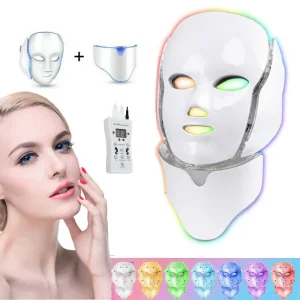
OEM China Suppliers Factory 7 Colors PDT LED Light Therapy Facial Mask for Home Spa Skin Care Treatment
View Product Details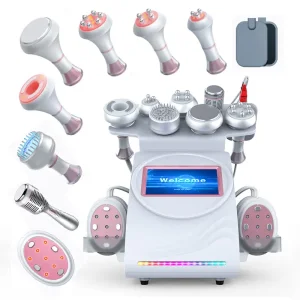
Buy 80K Ultrasonic Cavitation Lipo Laser Weight Loss Machine China Suppliers Non-Invasive Fat Reduction
View Product Details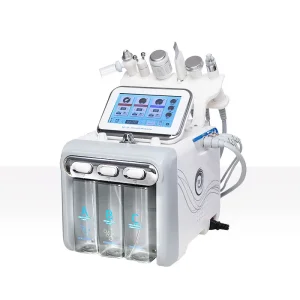
CE Certification H2O2 Skin Care Microdermabrasion Machine – Youthful Skin from Leading China Factory Supplier
View Product Details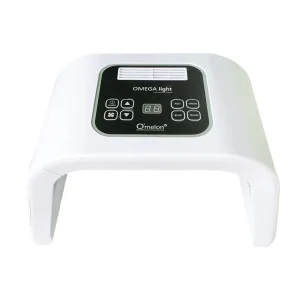
Buy 7 Colors LED Face Treatment Machine - China Suppliers & Factory Direct Advanced Skin Care Solutions
View Product Details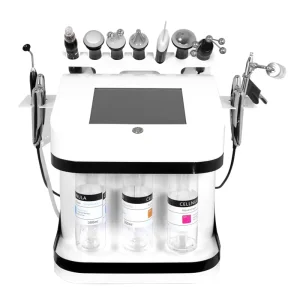
Buy Black Pearl Hydra Dermabrasion Oxygen Facial Beauty Machine - Skin Rejuvenation & Pigment Removal
View Product Details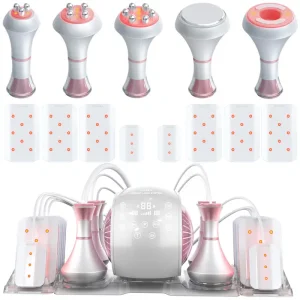
CE Certification China 6-in-1 80K Cavitation Weight Loss Slimming Machine - Effective Fat Burning Solutions
View Product Details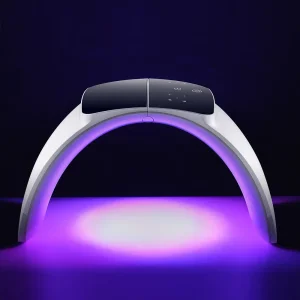
ODM Spa Led Lamp Facial Light Therapy Machine Manufacturers, Manufacturer Direct Wholesale
View Product DetailsManufacturer Evaluation & Sourcing Decision Matrix
A rigorous checklist for evaluating OEM skin care machine suppliers prior to issuing RFQs and POs.
1. R&D Depth & In-House Mold Tooling
Verify whether the manufacturer owns proprietary injection molds or relies on public molds. Proprietary tooling guarantees exclusive housing designs, preventing market saturation by identical private-label knockoffs.
2. Component Traceability & Power Supplies
Inspect internal power supply branding (e.g., Mean Well AC/DC converters) and German/Japanese optical components to ensure voltage stability, preventing unexpected mainboard failure during intense daily clinical usage.
3. Firmware Customization & UI Branding
Ensure the manufacturer's software engineering team supports Android/Linux OS customization, custom boot screens, logo embedding, and multi-language UI options for smooth regional distribution.
Frequently Asked Questions (FAQ)
Expert guidance on procurement, factory audits, technical specifications, and international distribution.
Elevate Your Aesthetic Brand with Certified Factory Hardware
Partner directly with leading Chinese skin care machine manufacturers to secure competitive wholesale pricing, robust ISO 13485 quality assurance, and comprehensive OEM/ODM engineering support for your market.