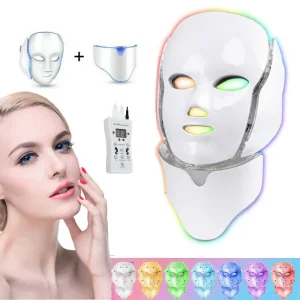
Featured Aesthetic & Light Therapy Hardware
Explore our core enterprise spectrum devices engineered for high optical irradiance and targeted therapeutic compliance.
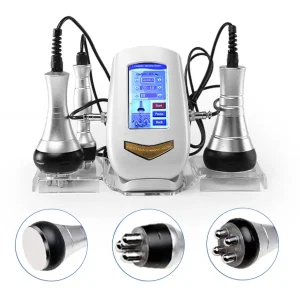
Buy Belly Fat Burner Body weight lose machine Supplier, Manufacturer
View Specifications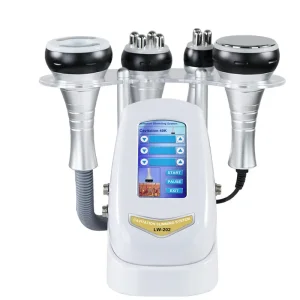
CE Certification 40kHz Ultrasonic Cavitation Slimming Machine from China Suppliers & Factory for Weight Loss and Skin Tightening Service, Manufacturers
View Specifications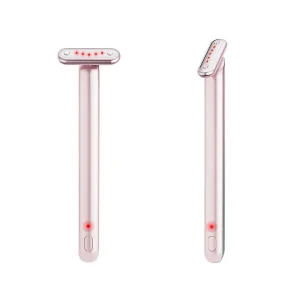
Buy face neck lighten lift led light facial wand with ems Service, Manufacturers
View Specifications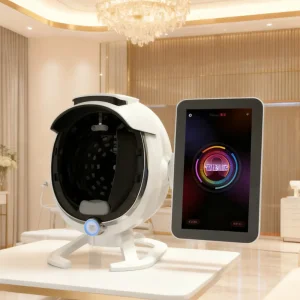
Custom AI Face Skin Quality and Moisture Analysis Device with Scalp Analyzer - Top China Suppliers and Factory Exporter, Manufacturers
View Specifications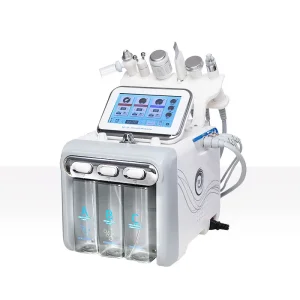
Buy H2O2 Skin Care Microdermabrasion Machine - Youthful Complexion from China Suppliers & Factory Factories, Manufacturer
View Specifications
Buy China 3-in-1 Ultrasonic Cavitation Machine - Suppliers & Factory for Body Weight Loss and Skin Tightening Factories, Suppliers
View Specifications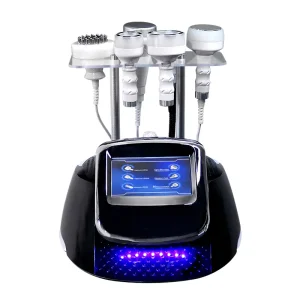
Buy China 5D 80K RF Cavitation Slimming Equipment - Versatile Factory Suppliers for Non-Invasive Body Contouring Factory, Manufacturers
View Specifications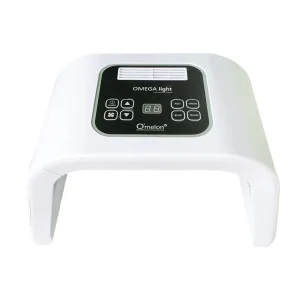
Buy 7 Colors Photon Led Light Face Treatment Machine Factories, Manufacturers
View SpecificationsGlobal Macro Industry Solutions & Commercial Footprint
Analyzing the shift from low-output consumer gadgets to high-irradiance, medical-grade photobiomodulation platforms across international B2B sectors.
Clinical Dermatology & Aesthetics
Modern clinical dermatology chains integrate high-powered Red/NIR arrays to accelerate post-fractional laser recovery, boost type I/III collagen synthesis, and decrease erythema down-time by up to 45%. Procurement standards now mandate spectral purity within ±3nm tolerance.
Sports Medicine & Elite Performance
Professional athletic organizations and orthopedic physical therapy centers utilize full-body light beds and targeted high-fluence pads to enhance ATP production within muscle mitochondria, mitigating delayed onset muscle soreness (DOMS) and accelerating soft-tissue micro-repair.
Longevity & Biohacking Hubs
Medical spas and wellness retreats are replacing traditional saunas with systemic, zero-EMF photobiomodulation pods featuring customizable multi-wave pulsing (10Hz to 10,000Hz) to target systemic inflammation, neuro-regeneration, and cellular senescence markers.
Photobiomodulation (PBM) Physics & Technical Architecture
Understanding the biophysical mechanisms, biphasic dose-response curves, and optical power specs required for true therapeutic efficacy.
Cytochrome C Oxidase Absorption
Red Light Therapy operates via photo-acceptors inside cell mitochondria, primarily Cytochrome c Oxidase (CCO). Photons within the optical window (620nm–860nm) dissociate inhibitory Nitric Oxide (NO) from CCO, restoring oxygen consumption, elevating mitochondrial membrane potential, and surging Adenosine Triphosphate (ATP) production. Sourcing managers must demand optical spectroradiometer tests verifying tight FWHM (Full Width at Half Maximum) wavelength purity.
Biphasic Dose-Response Optimization
Optical dosing follows a strict biphasic response: insufficient photon energy ($< 5 J/cm^2$) yields zero bio-stimulation, whereas excessive radiant energy density ($> 100 J/cm^2$) causes localized thermal inhibition. Engineering superior PBM hardware requires precise current-driver regulation to ensure uniform irradiance ($mW/cm^2$) without photothermal tissue damage.
| Wavelength Sector | Target Depth & tissue | Primary Clinical Indications | Technical Hardware Requirement |
|---|---|---|---|
| 630nm – 660nm (Visible Red) | Epidermis & Upper Dermis (1–3 mm) | Collagen proliferation, superficial wound healing, acne scar reduction, fine line attenuation. | High-density surface SMD LED arrays, 30° micro-lenses for beam concentration. |
| 810nm – 850nm (Near-Infrared / NIR) | Deep Dermis, Muscle & Joint (5–10 mm) | Deep tissue repair, joint inflammation relief, bone density support, muscle fatigue recovery. | High-power dual-chip LED die, active heatsink aluminum PCBs, zero-distortion optical glass. |
| Pulsed Wave (10Hz – 10kHz) | Systemic & Cellular Signaling | Enhanced cellular resonant frequency absorption, reduced tissue adaptation to continuous light. | Integrated Microcontroller Unit (MCU) with Digital Pulse-Width Modulation (PWM) drivers. |
Global B2B Supply Chain, OEM/ODM Customization & Regulatory Compliance
How top-tier suppliers ensure medical compliance, strict quality assurance, and modular custom manufacturing for global brand buyers.
Medical Certifications & Safety
Navigating global market access requires turnkey compliance support. Premier manufacturing facilities maintain ISO 13485 certified Quality Management Systems, providing documentation for FDA 510(k) Class II medical clearance, CE MDR (EU 2017/745), RoHS environmental compliance, and IEC 62471 Photobiological Safety Certification.
Hardware & Firmware Engineering
From industrial modular design to custom PCB layout, OEM services provide full white-label integration. This includes customizable LED spectrum ratios, multi-channel touch interfaces, smart Bluetooth/Wi-Fi app connectivity, custom shell tooling, and proprietary optical lens angle engineering (30°, 60°, 90°).
Thermal Management & Longevity
LED degradation is directly driven by junction temperature. Industrial-grade suppliers implement high-conductivity aluminum core PCBs, ultra-quiet maglev cooling fans, and automated thermal throttling sensors, ensuring a minimum 50,000-hour operational lifespan with less than 3% optical decay over time.
Localized Commercial Applications & Industry Deployments
Tailoring PBM hardware configurations to specific commercial environments, treatment protocols, and regional business models.
1. High-Traffic Aesthetic Salons & Medical Spas
For commercial spas, hands-free operation and rapid patient turnover are paramount. Full-body flexible light wraps and overhead PDT panel bridges allow estheticians to perform unattended phototherapy sessions while maximizing room profitability. Integrated smart timers and client profiling software simplify treatment tracking.
2. Physical Therapy & Orthopedic Rehabilitation Clinics
Clinical settings demand ruggedized, easy-to-sanitize equipment. Heavy-duty mobile stands with gas-spring articulated arms allow physical therapists to position high-power target panels precisely over knee, shoulder, or spinal treatment areas. High NIR ratio (80% NIR / 20% Red) configurations dominate this sector.
3. Direct-to-Consumer (DTC) Brands & Retail Chains
E-commerce and retail wellness brands prioritize compact, aesthetically pleasing form factors such as flexible silicone facial masks, targeted joint belts, and handheld wands. Supply partners support custom retail packaging, localized user manuals, and regional power plug certifications (UL, CE, PSE, UKCA).
4. Corporate Wellness Programs & Luxury Residential Installations
Luxury residential projects and corporate wellness lounges increasingly incorporate built-in, low-EMF photobiomodulation panels into private saunas and recovery rooms. These systems feature architectural-grade brushed aluminum frames and integrated home-automation interface protocols (RS485/Modbus).
Technology Roadmap & Future Outlook (2025–2030)
Anticipating the next evolution of intelligent phototherapy: AI biofeedback, VCSEL laser arrays, and quantum dot optical emitters.
AI-Driven Biofeedback
Integration of skin moisture sensors and real-time optical reflectance feedback to auto-adjust fluence and pulsed frequency based on tissue impedance.
VCSEL Laser Transition
Transitioning from traditional surface-mount LEDs to Vertical-Cavity Surface-Emitting Lasers (VCSEL), delivering narrower spectral bandwidths and deeper tissue coherence.
Wearable Micro-LED Textiles
Development of ultra-flexible, washable photonic fabrics embedded with micro-LED dies for uninterrupted, continuous low-level therapy during daily activities.
Quantum Dot Photonic Tuning
Implementation of quantum dot optical film coatings allowing continuous spectral shifting across the entire 600nm to 1000nm therapeutic window without energy loss.
Frequently Asked Questions for B2B Importers & Enterprise Buyers
Expert insights addressing key procurement, technical verification, and regulatory considerations for enterprise orders.
How do you accurately measure true optical irradiance versus electrical power consumption?
Electrical wattage (e.g., 300W or 1000W) only indicates the power drawn from the wall outlet, not the light delivered to tissue. True efficacy is measured via optical irradiance in milliwatts per square centimeter ($mW/cm^2$) using calibrated spectroradiometers (such as the Labsphere or Hopoo Light equipment) at specific distances (e.g., 6 inches). Reliable suppliers provide third-party laboratory optical power density reports.
What is the typical lead time and Minimum Order Quantity (MOQ) for custom OEM orders?
Standard white-label products (logo application and customized packaging) typically carry an MOQ of 50–100 units with a lead time of 15 to 20 working days. Deep ODM projects involving custom housing molds, unique PCB redesigns, or specialized firmware programming generally require 45–60 days for sample validation, followed by mass production.
How does your factory ensure Zero-EMF standards in high-power LED arrays?
Electromagnetic Field (EMF) emissions can interfere with sensitive clinical environments and biohacking standards. Our engineering team utilizes grounded aluminum internal casing, shielded constant-current power drivers, and isolated wiring harnesses to guarantee zero detectable EMF ($0.00 \mu T$) at standard treatment distances ($> 3$ inches).
Which certifications are provided for customs clearance in North America and the EU?
All exported devices are backed by comprehensive compliance packages including CE (EMC/LVD), RoHS, FCC, and FDA device registration numbers. For medical-grade distributions, complete technical files (TCF) adhering to Medical Device Regulation (MDR EU 2017/745) and ISO 13485 audit reports are made available to enterprise partners.
What is your warranty policy and spare parts replacement framework?
We provide a 2-year modular warranty on commercial panels and full-body systems. In the rare event of a component failure, our modular design allows quick-swappable driver units or LED boards to be dispatched immediately, minimizing downtime for clinical operations. Lifetime technical assistance and software update support are included.
Comprehensive Body Contouring & Light Therapy Systems
Explore our extended catalog of high-performance beauty equipment, body shaping technologies, and multi-functional spa platforms.
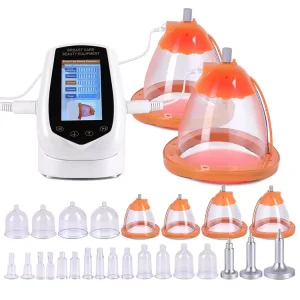
Custom China Suppliers Factory Breast Vacuum Therapy for Butt Lifting and Enlargement - Non-Surgical Enhancement Device Exporters, Manufacturer
View Specifications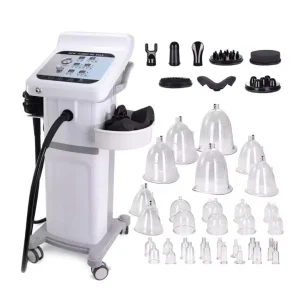
Buy China Suppliers G8 Vibrating Body Massager Slimming Machine - Enhance Your Body Shape at Our Factory Factories, Suppliers
View Specifications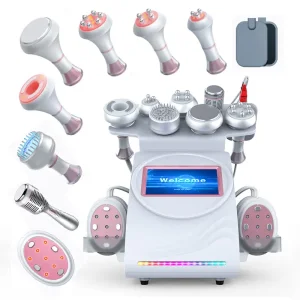
CE Certification 80K Ultrasonic Cavitation Lipo Laser Weight Loss Machine - China Factory Suppliers for Non-Invasive Fat Reduction Exporter, Manufacturer
View Specifications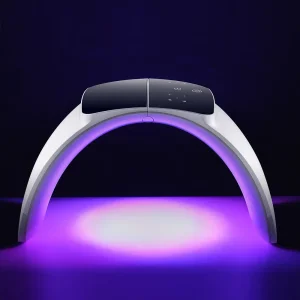
Buy China LED Facial Light Therapy Machine - 7 Color Spa Lamp from Reliable Suppliers & Factory for Skin Care Manufacturers, Manufacturer
View Specifications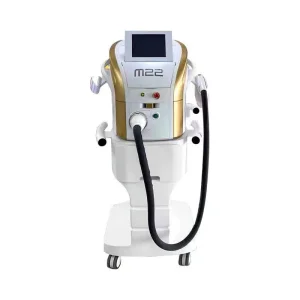
CE Certification China Suppliers Factory IPL Laser Diode Hair Removal & Skin Rejuvenation Machine for Safe & Effective Results Service, Suppliers
View Specifications
Custom 80K Ultrasonic Cavitation Lipo Laser Weight Loss Machine - China Suppliers & Factory for Effective Fat Reduction Service, Manufacturer
View Specifications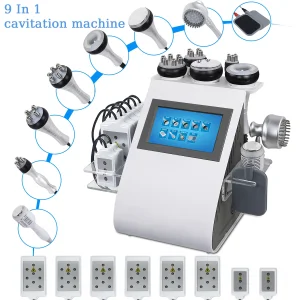
CE Certification China Factory Suppliers 40k Cavitation Machine - 9-in-1 EMS RF Vacuum for Body Sculpting & Skin Tightening Exporters, Manufacturer
View Specifications