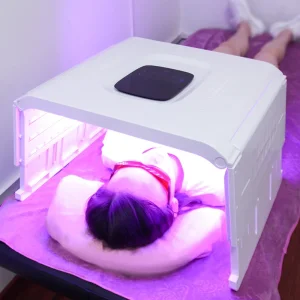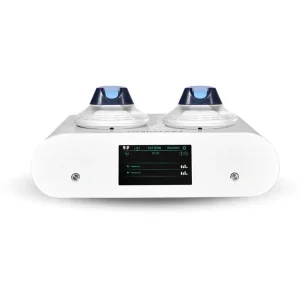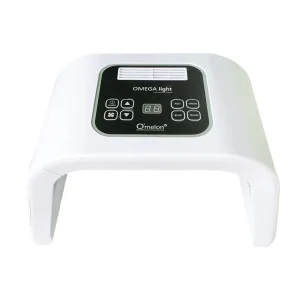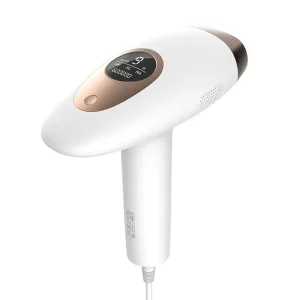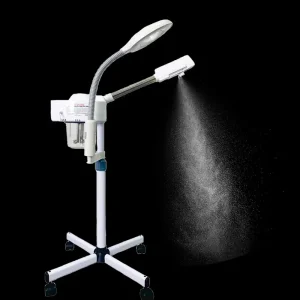
Featured Aesthetic & Laser Equipment Portfolio
Direct-from-factory solutions engineered for global clinics, medical spas, and aesthetic equipment distributors.
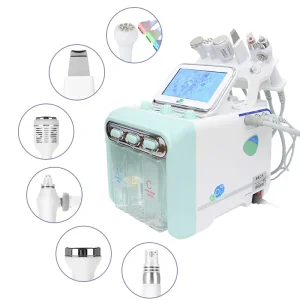
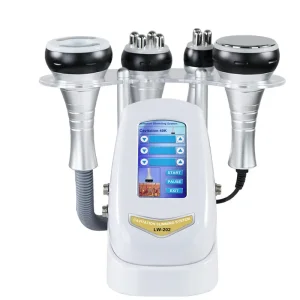
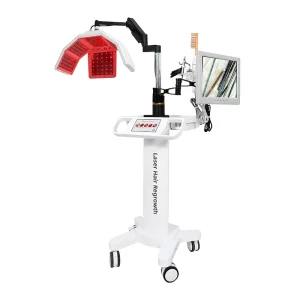
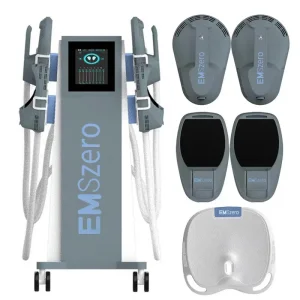
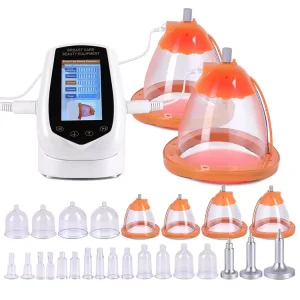
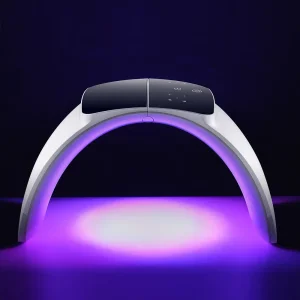
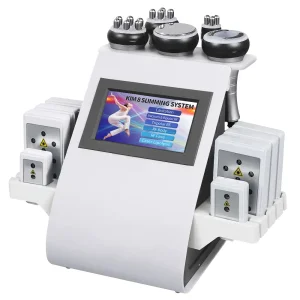
Global Commercial Landscape of Diode Ice Laser Technology
Analyzing market shifts, ROI vectors, and technology migration in professional hair removal systems.
The global aesthetic laser market has undergone a fundamental architectural transformation over the past five years. Traditional Intense Pulsed Light (IPL) and single-wavelength Nd:YAG systems are rapidly giving way to Semiconductor Diode Ice Laser Platforms. Driven by increasing patient demand for pain-free, zero-downtime procedures, medical spas, dermatology clinics, and commercial beauty chains are restructuring their capital expenditure strategies to prioritize multi-wavelength ice-cooling diode tech.
$3.8 Billion Market by 2030
Global valuation for diode laser hair removal systems is projected to expand at a CAGR of 8.4%, with non-invasive ice-cooling handles taking over 62% of new clinic installations.
Triple Wavelength Standard
The convergence of 755nm (Alexandrite), 808nm (Classic Diode), and 1064nm (Nd:YAG) into a single diode stack has redefined efficacy across all Fitzpatrick skin types (I-VI).
TEC Active Ice Cooling
Thermoelectric Cooling (TEC) sapphire contact tips maintain skin surface temperatures between -5°C to -15°C, effectively eliminating epidermal thermal burn risks.
When procurement officers evaluate options to Buy Diode Ice Lasers Service & Suppliers, the decision framework goes far beyond the initial hardware price tag. Commercial buyers must analyze duty cycles, shot longevity of laser bars, thermal dissipation coefficients, and supply chain continuity for replaceable handpieces. High-throughput medical spas operating 10 to 14 hours daily require equipment capable of continuous firing without energy decay or cooling failure.
Engineering Deep-Dive: Physics of Selective Photothermolysis & Ice Cooling
Understanding the optical dynamics, laser bar structures, and epidermal protection mechanisms.
The core efficacy of modern diode laser hair removal relies on selective photothermolysis. Laser energy is tuned to target hair follicle melanin without causing thermal damage to surrounding tissue structures. However, achieving high fluence (energy density up to 120 J/cm²) without client discomfort requires advanced engineering integration.
| Wavelength Vector | Optical Target Depth | Absorption Peak | Optimal Patient Demographics | Clinical Advantage |
|---|---|---|---|---|
| 755nm Alexandrite | Superficial Dermis (1.5 - 2.0 mm) | Highest Melanin Absorption | Fitzpatrick Types I-III, Fine/Light Hair | Excellent for residual thin hairs and eyebrows |
| 808nm Classic Diode | Mid-Dermis (2.0 - 3.0 mm) | Balanced Absorption & Depth | Fitzpatrick Types I-V, Standard Hair | The gold standard for high-speed, general removal |
| 1064nm Nd:YAG | Deep Dermis (3.0 - 5.0 mm) | Lower Melanin, High Water/Oxy-Hb | Fitzpatrick Types IV-VI, Dark Skin | Safe for dark skin; targets deeply rooted hair follicles |
| Tri-Wavelength (Blend) | Multi-Layer Simultaneous | Simultaneous Matrix Absorption | Universal (Fitzpatrick I-VI) | Maximal follicle destruction in single pass |
Micro-Channel vs. Non-Channel Laser Diode Bars
A critical engineering differentiator when choosing a manufacturing supplier is the internal architecture of the laser bar stack:
- Micro-Channel Stacks: Utilize micro-fluidic copper heat sinks directly integrated into the laser bar diode layers. This setup offers superior heat extraction, enabling high-power output (1200W–2400W) and extended bar lifespan (up to 50 million shots). However, it requires deionized water circulation and strict filtration maintenance.
- Macro-Channel / Non-Channel Stacks: Feature broader cooling channels. While less sensitive to water purity, they exhibit higher thermal resistance, making robust TEC sapphire tip cooling even more essential to prevent handpiece overheating during prolonged operation.
China Manufacturing Ecosystem & OEM/ODM Supply Advantages
Why leading global aesthetic brands and clinic chains partner with OEM factories in Guangdong & Shandong industrial clusters.
Supply Chain Integration & BOM Efficiency
China's medical beauty hardware manufacturing hubs (specifically Shenzhen and Weifang) provide unmatched Bill-of-Materials (BOM) efficiency. By combining imported premium components—such as German Jenoptik diode bars, Japanese TEC cooling modules, and Italian water pumps—with domestically engineered chassis and intelligent Android UI boards, factories deliver medical-grade reliability at a fraction of Western production costs.
This cost efficiency directly translates to improved profit margins for distributors and faster ROI for aesthetic clinics purchasing directly from suppliers.
Customization & Modular R&D Capabilities
Top-tier OEM suppliers offer extensive custom engineering options. Importers can request specific spot sizes (e.g., 12x12mm, 15x26mm, 15x35mm, or interchangeable magnetic tips), custom shell colors, private-labeled software interfaces with multi-language support, integrated client management databases, and custom power outputs ranging from 800W to 3000W.
Localized Application Scenarios & Global Deployment
Adapting equipment configurations to specific regional market demands and clinical operational setups.
High-Volume Medical Spas
Config Demand: Heavy-duty vertical chassis, 2000W+ high-power generator, dual handpiece slots, micro-channel cooling, continuous 24-hour operation rating. Allows seamless switching between facial spot sizes and body applicators without interrupting treatment schedules.
Boutique & Mobile Clinics
Config Demand: Portable desktop designs, 800W–1200W output power, lightweight handpiece cable, integrated transit flight cases. Designed for operators requiring easy transport between satellite locations or limited treatment room footprints.
Multi-Ethnic Dermatology Practices
Config Demand: Quad-wavelength array (755nm / 808nm / 940nm / 1064nm), high-resolution skin analyzers, customizable pulse duration parameters. Enables safe, targeted treatments for dark skin tones and vascular co-treatments.
B2B Procurement Protocols & Future Industry Trends
A structured checklist for evaluating suppliers, verifying compliance, and staying ahead of technological shifts.
Technical Audit Checklist for Global Importers
When shortlisting suppliers to buy Diode Ice Laser equipment, procurement teams should complete a thorough technical audit across five key operational vectors:
- Laser Bar Provenance: Demand component verification certificates confirming diode bar origins (e.g., Coherent US, Jenoptik Germany) to ensure accurate power ratings and long-term shot performance.
- Cooling Cycle Integrity: Verify that internal cooling loops utilize dual TEC modules combined with high-grade stainless steel or copper radiators and high-flow DC water pumps (minimum 5L/min flow rate).
- Electrical Safety & Compliance: Ensure hardware complies with CE (Medical MDD/MDR standards), FDA 510(k) clearances, ISO 13485 quality management systems, and ROHS material compliance.
- Software Telemetry & Smart UI: Modern units should feature Android-based operating systems capable of remote firmware updates (OTA), client data tracking, shot count tracking per operator, and automated error diagnostics.
- Spare Parts & After-Sales Logistics: Confirm supplier commitments regarding spare handpiece availability, module-level replacement assemblies, fast technical response windows (under 24 hours), and comprehensive training materials.
Emerging Technologies Shaping the Future
The industry is moving toward AI-Assisted Skin Sensing Handpieces that evaluate real-time epidermal melanin levels prior to firing. This smart adjustment optimizes fluence and pulse width dynamically, reducing operator error and maximizing treatment safety. Additionally, eco-friendly energy-efficient power supplies and modular plug-and-play handpieces are becoming standard baseline requirements for global procurement buyers.
Technical & Commercial FAQ (Q&A)
Expert answers to key questions asked by aesthetic device importers, spa owners, and distributors.
Complete Medical & Aesthetic System Portfolio
Explore our full range of certified clinical systems for facial rejuvenation, body shaping, and hair management.