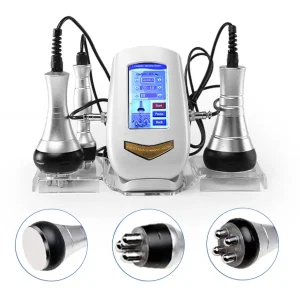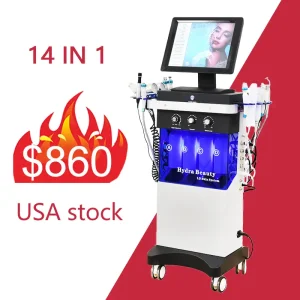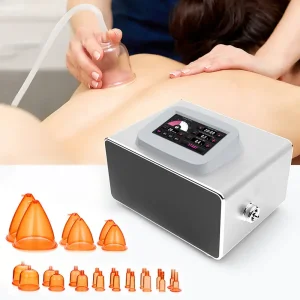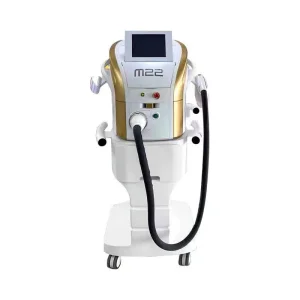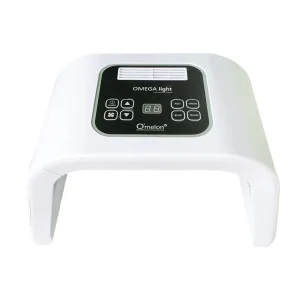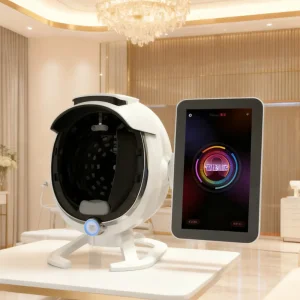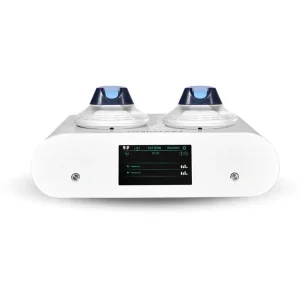
Select factory-direct professional clinical equipment engineered with medical-grade components and full international regulatory compliance.
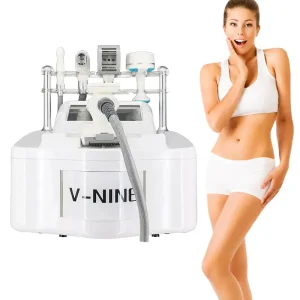

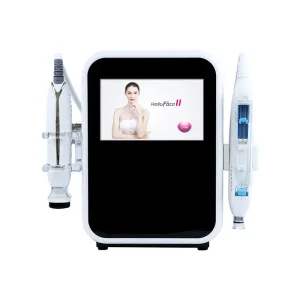
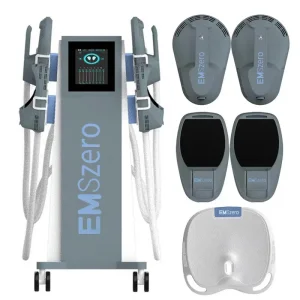
Global Dermabrasion Industry Overview & Commercial Landscape
The global medical and aesthetic dermabrasion equipment market is undergoing a structural technological evolution. Valued at approximately USD 1.2 billion in 2023, the non-invasive skin resurfacing market is projected to expand at a compound annual growth rate (CAGR) of 11.4% through 2030. This growth is primarily fueled by shifting consumer preferences away from invasive laser ablations toward zero-downtime hydro-mechanical and diamond-abrasion therapies.
Modern commercial purchasers—ranging from dermatological medical spas and plastic surgery clinics to global equipment distributors—are shifting away from single-function tabletop units toward high-throughput, multi-technology clinical platforms. The convergence of micro-vacuum fluidics, radiofrequency (RF) dermal remodeling, ultrasonic cavitation, and micro-current electroporation into a single chassis has permanently altered B2B procurement economics.
Information Gain Insight: Sourcing directly from original equipment manufacturers (OEM) in major manufacturing clusters such as Shenzhen, Guangdong provides B2B buyers with up to 60% lower capital expenditure per unit, alongside modular hardware customizability that established Western brands typically prohibit.
Dermabrasion Machine Technical Architecture & Modalities
Understanding the engineering principles behind professional dermabrasion devices is vital for commercial buyers evaluating factory specifications. Professional machines operate across three core physical modalities:
Utilizes laser-cut synthetic diamond grit heads (ranging from 70 coarse to 240 fine grit) paired with continuous negative-pressure vacuum suction (-60 to -80 kPa). Mechanically strips the stratum corneum without chemical irritation, providing controlled mechanical exfoliation for thick, hyperkeratinized skin.
Combines spiral vortex fluidic tips with dual-pump hydro-pneumatics. The machine jets specialized nutrient serums (AHA/BHA, hyaluronic acid) while simultaneously applying localized vacuum suction to flush out clogged pores and extract debris without tissue trauma.
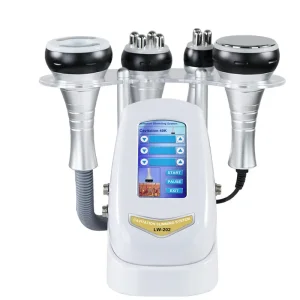
Next-generation 14-in-1 factory configurations integrate 2MHz to 5MHz bipolar/multipolar radiofrequency handpieces and needle-free electroporation mesotherapy guns to instantly tighten collagen structures and drive active peptides into the deep dermal matrix post-abrasion.
Fluidic & Mechanical Component Engineering Standards
When auditing potential manufacturing plants, procurement teams must verify the internal component specifications of the chassis:
- Vacuum Pump System: Heavy-duty oil-free medical diaphragm pumps engineered for continuous operation (exceeding 2,000 operational hours without pressure drop).
- Hydraulic Manifold Assembly: Medical-grade anti-corrosive silicone tubing and solenoid valves resistant to acidic AHA/BHA chemical erosion.
- Peristaltic Flow Controllers: Digital PWM liquid flow controls ensuring accurate serum dosing (0.5 mL/min to 3.5 mL/min) to eliminate fluid wastage during high-turnover clinic hours.
China's Aesthetic Manufacturing Ecosystem: Factory OEM vs. ODM
China—specifically the Shenzhen, Guangzhou, and Dongguan industrial corridors—accounts for over 70% of the world's commercial aesthetic equipment hardware assembly. This concentration provides significant supply chain advantages, including rapid prototyping, localized injection molding, and integrated circuit board SMT production lines.
Ideal for established distributor brands seeking custom industrial designs. The factory fabricates custom ABS/Aluminium alloy chassis, applies private-label silkscreening or anodized logos, modifies UI display languages, and integrates client-specified software firmware.
Suited for rapid market deployment. Buyers select from fully engineered, pre-certified factory reference designs (e.g., standard 14-in-1 hydra dermabrasion platforms), enabling turn-key shipment within 7 to 14 business days.
Factory Audit Benchmark: Tier-1 Chinese manufacturers maintain complete in-house quality control workflows, including high-voltage leak tests, continuous 48-hour burn-in aging tests for ultrasonic transducers, and vacuum pressure stability calibration prior to ocean or air freight packaging.
Regulatory Compliance & Localized Market Access
Navigating international medical and aesthetic compliance is critical for importers to prevent customs impoundment, legal liability, and operational shutdowns. Legitimate dermabrasion machine manufacturers adhere to strict international regulatory frameworks:
Mandatory LVD (Low Voltage Directive 2014/35/EU) and EMC (Electromagnetic Compatibility Directive 2014/30/EU). Class IIa Medical CE registration required for invasive medical-grade dermabrasion units.
Class I exempt status for cosmetic microdermabrasion, or 510(k) clearance for medical exfoliation units. Electrical safety testing verified against UL 60601-1 and CAN/CSA standards.
Specifies requirements for a comprehensive quality management system for the design and manufacture of medical devices, ensuring batch-to-batch hardware consistency.
Restricts hazardous materials (lead, mercury, cadmium) in electronic circuit boards, guaranteeing environmentally safe end-of-life disposal for commercial buyers.
Localized Application Scenarios & Operational Workflows
Commercial dermabrasion facial equipment is deployed across distinct enterprise settings. Configuring the proper machine hardware to match client operational profiles maximizes revenue per treatment room:
Required Specs: High-vacuum power (-80 kPa), medical-grade diamond tips, integrated 3D skin diagnostic sensors, and automated liquid disinfection cycles.
Primary Workflow: Deep pore extractions, pre-laser skin preparation, clinical acne treatment protocols, and hyperpigmentation management.
Required Specs: Multi-handle versatility (14-in-1 or 8-in-1), low noise output (< 50 dB), intuitive touch-screen UI, pre-set operational timers.
Primary Workflow: Express hydration facials, anti-aging collagen stimulation, wedding glow therapies, routine monthly maintenance packages.
Required Specs: Heavy-duty modular internal construction, remote IoT usage tracking, magnetic lock keys, universal voltage transformers (110V/220V switchable).
Primary Workflow: Scalable equipment leasing, standardized multi-location service offerings, low maintenance operational fleets.
B2B Buyer's Checklist & Total Cost of Ownership (TCO)
When procuring dermabrasion machines directly from factories, commercial buyers must calculate Total Cost of Ownership rather than evaluating FOB initial unit price alone:
Evaluate the cost per treatment for replacement diamond tips, silicone spiral vortex nozzles, liquid filter cartridges, and specialized nutrient solution bottles. Factory direct supply reduces consumable overhead by up to 75%.
Ensure the manufacturer provides plug-and-play internal replacement modules (e.g., modular solenoid blocks, quick-connect peristaltic pumps, detachable handpiece wiring) to minimize clinic downtime during servicing.
Factor in specialized wooden export crating, air-express vs. ocean freight shipping timelines, HS Code classification (e.g., 9018.90 or 8543.70 for customs duty optimization), and local import tax handling.
Technological Roadmap & Next-Generation Innovations
The aesthetic machine hardware sector is rapidly adopting smart technologies. Leading manufacturing R&D departments are currently commercializing advanced capabilities that will define the market over the next decade:
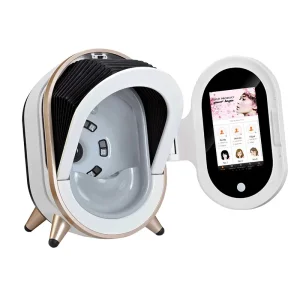
Embedding RGB/UV/PL skin analyzer cameras directly into the dermabrasion chassis, automatically adjusting hydro-peel pressure based on real-time epidermal hydration levels.
Smart micro-filtration systems that sanitize, balance pH, and recirculate active hydro-solutions during long procedures, dramatically cutting serum consumption.
Cloud-connected mainboards that transmit real-time pump health data, pressure readings, and treatment telemetry to factory support servers for proactive parts replacement.
Frequently Asked Questions for B2B Equipment Buyers
For standard logo placement (silkscreening or laser engraving) and customized user interface languages, factory MOQs typically start at just 1 to 5 units. For complete custom casing injection molds or bespoke metalwork chassis, MOQs generally start at 20 to 50 units depending on industrial design requirements.
Leading manufacturers provide a 1-year to 3-year factory warranty. Under warranty agreements, replacement modules (pumps, power supplies, mainboards, handpiece connections) are shipped via express courier (DHL/FedEx) within 48 hours. Technical support engineers guide local staff through modular plug-and-play swaps via video consultation.
Medical-grade platforms feature higher continuous negative vacuum pressure (-80 kPa to -100 kPa), durable medical-grade diaphragm pumps, autoclavable metal handpiece connectors, and strict ISO 13485 medical device compliance. Salon-grade units operate at lower vacuum pressures (-50 kPa to -65 kPa) tailored for light aesthetic skin conditioning without risk of tissue bruising.
Yes. Industrial aesthetic machines are manufactured with wide-input switching power supplies rated for 110V–240V AC at 50/60Hz. Factories supply regional power cords (US, EU, UK, AU plugs) compliant with local electrical safety standards.
Explore additional factory-direct professional systems engineered for body contouring, facial rejuvenation, and medical skin diagnostic integration.