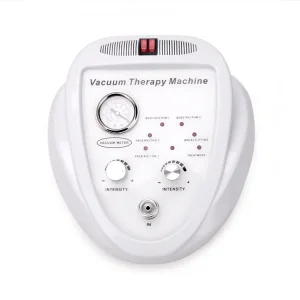
Top-Tier Professional Systems for Global Buyers
Explore our premium factory-direct aesthetic systems engineered for medical spas, clinical beauty chains, and regional wholesale distributors.

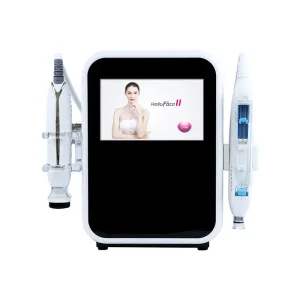
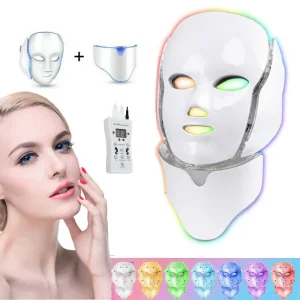
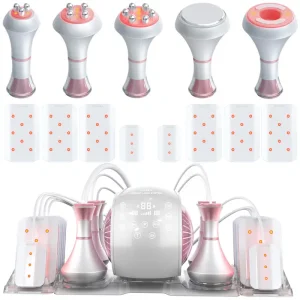
Executive Summary: The Global Aqua Peeling Market Shift
Strategic insights into the rapidly expanding hydrodermabrasion hardware sector, market demand metrics, and procurement shifts across global markets.
The global non-invasive aesthetic equipment sector is experiencing an unprecedented structural expansion. Driven by consumer demand for zero-downtime, clinically validated skin resurfacing treatments, the market for Aqua Peeling Facial Machines (Hydrodermabrasion Platforms) has transitioned from a niche luxury spa offering into an essential core technology for medical spas, dermatology clinics, and aesthetic chain operations worldwide.
According to current market intelligence, the global hydrodermabrasion device market is projected to expand at a Compound Annual Growth Rate (CAGR) of 11.4% through 2030. B2B procurement decision-makers—ranging from medical equipment importers to regional distributors—are increasingly seeking direct manufacturing partnerships with original equipment factories in high-tech industrial nodes like Shenzhen, China. This shift is driven by the need for enhanced technical customization, cost optimization, fluidic system durability, and strict international regulatory compliance (CE, FDA Class II, ISO 13485).
Micro-Fluidic Hydrodermabrasion Mechanics & Engineering Principles
Understanding the internal fluidic circuitry, negative pressure vacuum pumps, and bio-compatible tip ergonomics that define high-performance aqua peeling machines.
Dynamic Vortical Vacuum Extraction
Unlike conventional crystal microdermabrasion that relies on coarse mechanical friction, advanced Aqua Peeling Facial Machines utilize closed-loop liquid circuit systems powered by high-capacity negative pressure pumps (delivering up to 90-100 kPa of suction). The treatment tip produces a localized liquid vortex that dislodges micro-debris, oxidized sebum, and stratum corneum keratin while simultaneously infusing targeted serum solutions.
Sequential Solution Delivery Architecture
Professional multi-channel aqua peelers incorporate dual or triple solenoid valve manifolds. This allows clinicians to alternate seamlessly between Alpha Hydroxy Acids (AHA) for epidermal exfoliation, Beta Hydroxy Acids (BHA) for deep follicular pore dislodgement, and Hyaluronic Acid/Peptide complexes for instant transdermal hydration and skin barrier restoration.
Anti-Clogging Self-Cleaning Protocols
A primary point of equipment failure in low-grade hydrodermabrasion devices is serum crystallization inside internal tubing. Factory-grade systems manufactured by premier suppliers feature built-in automated reverse-flush cycles that sanitize fluid lines with ozone or dedicated cleaning rinse, reducing service call-outs by over 92%.
Technical Comparison: Factory-Grade vs. Entry-Level Aqua Peeling Systems
When procuring hydrodermabrasion hardware, enterprise buyers must evaluate internal mechanical specifications rather than superficial exterior housing. The table below details key technical differentiators:
| Engineering Attribute | Enterprise Factory-Grade Systems | Standard Entry-Level Units |
|---|---|---|
| Vacuum Pump Engine | Dual-Head Oil-Free Electromagnetic Diaphragm Pump (98-105 kPa) | Single Direct Current Miniature Motor (<60 kPa) |
| Internal Fluid Tubing | Medical-Grade Silicone & Anti-Corrosive Fluororubber | Standard PVC / Polyurethane Tubing (Prone to chemical wear) |
| Treatment Handpiece Ergonomics | Precision CNC Machine Polycarbonate + Spiral Abrasion Tips | Injection Molded ABS plastic (Prone to micro-cracking) |
| Multi-Modality Synergy | Integrated Bio-Microcurrent, Ultrasonic Scrubbing, & RF Fusion | Single Hydrodermabrasion Functionality only |
| Failure Rate Metric (MTBF) | >15,000 Hours Continuous Operating Capability | <1,500 Hours (High Maintenance overhead) |
Global Enterprise Procurement: Selecting Direct OEM Factories vs. Trading Suppliers
A rigorous evaluation methodology for international procurement directors seeking reliable manufacturing partners in China.
For B2B buyers—including medical device brand owners, aesthetic franchise chains, and international distributors—selecting the correct supplier model is the single most critical factor determining long-term profit margins and brand equity. Evaluating suppliers involves navigating complex supply chain variables:
1. Direct Manufacturing Infrastructure & Engineering Depth
Working directly with an established high-tech factory located in specialized industrial hubs like Guangming District, Shenzhen, grants direct access to the R&D engineering team. Direct factories maintain complete control over board-level electronic assembly, PCB soldering, mold design, and fluidic circuit integration. In contrast, third-party trading entities act as intermediaries, adding markup costs while lacking the technical knowledge required to solve complex hardware or firmware issues post-delivery.
2. OEM/ODM Customization Flexibility (Private Labeling)
Establishing brand differentiation in a crowded market requires custom physical and digital design features. Premier manufacturing facilities provide comprehensive customization programs including:
- Industrial Housing & Chassis Design: Custom color palettes, matte/gloss polyurethane finishes, and branded metallic accent plating.
- GUI & Software Localization: Multi-lingual UI programming, touch-screen branding logo embedding, and custom clinical preset programming.
- Proprietary Handpiece Molds: Customized spiral tip geometries designed to deliver exclusive clinical results for patented brand workflows.
3. Supply Chain Security & Component Quality
Leading factories mitigate supply chain disruptions by maintaining strategic inventories of medical-grade components, high-precision pressure sensors, and Japanese-engineered peristaltic pumps. This ensures consistent production lead times and guaranteed long-term availability of replacement parts.
Macro Industry Solutions & Multi-Modality Clinical Synergies
How modern clinics combine Aqua Peeling devices with complementary technologies to maximize treatment package margins and client retention.
Pre-Treatment Preparation for Energy Devices
Clinical data confirms that removing the insulating layer of hyper-keratinized dead skin cells and clearing follicular pore congestion increases skin electrical conductivity and photon absorption. Utilizing an aqua peeling protocol immediately prior to High-Intensity Focused Ultrasound (HIFU), Fractional RF, or IPL sessions improves treatment energy delivery and clinical outcomes by up to 35%.
Post-Peel PDT Light Therapy Synergies
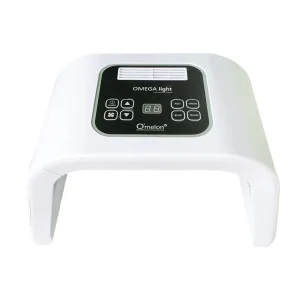
Following micro-fluidic pore clearance, skin permeability is temporarily heightened. Integrating Photodynamic LED Therapy (PDT)—utilizing narrow-band 630nm Red light for collagen synthesis or 415nm Blue light for P. acnes bacteria eradication—amplifies cellular repair mechanisms and accelerates client skin barrier restoration.
Scalp Health & Trichology Extensions
Modern Aqua Peeling platforms are increasingly deployed in trichology and hair restoration centers. Equipped with specialized micro-jet scalp nozzles, these units exfoliate scalp sebum buildup, remove follicular obstructions, and enhance the absorption of topical hair growth formulas and Low-Level Laser Therapy (LLLT) regimens.
Localization Support, Global Compliance & Quality Assurance Framework
Ensuring operational reliability, regulatory adherence, and frictionless customs entry across North American, European, and Asia-Pacific markets.
Navigating international medical and aesthetic device regulations requires strict adherence to manufacturing quality systems. Leading Shenzhen manufacturing hubs implement rigorous quality management frameworks to ensure global compliance:
International Regulatory Certifications
Enterprise suppliers maintain compliance with key international standards:
- ISO 13485:2016: Comprehensive quality management system for the design and manufacture of medical aesthetic devices.
- CE Marking (EU MDR / LVD / EMC): Ensuring electrical safety, electromagnetic compatibility, and medical device directive adherence for frictionless sale within the European Economic Area.
- FDA Registration & Class II Exemption Compliance: Verification of electrical and mechanical safety standards required for distribution in North America.
- RoHS & WEEE Compliance: Eco-friendly manufacturing eliminating hazardous substances in electronic assembly.
Comprehensive Quality Control (QC) Protocols
Before leaving the factory floor, every Aqua Peeling machine undergoes an intensive multi-stage testing process:
- 72-Hour Continuous Aging Test: Systems run under maximum vacuum load to identify potential electronic or mechanical failure points.
- High-Pressure Hydrostatic Line Test: Fluid lines are pressurized to 1.5x working capacity to guarantee leak-free operation over extended lifespans.
- EMI/RFI Interference Screening: Electronic shielding verification ensuring the machine operates smoothly alongside adjacent laser or radiofrequency platforms.
Technology Roadmap & Next-Generation Innovations in Aqua Peeling
Discover the future of hydrodermabrasion: Smart sensors, IoT connectivity, AI skin diagnostics, and micro-bubble generation.
AI Skin Sebum & Moisture Sensing
Next-generation Aqua Peeling platforms are integrating intelligent optical and conductance sensors inside the handpiece head. These sensors measure real-time skin hydration and sebum viscosity, automatically adjusting vacuum suction levels and serum dosage flow for optimized treatment efficacy.
In-Line Electrolytic H2/O2 Hydrogen Generators
Moving away from pre-mixed chemical solutions, advanced hydrodermabrasion devices utilize onboard electrolytic modules to split pure water into hydrogen-rich micro-bubbles. Active hydrogen acts as a powerful targeted antioxidant, neutralizing harmful free radicals directly within skin pores.
IoT Fleet Management & Remote Maintenance
For distributor chains managing hundreds of leased clinical units, embedded IoT telemetry enables real-time tracking of treatment cycles, filter lifespan alerts, solution consumption monitoring, and over-the-air (OTA) firmware updates.
Frequently Asked Questions (FAQ) for B2B Procurement
Expert answers addressing technical specifications, order logistics, warranty terms, and manufacturing customization for wholesale buyers.
Explore Additional Factory-Direct Aesthetic Platforms
Expand your clinic treatment menu or distributor distribution portfolio with our complete range of certified aesthetic hardware solutions.