
Choosing a Beauty Machine Distributor is more than comparing product prices. For a clinic, salon, or growing aesthetics business, the right partner can affect equipment selection, staff training, maintenance, and day-to-day service. A polished product page is useful, but it cannot tell you how quickly support arrives when a machine displays an error during a busy afternoon.
A dependable distributor should explain specifications in clear terms, provide practical demonstrations, and share written details about warranties, replacement parts, and service procedures. Ask how training is delivered and what happens after installation. Request documentation for product claims, and check that the equipment is suitable for your intended services and local requirements. These steps are not dramatic. They are useful.
Experience matters. So does transparency. A distributor with knowledgeable staff may help you compare treatment needs, operating costs, and available support instead of simply recommending the most expensive model. Still, no supplier can guarantee perfect results or effortless ownership. Machines need proper handling, upkeep, and realistic expectations. That part is easy to overlook.
This guide explores what to assess before choosing a distributor, from product range and training to after-sales support. It also considers questions worth asking before you sign an agreement. The process takes time. That is probably a good thing. A careful choice can help you build a more reliable service, while a rushed purchase may leave important details unanswered.
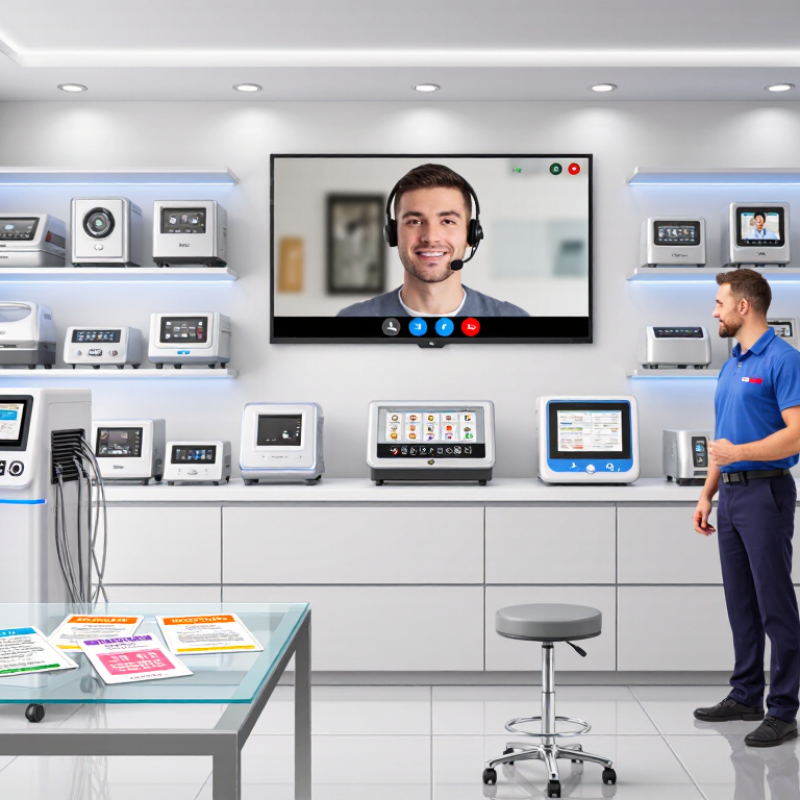
A beauty machine distributor is a business that sources aesthetic equipment from manufacturers and supplies it to clinics, salons, or medical spas. The role often extends beyond delivery. A capable distributor can explain device specifications, arrange installation, provide operator training, and coordinate maintenance or replacement parts. In practical terms, that may mean helping a clinic check a handpiece, review service records, or understand what support is available when a device stops working.
Demand makes this role relevant, but it does not prove every distributor is reliable. The International Society of Aesthetic Plastic Surgery’s 2023 Global Survey, published in 2024, recorded about 19.1 million nonsurgical aesthetic procedures worldwide. Procedure counts are not equipment sales figures, yet they show the scale of services that may depend on consistent equipment support. That matters. When assessing a distributor, buyers can ask for written training details, warranty terms, response times, and product documentation. They should also confirm that the equipment fits their intended services and staff qualifications. Demos can mislead. A polished presentation may not reveal slow repairs or unclear after-sales support, and distributors can fall short even when their product information looks thorough.
A beauty machine distributor can support a clinic or salon beyond the point of sale. A knowledgeable team can help match equipment to the treatment menu, room size, electrical capacity, staff experience, and client needs. It can also arrange installation, practical training, user manuals, maintenance, and troubleshooting. Ask what support is included, how quickly service requests are handled, and whether replacement parts are available. Details matter.
The need is real. The American Med Spa Association’s 2024 Medical Spa State of the Industry Report estimated U.S. medical spa revenue at $17.5 billion in 2023. The International SPA Association’s 2024 U.S. Spa Industry Study reported $21.3 billion in spa revenue and 182 million visits in 2023. These figures describe different sectors, but both point to busy service businesses where downtime can disrupt schedules. A distributor may help reduce avoidable delays through clear service plans and staff instruction. Still, support varies. A polished demonstration is not the same as ongoing technical help, and training cannot replace sound clinical judgment. Before buying, clinics and salons should review the warranty, service response terms, training scope, and applicable equipment requirements in writing.
A capable beauty machine distributor can turn a product purchase into a workable clinic setup. They can compare device functions, treatment needs, room space, and staff experience before recommending a configuration. That conversation matters: a compact room may not suit a large cart, even when its specifications look impressive. Details matter.
After delivery, the distributor may coordinate installation, explain operating steps, and train staff on routine checks. Good training should cover cleaning points, handpiece storage, error messages, and when to pause use and request technical help. Ask for written operating materials and a clear service contact, not just a quick demonstration. Response times vary. Ask how parts are sourced and warranty concerns are handled, and get the details in writing.
A distributor can also help plan maintenance and identify compatible accessories, reducing avoidable downtime. Still, support quality differs, and no distributor can replace careful staff training or sound treatment decisions. I would compare the support process as closely as the machine itself. Ask who answers, what information they need, and how follow-up is recorded.
A reliable beauty-machine distributor should offer more than a price list. Look for documented specifications, installation guidance, operator training, maintenance schedules, spare-parts access, and responsive technical support. Before buying, request user manuals, warranty terms, service response times, and training records. Ask staff to explain calibration, cooling, and handpiece care in plain language. Details matter.
Demand makes support practical, not decorative. ISAPS’s 2023 Global Survey estimated 34.9 million surgical and nonsurgical aesthetic procedures worldwide, including 19.1 million nonsurgical procedures. These figures describe procedure volume, not demand for any specific machine. Still, they point to a busy service environment where equipment downtime may disrupt appointments. A distributor should help buyers assess usage, consumables, upkeep, and staff competency, then document follow-up checks. Request references from comparable clinics and written escalation steps. Fast replies help. But promises are not proof. Ask a specific technical question before signing, and notice whether the answer is useful or merely polished. I would also expect candid advice about a device’s limits. That conversation may feel less impressive, but it can be more valuable.
A capable distributor can support buyers from product selection through ongoing maintenance. Bars show the number of six common service areas that may apply at each stage; this is an illustrative service-planning checklist, not survey data.
Why Choose a Beauty Machine Distributor? How Can You Choose the Right Beauty Machine Distributor?
Choosing a beauty machine distributor is about more than comparing prices. Start with your intended treatments, customer volume, and staff experience. Ask for clear specifications, operating instructions, and maintenance requirements for each machine. A knowledgeable distributor should explain what a device can and cannot do without promising unrealistic results. Details matter.
Check the support behind the sale. Request written warranty terms, training options, service response times, and information about replacement parts. If possible, speak with other buyers who use similar equipment in a comparable setting. Look for practical evidence, such as a sample training schedule or a service checklist. One detail is easy to miss: a low purchase price may not include setup, shipping, or future servicing. I would compare the full cost over time, even though those estimates can be imperfect. Also confirm that product documentation meets the requirements relevant to your location.
Tips: Ask the distributor to demonstrate routine setup and cleaning. Note how clearly they answer questions. If an answer feels vague, pause and ask for written clarification before ordering.
| Evaluation Dimension | Why It Matters | What to Check | Questions to Ask |
|---|---|---|---|
| Product Suitability | A suitable device should match the treatments you plan to offer, your client needs, and your operating environment. | Intended use, available configurations, operating requirements, and compatibility with your services. | Which treatment purposes is this device designed for, and what requirements should my facility meet? |
| Regulatory Documentation | Requirements differ by device type and market. Clear documentation helps buyers assess applicable obligations before purchase. | Request relevant declarations, certificates, labeling, instructions for use, and supporting documents. Confirm their applicability with the relevant local authority or qualified adviser. | Which documents apply to this device in my market, and can I review them before placing an order? |
| Training and Onboarding | Good onboarding helps staff understand setup, operation, maintenance, and safety procedures. | Training format, user materials, language availability, and whether training is included or charged separately. | What training is provided, who can attend, and how can staff access the materials afterward? |
| After-Sales Support | Responsive support can help resolve setup or operating questions and clarify the next steps when a device needs service. | Support channels, service coverage, escalation process, and stated response arrangements. | How do I report a problem, and what support is available during and after the warranty period? |
| Warranty and Service Terms | Written terms make coverage, exclusions, and service responsibilities easier to understand before purchase. | Warranty duration, covered components, exclusions, service procedure, and any shipping or labor costs. | Can you provide the full warranty terms and explain how repairs or replacements are handled? |
| Parts and Consumables | Availability of required accessories, replacement parts, or consumables can affect ongoing operation and planning. | Parts list, ordering process, compatibility information, and whether items are included or sold separately. | Which parts and consumables are required, and how can I confirm they are compatible with the device? |
| Distributor Experience | Relevant experience can help a distributor explain product selection, installation, and routine use more clearly. | Experience with similar device categories, customer references where available, and the distributor’s role in installation or service. | What experience do you have supporting businesses with similar equipment and service needs? |
| Pricing and Total Cost | The purchase price may not include every cost needed to install, operate, or maintain the equipment. | Itemized quotation covering the device, delivery, installation, training, accessories, taxes, and recurring costs where applicable. | Can you provide a written quotation that identifies included items and any additional or recurring costs? |
| Delivery and Installation | Planning for delivery and setup helps buyers prepare their premises and coordinate staff availability. | Delivery terms, installation responsibilities, site preparation, estimated schedule, and acceptance process. | What must be ready before delivery, and who is responsible for setup and commissioning? |
| Clear Communication | Transparent answers and consistent written information make it easier to compare options and manage expectations. | Detailed product information, written commitments, clear contact details, and timely responses to questions. | Can you confirm the agreed specifications, delivery terms, support arrangements, and costs in writing? |
Buyer tip: Compare distributors using the same checklist, review all terms in writing, and independently confirm any regulatory requirements that apply to your location and device.
A distributor sources aesthetic equipment and supplies it to clinics, salons, or medical spas. Some also arrange installation, training, and maintenance.
Support may include operator training, troubleshooting, maintenance, and replacement parts. Ask what is included in writing.
Request written warranty terms, service response times, training details, and product documentation. Details matter.
No. A polished demo may not show repair delays or unclear service terms. I would not rely on the demo alone.
Consider the treatment menu, room size, electrical capacity, staff experience, and client needs. A poor fit can create practical problems.
When equipment stops working, appointments may be disrupted. Clear service plans can help reduce avoidable delays.
No. They indicate the scale of services, not equipment sales. That distinction is easy to overlook.
Check warranty terms, service response details, training scope, available parts, and applicable equipment requirements. Read the fine print.
A Beauty Machine Distributor connects clinics and salons with professional equipment suited to their services, space, and budgets. Beyond supplying machines, a reliable distributor can help businesses compare options, understand key features, and make informed purchasing decisions. This support is especially valuable for teams that want to introduce new treatments or upgrade their equipment without navigating the process alone.
The right distributor should offer clear product information, staff training, responsive technical support, maintenance guidance, and dependable after-sales service. When choosing one, consider its experience, communication, service coverage, warranty terms, and ability to understand your business needs. A distributor that provides practical advice and ongoing support can help a clinic or salon use its equipment confidently, plan for long-term upkeep, and deliver a consistent experience for clients.
