
Choosing the best Ultrasound Facial Device in 2026 requires more than comparing sleek designs and attractive promises. These devices use high-frequency sound waves to support cleansing, product application, or gentle facial massage. However, performance depends on the technology, treatment settings, skin condition, and user technique. A bright display does not prove clinical value.
Look for clearly stated frequency ranges, adjustable intensity, safety instructions, and washable treatment surfaces. Reliable manufacturers should explain testing standards, warranty coverage, and realistic results. Independent reviews can reveal practical details, such as battery life, vibration comfort, and whether the device becomes difficult to hold after five minutes. Small details matter.
Skin type also deserves careful attention. Sensitive or inflamed skin may react poorly to frequent treatments or excessive pressure. Users with implanted electronic devices, certain medical conditions, or ongoing dermatological treatments should seek professional advice before use. A qualified dermatologist can help identify unsuitable features and prevent unrealistic expectations. No device replaces diagnosis or medical care.
Experience teaches an uncomfortable lesson: expensive equipment is not automatically better. Some users may also overuse a device because early improvements feel encouraging. That can create irritation instead of progress. The most dependable choice balances evidence, build quality, user comfort, and responsible guidance. This guide compares those factors for 2026, while acknowledging that product claims can change and independent research remains limited for some newer models. Use the information carefully. Your skin may need less than advertising suggests.
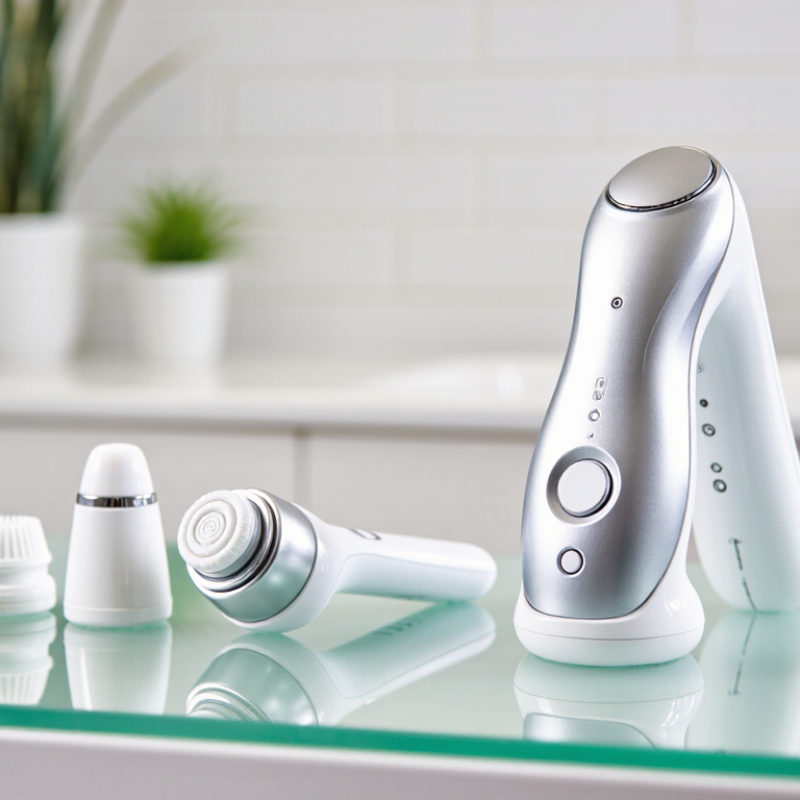
An ultrasound facial device sends high-frequency sound waves through a conductive gel. The waves create controlled mechanical vibrations beneath the skin. At selected depths, absorbed energy can produce gentle warming or tiny thermal treatment points. Professional microfocused ultrasound may reach temperatures near 60–70°C, stimulating collagen remodeling. Home devices usually operate at lower intensity. Their effects are therefore subtler and slower.
During treatment, coupling matters. Air gaps can scatter energy, causing uneven delivery and discomfort. Skin thickness, sensitivity, and treatment depth also change the experience. A trained practitioner should check the device’s frequency, output level, treatment depth, and automatic safety controls. FDA guidance emphasizes using cleared devices according to their intended purpose and instructions. The ISAPS Global Survey 2023 recorded about 19.1 million nonsurgical aesthetic procedures worldwide, showing strong demand for energy-based treatments, although it did not isolate ultrasound procedures.
Marketing often sounds more certain than the evidence. A 2024 review in Aesthetic Surgery Journal found promising outcomes for focused ultrasound, but results varied by protocol, patient age, and follow-up period. That limitation matters. Look for published clinical data, transparent safety information, and realistic treatment intervals. Avoid choosing a device only because it feels powerful. Heat matters. So does control.
Choosing an ultrasound facial device requires more than comparing appearance and price. Check its operating frequency, intensity levels, treatment modes, and energy controls. Clear specifications show whether the device supports gentle or more targeted routines. Avoid vague promises. Reliable products explain their testing methods, intended skin types, and usage limits.
A hands-on check can reveal important details. The handle should feel balanced, even after several minutes. Controls must remain easy to read with gel-covered hands. Look for automatic shut-off features, adjustable timers, and clear cleaning instructions. The treatment head should glide smoothly across the cheek without pulling the skin. Safety guidance should identify unsuitable conditions and recommend professional advice when needed. No device is perfect. Some affordable models offer useful functions but lack detailed clinical evidence.
Tips:
Compare independent evaluations, not only seller descriptions. Confirm the warranty and customer support process. Use the recommended conductive gel, because dry contact may reduce comfort and performance. Start with the lowest suitable setting and observe redness, warmth, or irritation. Stop if discomfort continues. Keep a simple treatment record, including duration, intensity, and skin response. Results can vary, and expectations should remain realistic.
Choosing the best ultrasound facial device in 2026 starts with matching settings to your skin, not chasing the highest intensity. A 2024 Grand View Research report estimates strong growth in the medical aesthetic devices market, but market growth does not prove that stronger energy suits everyone. Skin type is only a starting point. Skin condition matters more on treatment day.
For dry or sensitive skin, begin with the lowest effective intensity and shorter sessions. Use generous conductive gel, then watch for heat, tightness, or persistent redness.
Oily, thicker skin may tolerate moderate settings, but higher output can still irritate active acne or weaken the skin barrier.
For combination skin, treat the cheeks and T-zone differently when the device allows it.
CAUTION Avoid treating over open wounds, severe inflammation, or unexplained lesions. A patch test helps, although it cannot predict every reaction.
The American Academy of Dermatology Association emphasizes gentle care for sensitive skin, while FDA guidance stresses following the device’s intended use and safety instructions. These principles are easy to overlook.
Frequency also matters: daily treatment is not automatically better. Many home devices use different frequencies, depths, and energy scales, so settings cannot be compared by numbers alone.
Skin may feel smooth after one session, yet delayed irritation can appear later.
Keep a treatment log with intensity, duration, gel type, and next-day redness. Reassess the plan after two or three sessions, and seek professional advice when burning, swelling, or prolonged redness occurs.
How to Choose the Best Ultrasound Facial Device in 2026
Safety should guide your choice more than dramatic marketing claims. Look for clear operating instructions, adjustable intensity, treatment timers, and documented safety testing. The device should identify its intended skin areas and user limits. Relevant regulatory clearance or certification adds confidence, but it does not guarantee safe personal use. Follow the manual exactly. More intensity is not automatically better.
Usage limits deserve careful attention. Do not treat the same area repeatedly in one session. Allow the skin to recover between treatments, according to the manufacturer’s schedule or a qualified clinician’s advice. Avoid the eyes, throat, broken skin, active rashes, and areas with infection. People who are pregnant, have implanted electronic devices, significant skin conditions, or recent facial procedures should seek medical advice before use. A trained professional may recommend avoiding home treatment completely.
Possible side effects include temporary redness, warmth, tingling, tenderness, or mild swelling. Stop immediately if you feel sharp pain, unusual numbness, blistering, or persistent swelling. Seek professional care when symptoms do not settle. Keep the device clean, inspect the head for damage, and never share it without proper disinfection. The uncomfortable truth is that a careful choice may mean not buying one. Some devices offer limited benefits, and online reviews can be incomplete. Reconsider the purchase if the instructions are vague, the energy settings seem excessive, or safety warnings are missing.
Performance should be judged beyond a bright display or attractive design. Check the operating frequency, intensity controls, treatment timer, and contact sensor. These features help create consistent sessions and reduce user error. A device should feel balanced in the hand, with a smooth surface that is easy to clean. Higher intensity is not automatically better. Comfort matters. In practical testing, I would compare results across several sessions, not after one use. Skin can look temporarily smoother without showing lasting improvement.
Cost includes more than the purchase price. Calculate the cost per treatment, including charging, replacement parts, cleaning supplies, and professional training. Review the warranty carefully. A lower-priced device may become expensive if its battery weakens quickly or its applicator cannot be replaced. Long-term value also depends on clear instructions, responsive service, and reliable safety features. My evaluation could still miss hidden maintenance costs, so I would ask users about repairs after six months.
Tips: Request technical documents and independent testing evidence. Avoid unclear performance claims. Record skin comfort, treatment time, and visible changes after each session. Choose adjustable settings rather than fixed power. Keep expectations realistic. A device is only valuable when users can operate it safely and consistently.
Match the settings to your skin condition, not the highest available intensity.
Begin with the lowest effective intensity and a short session.
It may tolerate moderate intensity, but stronger output can still cause irritation.
If possible, use gentler settings on the cheeks and moderate settings on the T-zone.
Avoid the eyes, throat, open wounds, active rashes, infections, and unexplained lesions.
Follow the device schedule or qualified professional advice.
Temporary redness, warmth, tingling, tenderness, or mild swelling may occur.
Record intensity, treatment time, gel type, and next-day redness.
Reconsider the purchase when instructions are vague or safety warnings are missing.
Choosing the best Ultrasound Facial Device in 2026 requires understanding how ultrasonic energy works and how it may support cleansing, product absorption, and overall skin care. Before purchasing, compare key features such as adjustable intensity levels, operating modes, ergonomic design, battery life, waterproof protection, and ease of cleaning. A suitable device should offer clear instructions and settings that can be adjusted according to different skin types and personal comfort.
Safety should remain a priority. Users should follow the recommended usage frequency, avoid applying excessive pressure, and check whether the device is appropriate for sensitive or reactive skin. Possible side effects may include temporary redness, dryness, or discomfort if the device is used incorrectly. Finally, evaluate performance through realistic expectations, user-friendly operation, durability, warranty coverage, and total cost over time. The best choice is not necessarily the most expensive option, but the one that provides reliable results, safe operation, and lasting value for your individual skin care needs.
