
Choosing the right Ultrasonic Facial Device can feel confusing, especially when every product promises smoother, brighter, younger-looking skin. A sleek design does not guarantee safe or useful performance. The best choice depends on your skin type, treatment goals, device settings, and daily routine. It should also come from a transparent brand that explains its technology clearly.
Small details matter. Check whether the device offers adjustable intensity, comfortable handling, and straightforward cleaning instructions. A model that fits easily in your hand may be more practical than a heavier device with extra features. Look for clear information about vibration frequency, recommended use, battery safety, and return policies. Independent reviews can help, but they should not replace professional advice, particularly for sensitive skin or existing skin conditions.
Results may also require realistic expectations. An Ultrasonic Facial Device can support cleansing or product application, but it cannot replace sunscreen, gentle skincare, or medical treatment. Some users notice a fresher texture after several uses. Others see little change. That difference is normal. Personal experience can be useful, yet it can also be biased by lighting, product changes, or inconsistent routines. Keep simple notes and observe how your skin responds. Stop using the device if irritation, pain, or unusual redness develops. This guide presents seven practical tips grounded in careful product research, manufacturer guidance, and sensible skincare habits, helping you choose with more confidence and fewer expensive mistakes.
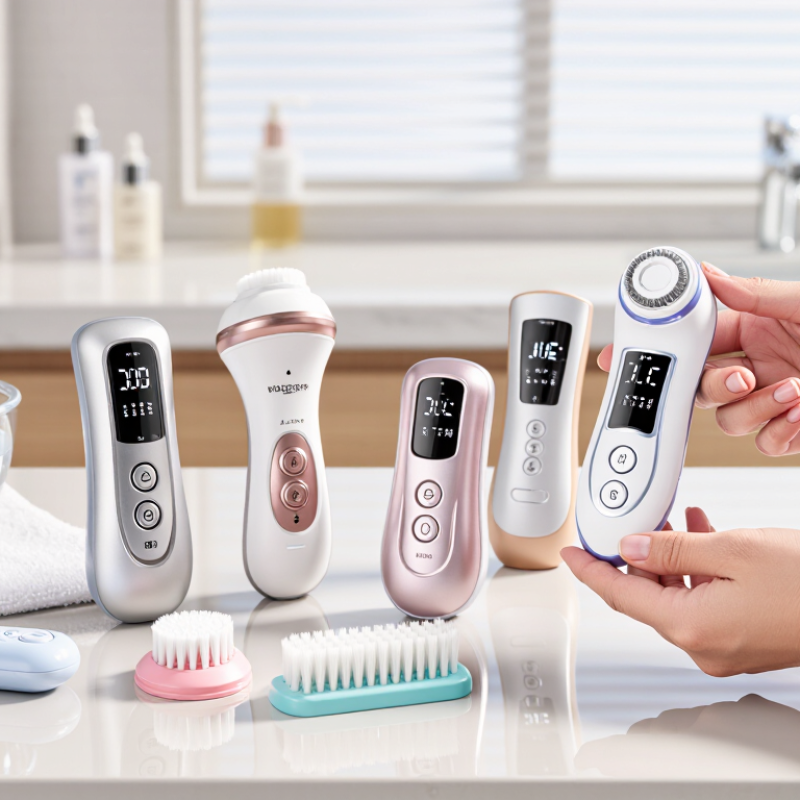
Before choosing an ultrasonic facial device, define the skin problem you want to address. Your goal might be removing surface debris, improving product spread, or supporting gentle exfoliation. These goals require different settings and expectations. A device cannot replace treatment for persistent acne, rosacea, pigmentation, or painful inflammation. The American Academy of Dermatology recommends professional evaluation for ongoing or severe skin concerns. Be specific. “Better skin” is too vague.
Consider your skin’s tolerance, treatment frequency, and daily routine. Sensitive skin may need shorter sessions and lower intensity, while oily skin still requires moderation. The International Society of Aesthetic Plastic Surgery reported 34.9 million nonsurgical aesthetic procedures worldwide in 2023, showing strong interest in low-downtime care. However, popularity is not proof of suitability.
Look for clear instructions, adjustable intensity, timed sessions, and transparent safety information. Avoid choosing a device only because it promises dramatic results.
Test carefully. Use clean skin, adequate moisture, and minimal pressure. Stop if you notice burning, swelling, or lasting redness. I once assumed stronger vibration meant deeper cleansing; that belief deserves reconsideration. More intensity can create more irritation, not better results. Keep a simple record of session length, skin response, and changes over several weeks. This practical evidence may be more useful than impressive advertising claims. Consult a qualified dermatologist before use if you have active skin disease, broken skin, or uncertainty about treatment safety.
7 Tips to Choose the Best Ultrasonic Facial Device
A good ultrasonic facial device should be judged by its settings, not a glossy promise. Compare the technology first. Ultrasonic spatulas often use high-frequency vibration to loosen surface debris. Other systems deliver energy through different contact methods. These functions are not interchangeable. Check whether the device produces continuous or pulsed waves. Read how it should touch the skin. A flat spatula may require a different technique than a rounded treatment head.
Frequency deserves careful attention. A higher number does not automatically mean better cleansing or absorption. Facial tools may list frequencies in kilohertz or megahertz. However, measurement methods can differ between manufacturers. Compare products using the same unit. Look for clear technical documents or independent testing. Marketing language can sound more precise than the evidence. I would slow down here.
Intensity settings affect comfort and control. Start with the lowest level, especially around the cheeks, nose, and jawline. Use the recommended conductive gel or water-based medium. Keep the head moving, and avoid prolonged contact in one spot. A stronger sensation is not proof of better performance. I once assumed that more intensity meant more results; that assumption was weak. Skin redness, stinging, or unusual dryness signals a need to stop. Avoid use on broken or irritated skin, and follow the manual’s safety warnings.
Compare ultrasonic technology, frequency, wavelength, and intensity settings before you buy.
Ultrasonic spatulas commonly use audible-range ultrasonic vibration, while facial ultrasound devices generally operate in the megahertz range.
Higher frequency produces a shorter wavelength and is generally associated with shallower energy penetration in soft tissue.
Look for acoustic intensity stated in W/cm². A device with clearly disclosed low, medium, and high output levels is easier to compare and control.
Multiple intensity levels allow users to begin conservatively and adjust according to skin sensitivity and the manufacturer’s instructions.
Continuous and pulsed modes deliver energy differently. Confirm which mode is available and how it affects treatment duration.
A flat contact surface, smooth edges, and a suitable conductive gel or water-based medium help maintain consistent coupling.
Follow the operating instructions and avoid use over areas or conditions restricted by the manufacturer or a qualified healthcare professional.
The wavelength values are calculated from λ = c/f using an approximate soft-tissue sound speed of 1,540 m/s. Actual penetration depends on frequency, intensity, pulse mode, tissue properties, and applicator design. Frequency alone does not indicate treatment strength.
Tip 1: Check for adjustable intensity. Gentle settings suit first-time users and sensitive areas.
Tip 2: Look for automatic shutoff and overheating protection. These features reduce mistakes during longer sessions.
Tip 3: Read the complete safety instructions. A device should explain cleaning, charging, and usage limits clearly.
Tip 4: Examine every material touching your skin. Smooth, skin-safe silicone or well-finished stainless steel can feel more hygienic. Avoid rough seams, strong chemical smells, or loose parts.
Tip 5: Confirm water resistance carefully. “Splash-proof” does not always mean safe for full immersion. I once assumed these terms were interchangeable, and that was careless.
Tip 6: Match the device to your skin condition. Test it on a small area for one day before treating your face. Stop if you notice burning, swelling, persistent redness, or unusual dryness.
Tip 7: Consider professional advice when you have eczema, rosacea, active acne, or recent cosmetic procedures. Personal experience can guide comfort, but it cannot replace clinical judgment. Use conductive gel only when the instructions recommend it. Keep the head moving slowly, rather than pressing hard in one spot. Clean the contact surface after each use, even when it looks spotless. Small details matter.
A good ultrasonic facial device should feel balanced, not overly heavy. Check the handle before buying. It should remain secure with damp hands and fit comfortably around the jawline. A narrow treatment head can reach the nose more precisely. However, an extremely small head may make sessions unnecessarily long. Look for simple controls, readable symbols, and an automatic shutoff. Fewer buttons usually mean fewer mistakes.
Usability matters during real routines. Use the device on clean, moist skin, following the manufacturer’s instructions. Dry skin can create uncomfortable dragging. I once chose a model with a glossy control panel, and wet fingers activated the wrong setting. That small design flaw became frustrating. A timer, gentle intensity options, and a clear charging indicator are more useful than decorative lights. People with sensitive skin should begin cautiously and stop if burning, swelling, or persistent redness appears.
Battery life affects consistency. A device that needs charging after every session may soon stay in a drawer. Check the stated running time, charging method, and whether the battery indicator is easy to read. Maintenance also deserves attention. The treatment head should have smooth edges and no hidden grooves where residue can collect. Wipe it after each use with a soft, suitable cloth, then let it dry completely. Do not submerge the device unless the instructions clearly permit it. Rechargeable batteries can weaken over time, so published care guidance adds credibility. Still, specifications are not guarantees; actual performance depends on settings, storage, and usage frequency.
Choosing an ultrasonic facial device starts with product quality, not a shiny screen. Look for clear specifications, stable construction, and a smooth, sealed treatment head. The device should feel balanced in your hand. Check charging details, operating instructions, and cleaning guidance before buying. A vague manual is a warning sign. In my experience, simple controls often prove more useful than extra modes.
Tip 1: Inspect materials, safety guidance, and return conditions. Skin-contact surfaces should be easy to clean and free from visible defects. Avoid assuming a higher price means better engineering.
Reviews can reveal daily problems that product photos hide. Read verified buyer feedback across several independent platforms. Pay attention to repeated comments about weak vibration, rapid battery loss, or confusing controls. A single angry review may reflect misuse, but ten similar reports deserve attention. Look for reviewers who describe skin type, frequency, and results over several weeks. Short praise feels pleasant, yet it tells little.
Tip 2: Compare detailed experiences, not star ratings alone. Some reviews are incomplete, and my own judgment can be biased by attractive packaging.
A reliable warranty shows confidence, but read its limits carefully. Confirm coverage length, replacement procedures, shipping responsibility, and exclusions for water damage. Keep the receipt and registration details. Tip 3: Calculate total value over one year, including accessories, replacement parts, and possible service costs. A cheaper device may cost more if its battery fails early. Consider how often you will realistically use it. If a ten-minute routine feels inconvenient, unused features have no practical value.
I once overvalued technical claims and underestimated comfort. That was a useful mistake. Value means dependable performance, understandable support, and a routine you can maintain.
Choose one clear aim, such as removing surface debris, spreading products, or supporting gentle exfoliation. “Better skin” is too vague.
No. It cannot replace professional care for ongoing acne, rosacea, pigmentation, or painful inflammation.
Start with the lowest intensity and a short session. Use clean, damp skin and minimal pressure.
Adjustable intensity, automatic shutoff, overheating protection, and clear cleaning and charging instructions matter.
Look for smooth silicone or well-finished stainless steel. Avoid rough seams, strong chemical smells, and loose parts.
No. Follow the exact water-resistance instructions. I once treated those terms as identical; that was careless.
Test a small area for one day. Stop after burning, swelling, lasting redness, or unusual dryness.
Keep the head moving slowly, rather than pressing one spot. Clean the contact surface after every use, even when it looks spotless.
Ask a qualified dermatologist if you have active skin disease, broken skin, eczema, rosacea, active acne, or recent cosmetic procedures.
Choosing the right Ultrasonic Facial Device begins with understanding your personal skin goals, such as improving cleansing, enhancing product absorption, or supporting smoother-looking skin. Compare each device’s ultrasonic technology, operating frequency, and intensity settings to find options that match your skin type and comfort level. Adjustable settings can provide a more personalized experience, especially for sensitive or combination skin.
Safety and practicality are equally important. Look for skin-friendly materials, clear usage instructions, automatic shutoff, and features that help prevent excessive treatment. Consider the device’s shape, controls, battery life, charging method, and how easy it is to clean and maintain. Finally, evaluate product quality through reliable customer reviews, warranty coverage, and overall value rather than focusing only on price. A well-designed device should be comfortable, durable, simple to use, and suitable for consistent skincare routines.
