
China Top 10 Laser Hair Removal Equipment Manufacturers
China has developed a broad ecosystem of aesthetic-device manufacturers, including companies that produce Laser Hair Removal Equipment for clinics and distributors. Their products can differ in wavelength options, spot size, cooling methods, interface design, and service support. Small details matter. A comfortable handpiece, clear treatment settings, and accessible replacement parts can shape daily use as much as headline specifications.
This overview of China’s top 10 manufacturers is a starting point, not a guarantee that one supplier fits every clinic. Buyers should compare technical documentation, quality-control processes, training resources, warranty terms, and the availability of local service. Ask for product demonstrations and consistent answers about operating parameters. Check claims against verifiable records rather than relying on polished brochures alone. Details can be missed.
Manufacturer rankings also change as product lines, business relationships, and support networks evolve. No list is perfect. The companies discussed here are considered through practical factors such as product range, manufacturing experience, communication, and market presence. These indicators do not replace independent evaluation. A device that performs well in a showroom may feel different during a full day of appointments. Careful comparison helps readers understand what each manufacturer offers, which questions to ask, and where further verification is needed before making a purchasing decision.
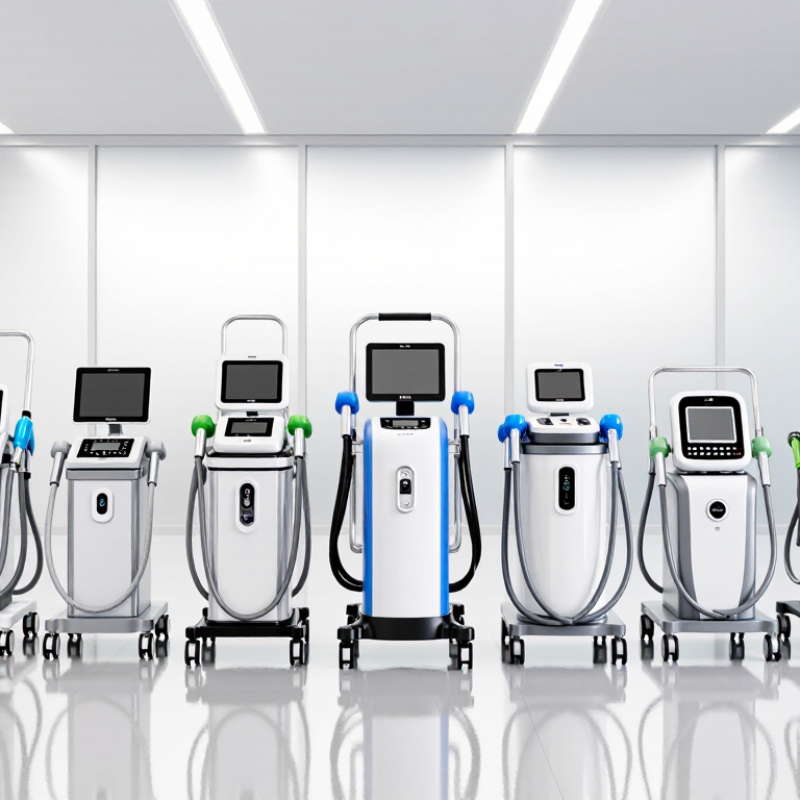
China’s Top 10 Manufacturers: Product Categories and Market Scope
China’s laser hair-removal equipment market includes manufacturers focused on professional clinics, beauty salons, and distributors seeking private-label production. Product ranges commonly include diode laser systems, intense pulsed light platforms, and multi-function devices. The phrase “top ten” is not a fixed technical ranking; buyers should compare documented specifications and support, not catalogue claims alone.
Diode systems are a major category, with variations in wavelength options, handpiece design, and contact cooling. IPL platforms use broad-spectrum light and may offer several filters for different cosmetic applications. Some suppliers also produce Nd:YAG systems or combine hair-removal functions with other aesthetic features. More functions do not always mean better value. A crowded interface can make daily operation less straightforward.
Market scope varies from domestic equipment sales to export-oriented manufacturing, OEM arrangements, and distributor support. Buyers can request test reports, user manuals, warranty terms, and details on spare-part availability before comparing quotations. Ask how cooling performance is checked during extended use, not just in a short demonstration. Service quality can vary between suppliers, and written commitments may still leave practical gaps. That deserves scrutiny. Product fit depends on the intended setting, staff training, and local service access, so a careful comparison should include operating costs as well as purchase price.
China Top 10 Laser Hair Removal Equipment Manufacturers - China’s Top 10 Manufacturers: Product Categories and Market Scope
This table summarizes ten common equipment categories and their general market scope; it is not a verified ranking of manufacturers. Actual device specifications, intended users, and permitted applications vary by model and market.
| No. | Product Category | Common Technology or Configuration | Typical Market Scope | Common Buyer Channels |
|---|---|---|---|---|
| 1 | Diode laser hair removal systems | Typically use diode laser wavelengths around 800–810 nm; cooling and handpiece configurations vary. | Professional hair-reduction services across a range of skin and hair profiles, subject to device labeling and operator training. | Aesthetic clinics, medical practices, and professional beauty businesses where permitted. |
| 2 | Alexandrite laser systems | Use an alexandrite laser wavelength of approximately 755 nm. | Professional hair-reduction treatments; suitability depends on the device instructions and individual assessment. | Dermatology and aesthetic clinics, and other licensed professional providers where permitted. |
| 3 | Long-pulsed Nd:YAG laser systems | Use a 1064 nm Nd:YAG wavelength; pulse and spot-size options differ by model. | Professional hair-reduction applications, including use cases for which longer-wavelength systems are selected by trained providers. | Medical and aesthetic clinics with appropriately trained operators. |
| 4 | Dual-wavelength laser platforms | Common configurations combine alexandrite 755 nm and Nd:YAG 1064 nm laser sources. | Multi-purpose professional treatment settings seeking more than one laser wavelength in a single platform. | Clinics and professional aesthetic centers. |
| 5 | Multi-wavelength diode systems | Often combine diode wavelengths such as 755 nm, 808 nm, and 1064 nm; exact combinations vary. | Professional hair-reduction services with selectable wavelength configurations, according to the product’s validated indications. | Aesthetic clinics, professional salons, and distributors serving those channels where regulations allow. |
| 6 | Contact-cooled diode systems | Diode laser handpieces commonly use contact cooling; implementation and temperature controls are model-specific. | Professional settings that prioritize integrated skin-contact cooling during treatment. | Clinics and professional beauty businesses. |
| 7 | Large-spot or high-throughput systems | Designed with larger treatment spots or operating modes intended to support faster coverage; performance depends on the model and protocol. | High-volume professional practices treating larger areas, subject to manufacturer instructions and local rules. | Busy clinics, aesthetic centers, and multi-provider practices. |
| 8 | Compact or portable professional systems | Smaller-footprint equipment; portability, output, and cooling capabilities vary substantially by device. | Smaller treatment rooms, mobile professional services where allowed, and practices with limited floor space. | Independent clinics, smaller aesthetic practices, and professional distributors. |
| 9 | IPL hair-reduction systems | Use intense pulsed light (IPL), a broad-spectrum light source rather than a laser. | Professional light-based hair-reduction services where the device is authorized and used according to its labeling. | Beauty businesses and aesthetic clinics, depending on local licensing requirements. |
| 10 | Multi-platform aesthetic systems with a hair-reduction module | Combine a hair-reduction handpiece or light source with other aesthetic functions; available modules differ by platform. | Practices seeking several aesthetic service categories on one equipment platform. | Multi-service aesthetic clinics and professional treatment centers. |
FAQS
No. The phrase is not a standardized ranking. Compare documented specifications and support instead. Catalogue claims alone are not enough.
Common options include diode laser systems and intense pulsed light platforms. Some suppliers also offer Nd:YAG systems or multi-function devices. More features do not always mean better value.
Diode systems can vary in wavelength options, handpiece design, and contact cooling. IPL uses broad-spectrum light and may include filters for different cosmetic applications. Ask which model suits your intended setting.
Request studies naming the exact model, wavelength, treatment settings, skin types, and follow-up period. Check for adverse-event reporting and realistic outcomes. Photos alone are weak evidence.
No. A quality-management certificate does not prove treatment effectiveness. Verify certificates against the device model and manufacturing site, and check their scope with the issuing body.
Ask how cooling is tested during extended use, not only during a brief demonstration. A cool handpiece in a short test may not tell the whole story.
Request written training plans, response times, maintenance records, and spare-part availability. Ask who handles faults and how quickly. A replacement handpiece may take longer than expected.
Consider operating costs, staff training, local service access, warranty terms, and spare parts. OEM arrangements and distributor support may also vary. The paperwork can look tidy, yet practical gaps remain.
Conclusion
China’s Laser Hair Removal Equipment market includes a range of manufacturers serving clinics, salons, and professional distributors with systems designed for different treatment needs. Comparing product categories and market scope can help buyers understand how platforms vary in configuration, intended use, and service offerings. Common systems use 755 nm, 808/810 nm, or 1064 nm wavelengths, each selected according to treatment goals and individual skin and hair characteristics.
When evaluating equipment, consider fluence, pulse width, and spot size alongside cooling features and operating controls. These specifications influence how energy is delivered and how treatments are managed. Class 4 laser systems require appropriate safety procedures, and buyers should review relevant documentation, including IEC 60825-1 compliance information. A thorough comparison also considers clinical evidence, product certifications, training, warranty terms, and the availability of technical support. Assessing these factors together provides a clearer basis for selecting equipment suited to a professional setting.
