
Hair loss products are attracting serious commercial interest, but the evidence behind each device differs widely. Grand View Research estimated the global hair loss treatment market at USD 2.57 billion in 2023. Its report projects continued growth through 2030. However, market size does not prove clinical effectiveness.
This is where a hair grow comb from China deserves careful evaluation. The category includes LED combs, laser combs, massage devices, and mixed-function products. Their designs can look similar on a white bathroom shelf. Their technical performance may not be similar. Check the light wavelength, output power, treatment duration, battery quality, and independent safety testing. The American Academy of Dermatology Association notes that hair loss has many causes, including hereditary patterns, illness, stress, and nutritional problems. A comb cannot diagnose those causes.
Hair-disorder specialist Dr. Antonella Tosti has offered a practical warning: “There is no magic cure for hair loss.” That sentence should guide every buying decision. Low-level light therapy has shown potential in some small clinical studies, yet systematic reviews still report limitations in study quality, treatment duration, and long-term evidence. The FDA has cleared some light-based devices, but clearance is not the same as guaranteed regrowth.
This guide compares Chinese hair grow comb options through an evidence-focused lens. It considers specifications, user experience, manufacturing transparency, warranty support, and realistic claims. Some product pages remain vague. That matters. A cheaper comb may offer impressive packaging but weak documentation. A better choice may be less glamorous, independently tested, and easier to return.
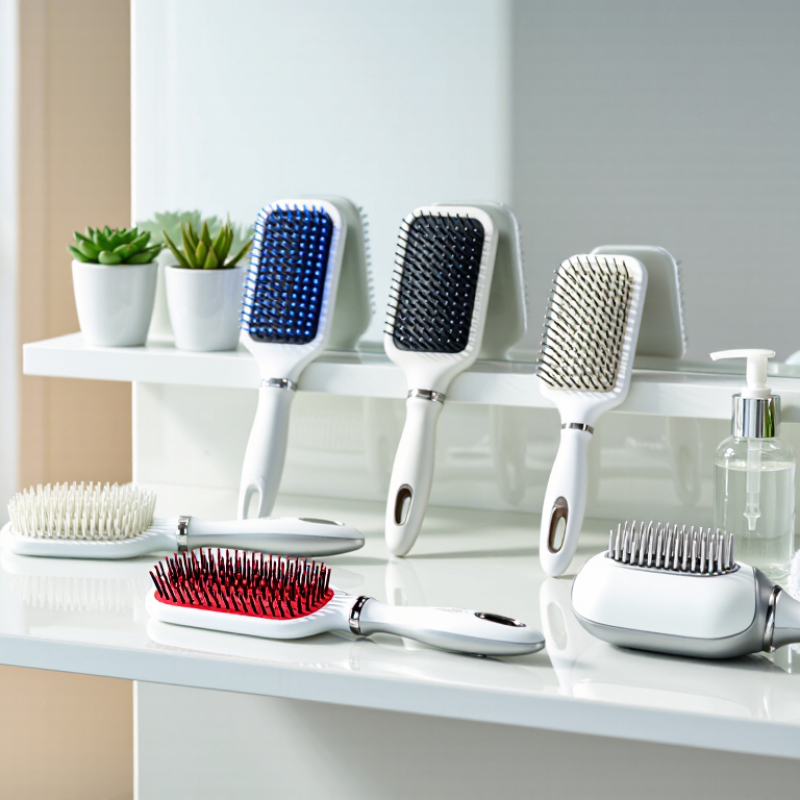
A hair growth comb is a handheld device designed to stimulate the scalp while combing the hair. Most models use low-level red light, laser light, vibration, or a combination of these features. The light may reach the scalp and support cellular activity around weakened follicles. Gentle movement can also loosen flakes and spread natural oils. It should not pull tightly or scratch the skin.
The proposed mechanism is simple, but the results are not equally strong for everyone. Low-level light therapy may help some people with pattern hair thinning when used consistently. It cannot create new follicles or reverse every type of hair loss. A comb usually requires several short sessions each week. Clean, dry hair makes the process easier. Patience matters. Visible change can take months.
When comparing a hair growth comb from China, check its wavelength, light output, timer, electrical safety information, and user instructions. Clear specifications are more useful than dramatic promises. A device with missing testing details deserves caution. In my view, scalp comfort is also important; excessive heat or sharp teeth can discourage regular use. The evidence remains uneven, and I would not treat every glowing claim as medical guidance. Sudden shedding, bald patches, pain, or itching should be assessed by a qualified dermatologist before using any growth device.
What Is the Best Hair Grow Comb from China?
The best hair growth comb from China should combine safe light therapy, gentle teeth, and clear testing records. A practical comb should feel balanced in one hand. Its teeth should glide without scratching the scalp. Rounded tips matter, especially for sensitive skin. Adjustable vibration can improve comfort, but stronger movement is not automatically better.
Low-level light is another key feature. A randomized, double-blind study published in Lasers in Surgery and Medicine reported increased terminal hair density after 26 weeks of low-level laser treatment. However, results varied among participants. The American Academy of Dermatology warns that hair loss may involve genetics, hormones, illness, or medication. A comb cannot identify the cause. Look for wavelength details, treatment duration, and measured light output. Vague “natural growth” claims deserve caution.
Reliable Chinese manufacturers should provide electrical safety reports, battery testing, and photobiological safety documentation. IEC 62471 testing can help evaluate light exposure risks. A useful design may include a timer, automatic shutoff, washable comb teeth, and a visible charging indicator. In real use, five minutes with tangled hair is frustrating. I would also check whether the device heats during a full session. Independent test results are stronger than factory promises. Some product pages still present impressive numbers without explaining sample size, controls, or follow-up periods. That gap needs reflection.
What Is the Best Hair Grow Comb from China?
Top Chinese Hair Growth Comb Types and Their Uses
Chinese-made hair growth combs usually fall into four practical categories. Wide-tooth wooden combs reduce pulling and suit thick, tangled hair. Silicone scalp brushes loosen oil and flakes during shampooing. Fine-tooth anti-static combs help distribute sebum across straight hair. Results vary.
Some suppliers also offer LED, low-level laser, or microcurrent combs. These devices aim to stimulate the scalp, but they are not interchangeable. A 2023 review in Dermatologic Surgery found that low-level light therapy may support hair density for some pattern-loss patients. Evidence remains limited for ordinary massage combs. A comb cannot correct iron deficiency, thyroid disease, or scarring alopecia.
Market data explains the strong interest. Grand View Research forecasts the global hair-care market to grow at roughly 4% annually through 2030. That figure reflects consumer spending, not proven regrowth. The American Academy of Dermatology recommends identifying the cause of shedding before choosing treatment. This is often overlooked.
In practical use, select rounded teeth and flexible tips. They should glide over the scalp without scraping. Use a silicone brush for one or two minutes, not aggressive pressure. For light-based combs, follow the device instructions and avoid unverified medical promises. I would not call one type universally best. A wooden comb may protect fragile strands, while a regulated light device may suit diagnosed pattern loss. That distinction matters.
What Is the Best Hair Grow Comb from China?
A safe hair growth comb should be judged by evidence, not glowing product claims. The American Academy of Dermatology reports that losing 50 to 100 hairs daily can be normal. Therefore, a comb cannot promise instant regrowth. Check whether its light wavelength, power output, and treatment schedule are clearly stated. Vague specifications deserve caution.
Look for independent laboratory reports covering electrical safety, skin-contact materials, battery performance, and photobiological risks. ISO 10993 testing can support material safety, while IEC 62471 testing evaluates light exposure risks. A regulatory clearance is useful, but it does not prove guaranteed hair growth. The FDA explains that clearance generally shows substantial equivalence to an existing device. It is not the same as guaranteed clinical success.
Use matters in real life. The teeth should glide without pulling fragile strands or scraping the scalp. Light contact should feel warm, never painful. I would also check warranty terms, charging protection, cleaning instructions, and the seller’s clinical documentation. A 2023 Cochrane review found limited or low-certainty evidence for several hair-loss treatments, so expectations should stay modest. That point is easy to overlook. Take monthly scalp photos under the same light, and stop if redness, burning, or unusual shedding appears. A dermatologist should assess sudden loss, patchy baldness, or scalp scaling, because a comb may hide the real problem.
| Evaluation Dimension | Recommended Specification | Why It Matters | Safety and Quality Check |
|---|---|---|---|
| Primary Technology | Low-level light therapy, gentle scalp massage, or a combination of both | These functions are designed to support scalp care without pulling or damaging the hair shaft. | The product should clearly identify its operating mode, treatment time, and user instructions. Avoid unsupported claims of guaranteed regrowth. |
| Light Source | Red light commonly falls within approximately 630–660 nm; some devices also use near-infrared light around 810–850 nm. | A stated wavelength allows buyers to compare products and distinguish light therapy from ordinary decorative LEDs. | The manufacturer should provide wavelength information, optical safety guidance, and warnings for photosensitivity or light-sensitive medication. |
| Light Output Information | Irradiance should be stated in mW/cm², with a clearly defined treatment duration. | Wavelength alone does not show how much light reaches the scalp. Output and exposure time are needed to assess the treatment protocol. | Be cautious when a product gives no output data, no treatment schedule, or only uses vague terms such as “high power.” |
| Comb Teeth | Rounded, smooth, flexible teeth with sufficient spacing for the user’s hair density. | Smooth teeth can reduce snagging, scratching, and unnecessary mechanical stress during use. | Inspect the teeth for sharp edges, seams, loose parts, and difficult-to-clean gaps before purchase. |
| Scalp Contact Material | Smooth, skin-contact materials such as well-finished silicone or medical-use-grade polymer, when properly documented. | The material affects comfort, cleaning, durability, and the likelihood of irritation. | Look for material specifications, odor-free construction, and a surface that can be cleaned without trapping residue. |
| Massage Intensity | Low to moderate intensity with more than one setting or a gentle default mode. | Stronger stimulation is not automatically more effective and may increase discomfort or scalp irritation. | Stop using the comb if it causes pain, persistent redness, burning, or increased shedding. |
| Treatment Schedule | A clearly stated, repeatable schedule based on the device design; many light-therapy protocols use several sessions per week rather than continuous use. | Consistent use is more practical than excessively long or frequent sessions. | The instructions should specify session length, weekly frequency, cleaning, charging, and maximum continuous operating time. |
| Hair and Scalp Compatibility | Adjustable spacing and a design that can reach the scalp through the user’s hair density. | A comb that cannot make consistent scalp contact may provide uneven treatment. | Check whether the comb is suitable for straight, curly, thick, fine, short, or long hair before ordering. |
| Power and Charging | Protected rechargeable battery, stable charging, automatic shut-off, and a visible low-battery indicator. | These features improve consistency and reduce the risk of excessive exposure or overheating. | Check charger compatibility, battery instructions, water-resistance limits, and whether the device becomes unusually hot. |
| Cleaning and Hygiene | Removable or easily accessible contact surfaces that can be wiped with a suitable mild disinfecting solution. | Hair oil, sweat, and styling products can accumulate on scalp-contact surfaces. | Do not immerse an electronic comb unless the instructions specifically permit it. Clean and dry the device before storage. |
| Evidence and Claims | Clear technical specifications, realistic claims, and user instructions that distinguish cosmetic scalp care from medical treatment. | Hair loss has many possible causes, and one device cannot be expected to work equally for every condition. | Avoid claims such as “permanent regrowth,” “works for everyone,” or “no side effects.” Consult a qualified healthcare professional for sudden or significant hair loss. |
| Best Overall Selection Profile | A comb with documented light specifications, smooth teeth, adjustable gentle settings, automatic shut-off, easy cleaning, and complete safety instructions. | This combination balances usability, scalp comfort, product transparency, and safe routine use. | Select the model with the clearest documentation and the best fit for the user’s scalp condition and hair type, rather than choosing solely by price or power claims. |
Note: Hair growth combs are not a guaranteed treatment for hair loss. Users with scalp disease, unexplained shedding, open wounds, or light sensitivity should seek professional medical advice before use.
What Is the Best Hair Grow Comb from China?
A reliable hair growth comb should be judged by safety, design, and honest evidence. Hair growth claims can sound impressive, but results vary widely. The American Academy of Dermatology reports that losing 50 to 100 hairs daily can be normal. Therefore, a comb cannot diagnose hair loss or replace professional care. Choose rounded teeth, adjustable settings, and clear instructions. Avoid products with vague specifications or exaggerated promises.
Use the comb on clean, dry hair unless the manual states otherwise. Start with the lowest setting and move slowly from the hairline toward the crown. Do not press hard. Gentle contact is enough. Never use it over wounds, irritated skin, or active scalp infections. If the device uses light or heat, stop when you feel burning, dizziness, or unusual itching. The FDA explains that device clearance does not automatically prove strong treatment results. That detail is easy to overlook.
Tips: Clean the teeth after every use with a soft, slightly damp cloth. Keep water away from charging ports. Do not share the comb, even with family members. Store it in a dry pouch, not beside a steamy shower. Check the cable and teeth weekly. A small mistake matters. Pressing harder feels productive, but it may increase irritation instead. Track shedding with monthly photos under the same lighting. Review the routine after eight to twelve weeks, and seek a dermatologist’s opinion if sudden shedding continues.
Hair-cycle context for proper use and maintenance
Hair normally grows in cycles: the anagen phase commonly lasts about 24–84 months, catagen about 0.1–0.2 months, and telogen about 2–4 months. A hair-growth comb cannot change these biological phases, but a clean, smooth-toothed comb may help distribute scalp oils and provide gentle massage. Use it on a clean scalp with light pressure for a few minutes, avoid pulling or scraping, and clean the comb regularly with mild soap and water. Dry it completely before storage and replace it if the teeth become rough or damaged.
Look for rounded teeth, gentle movement, clear light specifications, and independent safety records. It should feel balanced in one hand. Avoid vague growth promises.
A wide-tooth wooden comb can reduce pulling on thick, tangled hair. Flexible, rounded teeth are preferable. Hair may still break if you force the comb.
Silicone brushes can loosen oil and flakes during shampooing. Use light pressure for one or two minutes. Scrubbing harder is not automatically better.
No. Low-level light therapy may support density for some pattern-loss patients. Results vary. Evidence is still limited.
Ask for electrical safety reports, battery testing, and photobiological safety records. Light exposure testing can help assess risk. Factory claims alone are weaker.
A timer, automatic shutoff, washable teeth, and a visible charging indicator add practical value. Check whether the comb heats during a full session.
No. Hair loss may involve genetics, hormones, illness, medication, or nutritional problems. A comb cannot diagnose the cause.
Check the wavelength, treatment duration, light output, sample size, controls, and follow-up period. Large numbers can sound convincing. Missing details deserve reflection.
A hair grow comb is a personal-care device designed to support scalp care and encourage healthier-looking hair through gentle combing, massage, light therapy, or other non-invasive functions. The best hair growth combs from China may include features such as adjustable settings, comfortable teeth, ergonomic handles, rechargeable power, easy cleaning, and safety protections. Different types serve different needs: massage combs can help improve comfort and scalp stimulation, while light-based or vibrating models may offer additional care options when used correctly.
When choosing a hair grow comb, consider its materials, operating instructions, user comfort, durability, and suitability for your scalp condition. Use it gently on a clean scalp, avoid excessive pressure or prolonged sessions, and follow the manufacturer’s guidance. Regularly remove loose hair, clean the comb carefully, keep electronic parts dry, and store it safely. Consistent use and good hair-care habits are important, while professional advice may be helpful if hair loss is sudden, severe, or persistent.
